Your Guide to Starting a Print-on-Demand Business

Quick answer: You can start a print-on-demand business in 2026 with little or no inventory investment, but the storefront, marketplace, samples, design tools, and customer-acquisition costs still need to be budgeted. A practical POD business usually starts by choosing one audience, testing a small product set, connecting a fulfillment partner, and pricing each SKU from its full landed cost rather than from the product base price alone.
What changed in 2026?
Etsy economics: the core Etsy listing fee remains $0.20 and the transaction fee remains 6.5%, while payment-processing fees still vary by seller country. In June 2026, Etsy changed Regulatory Operating Fees in several markets, so sellers outside the US should check the fee schedule for their bank country before setting margins.
Printful + Printify: the two platforms merged in late 2024 and their unified parent organization revealed the FYUL brand in January 2026. Printful and Printify continue to operate as separate seller-facing platforms, so this guide compares their current workflows separately.
Storefront costs: Shopify currently offers a 3-day free trial followed by promotional pricing that can be as low as $1/month for three months, depending on eligibility and location. Standard Shopify Basic pricing is currently $39/month when billed monthly or $29/month when billed yearly in the US.
How much does it cost to start a print-on-demand business in 2026?
The lowest-cost path can be close to zero on the fulfillment side because a POD provider charges only after an order is placed. The real startup budget depends on where you sell. Etsy has no required monthly marketplace subscription, but it charges listing and transaction fees. Shopify has a recurring plan cost once the trial period ends. A standalone WooCommerce-style store can avoid marketplace commissions, but hosting, payment processing, security, and maintenance become the seller’s responsibility.
| Platform | Monthly / platform cost | Selling fees | POD integration |
|---|---|---|---|
| Etsy | $0 required monthly subscription; a one-time shop setup fee may apply | $0.20 per listing + 6.5% transaction fee; payment processing varies by country | Native apps, production partners, middleware, or API |
| Shopify trial / promo | 3 days free; eligible offers may be $1/month for 3 months | Payment-processing rates depend on setup; third-party provider fees may apply | Shopify apps, middleware, or API |
| Shopify Basic | $39/month billed monthly or $29/month on annual billing in the US | Shopify Payments starts at 2.9% + $0.30 online in the US; other fees can apply | Native POD apps, middleware, or API |
| Standalone / WooCommerce | Hosting, domain, extensions, and maintenance vary | No marketplace fee; payment-processor fees still apply | WooCommerce plugin, middleware, or API |
Costs checked August 11, 2026. Shopify trials and promotional pricing can vary by account and location. Etsy payment-processing and regulatory fees vary by seller country.
For the POD layer itself, merchOne can be joined without buying inventory upfront. You pay for products as they are fulfilled. That keeps product inventory out of the startup budget, but it does not make the entire business free: samples, storefront fees, design work, paid apps, marketing, refunds, and replacement allowances still belong in the model.
What is print on demand?
Print on demand is a fulfillment model in which a product is produced only after a customer places an order. The seller creates or licenses the design, publishes the product through a store or marketplace, sets the retail price, and owns the customer-facing brand. The fulfillment provider receives the order, prints or manufactures the customized item, packages it, and ships it to the buyer.
The important distinction is that POD removes the need to buy finished inventory in advance; it does not remove the need to run a real retail business. You still need products that fit a specific audience, accurate listings, reliable customer service, realistic delivery promises, and enough margin to pay for platform fees and acquisition.
The benefits and limitations of starting a POD business
Benefits
- No inventory commitment: you can test a product without ordering hundreds of units first.
- Lower operational overhead: production, packing, and carrier handoff are handled by the fulfillment provider.
- Faster product testing: new designs can be added or removed without liquidating unsold stock.
- Multi-channel potential: one fulfillment stack can support Shopify, Etsy, WooCommerce, marketplaces, or custom API workflows depending on the provider.
- Category expansion: once a niche works, sellers can add wall art, apparel, mugs, gifts, or home décor without building a separate production operation for every category.
Limitations
- Unit cost is higher than high-volume bulk manufacturing: POD trades inventory efficiency for flexibility.
- Shipping is part of the product economics: a low base price can become uncompetitive if the item is produced far from the buyer.
- Quality must be validated by SKU: sample the exact product, size, print method, and destination region that you plan to sell.
- You depend on provider operations: production times, carrier performance, stock components, and platform integrations can affect the buyer experience.
- Marketing is still the seller’s job: POD solves fulfillment, not demand generation.
How to start a print-on-demand business in 2026
Step 1: Choose a niche you can actually reach
A useful niche is not simply a topic you like. It is a group of buyers with recognizable language, problems, occasions, or identity signals that make product ideas easier to validate. “Pet owners” is broad. “Memorial gifts for dog owners,” “new-home gifts for cat owners,” or “breed-specific wall art” gives you a clearer reason to create, position, and advertise a product.
Start with a niche you understand or can research directly. Check the products people already buy, the occasions that trigger purchases, the price range that feels normal, and the visual conventions buyers expect. Then look for an angle that is specific enough to differentiate the catalog without depending on copyrighted characters, logos, celebrity likenesses, or other protected intellectual property.
Practitioner check: before designing 50 products, write down five buyer situations. For example: birthday gift, memorial gift, wedding gift, first-home décor, or hobby identity. If you cannot describe when and why someone would buy the product, the niche is still too abstract.
Step 2: Start with three to five products, not an entire catalog
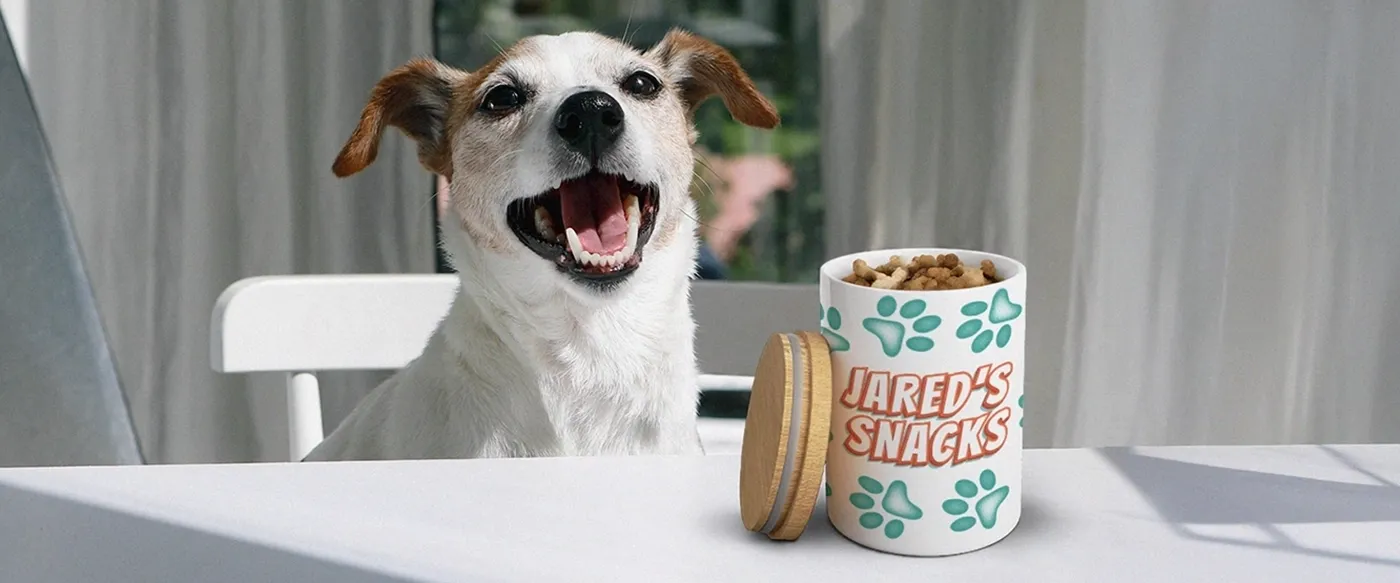
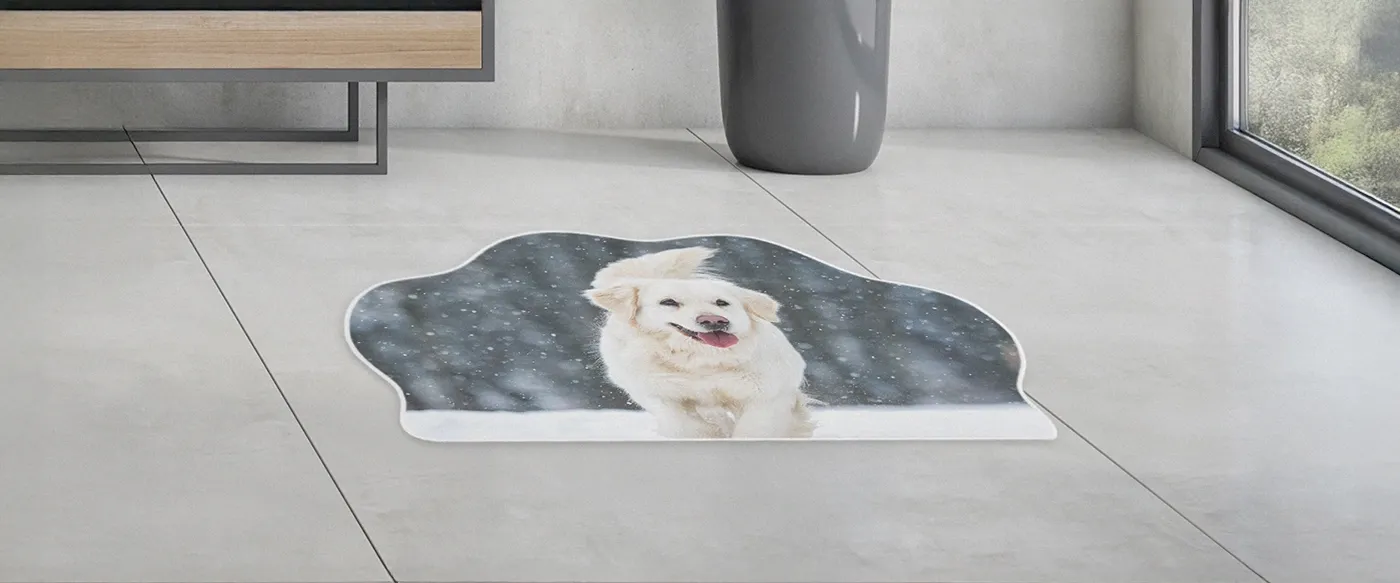
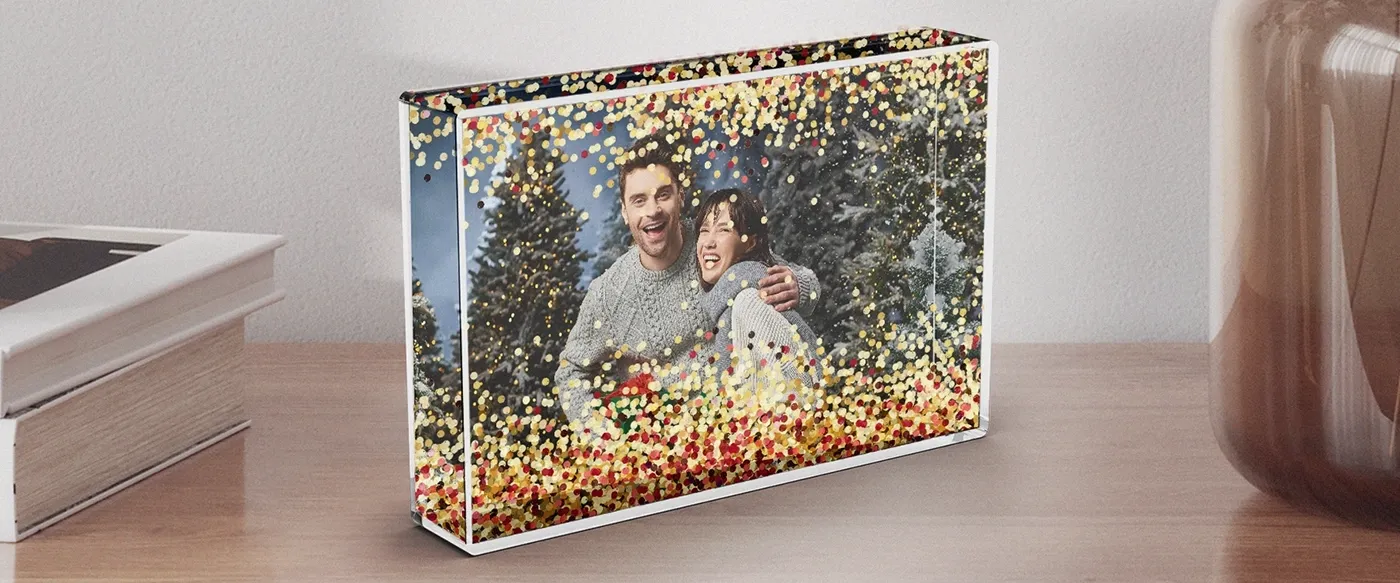
The fastest way to make a new POD store hard to manage is to launch too many products, colors, sizes, and suppliers at once. Begin with three to five products that test different buyer behaviors. A wall-art seller might start with a poster, a canvas, and a framed format. A gift seller might test a mug, a small personalized item, and one premium product. An apparel seller might start with one T-shirt blank and one sweatshirt rather than every garment in the catalog.
For each product, define the target retail price before you design around it. A product that costs $12 to produce but can only support a $19 retail price gives you very little room for shipping, marketplace fees, marketing, and replacements. A product with a higher perceived value can support more contribution margin even when its production cost is higher.
Order samples before the listing becomes a bestseller. Check color, print placement, material, packaging, tracking, and delivery. For wall art, inspect corners, frame fit, hanging hardware, surface damage, and scale. For apparel, inspect the blank, sizing, print feel, placement, and wash behavior. Your listing promise should be based on the physical item, not only the mockup.
Step 3: Find a fulfillment partner
Do not choose a fulfillment partner from one headline number. Compare the provider against the products you plan to sell, the markets you need to reach, the integration workflow you want to maintain, and the service level you need during peak periods. A provider with a very large catalog may be useful for testing, while a provider with owned production and deeper specialization in a category may be a better operational fit once that category becomes important.
| Provider | Production target | Catalog | What to evaluate |
|---|---|---|---|
| merchOne | 2 business days for unframed canvas/posters; 3 days for other products. 95% SLA fidelity target, subject to exceptions. | Wall art, home décor, apparel, pet, and seasonal products | Owned US/EU production, wall art depth, quality processes, and documented SLAs |
| Printful | Average fulfillment: 2–5 business days; more than 97% of orders ship within 5 business days | 529+ customizable products | Apparel, branded merchandise, accessories, and direct integrations |
| Printify | Varies by provider and technique; 2026 SLA windows range from 3 to 5 business days for major print methods | 1,300+ products across multiple print providers | Broad testing, supplier comparison, and provider choice |
These models are different rather than universally better or worse. merchOne is a strong fit when wall art, home décor, production control, US/EU fulfillment, quality processes, and defined production SLAs are important. Printful provides a larger generalist catalog and a mature direct-integration workflow. Printify provides the broadest catalog of the three and lets sellers select from a network of print providers, which creates more supplier choice but also makes SKU-level sampling important.
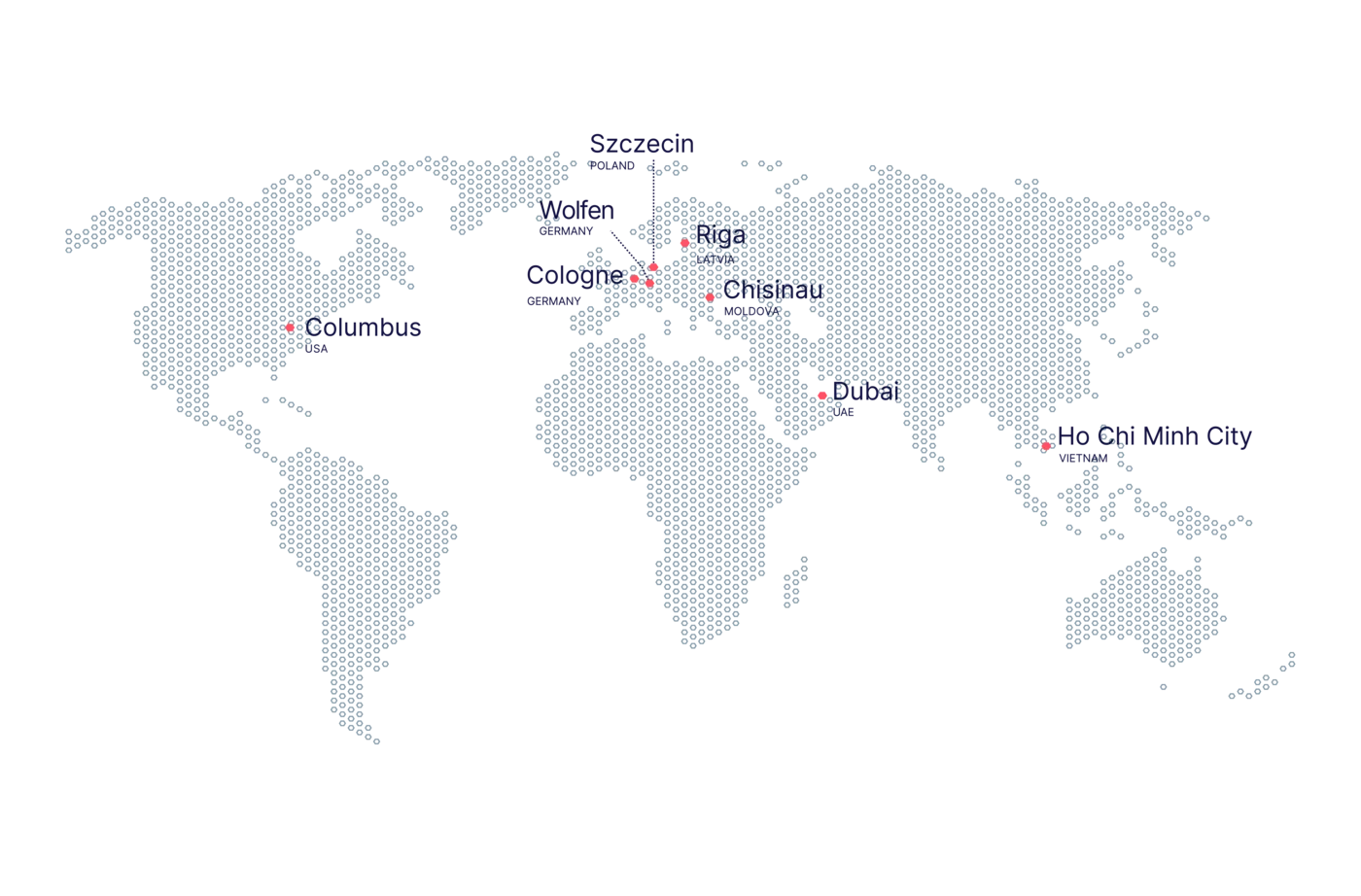
merchOne operates 30,000 m² of production space across the US and Europe and reports capacity of up to 2.5 million products per day. Those numbers describe production infrastructure, not a guarantee for an individual order. For sellers, the more useful operational check is the current SLA documentation, sample performance, shipping route, and how the exact product performs during the seller’s own test period.
If Etsy is your first channel, compare providers using the dedicated Etsy print-on-demand companies guide. If you want a broader supplier shortlist across business models, use the best print-on-demand companies comparison.
Step 4: Choose where you will sell
The best starting channel depends on whether you need built-in marketplace demand or control over the storefront. Etsy gives sellers access to marketplace search and buyer intent, but every listing and sale comes with marketplace rules and fees. Shopify gives the seller more control over the storefront and customer journey, but the seller is responsible for generating traffic. A standalone WordPress/WooCommerce-style store gives even more control, but it also creates more technical responsibility.
Do not launch on three platforms because diversification sounds safer. Start where your target buyer already shops and where your fulfillment workflow is easiest to validate. Once the product, pricing, and operations work on one channel, add another channel with a clear reason: lower acquisition cost, a new geography, stronger repeat purchase, or reduced marketplace dependence.
Step 5: Price from the full cost, not the base cost
A 2026 POD price needs to cover more than printing. Use this formula as a starting point: retail price − product cost − shipping subsidy − platform fees − payment processing − advertising − expected replacement/refund allowance = contribution profit. Then divide the contribution profit by the retail price to calculate the margin that is actually available to pay for the rest of the business.
Current 2026 guidance from Shopify places mid-market POD gross-margin planning around 35%–50%, while Printful reports that many POD sellers target roughly 20%–40% profit margins and that premium or personalized products can exceed that range. Treat those as planning benchmarks, not guarantees. Your net margin can be much lower after paid acquisition, discounts, taxes, software, returns, and support.
Which POD products have the best margins in 2026?
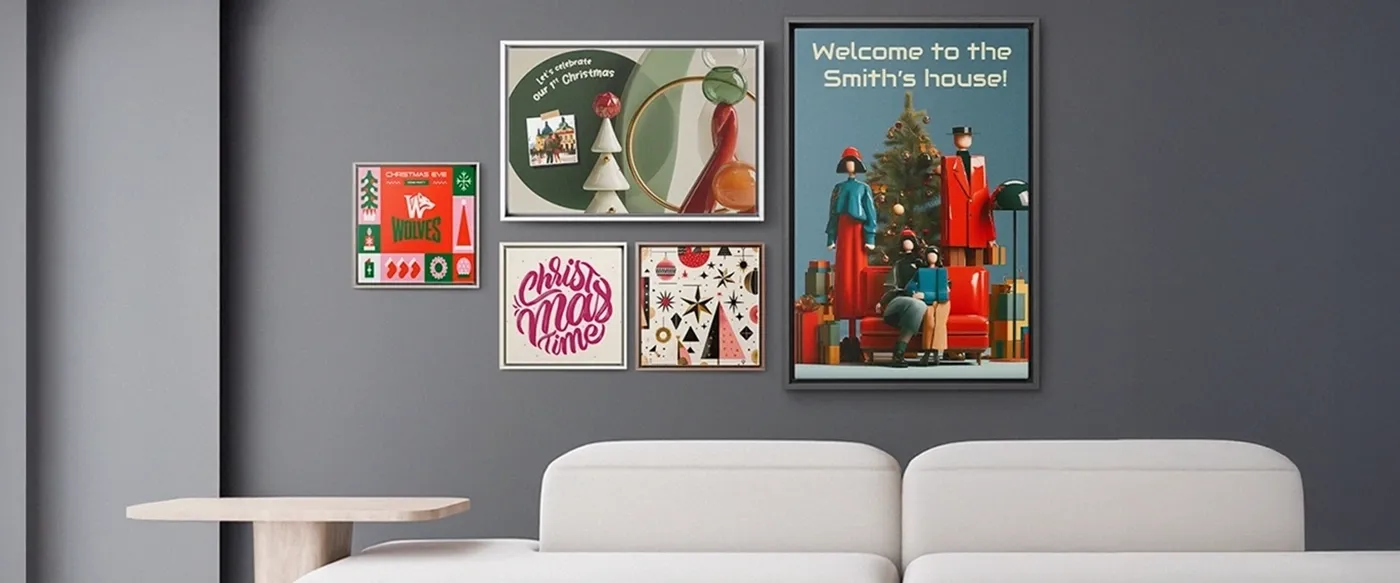
Wall art can create more pricing headroom than basic apparel because the perceived value is often tied to size, personalization, framing, and the role the product plays in a room or as a gift. Apparel can still be profitable, but the base garment, decoration method, size/color variants, and competitive retail pricing usually create a tighter range.
| merchOne product example | Current base price from | Illustrative retail price | Product-level gross margin before shipping/fees |
|---|---|---|---|
| Canvas (2 cm) | €4.33 | €29.99 | €25.66 gross spread; about 85.6% |
| Framed Canvas | €11.78 | €49.99 | €38.21 gross spread; about 76.4% |
| Bella + Canvas 3001 T-shirt | €12.21 | €29.99 | €17.78 gross spread; about 59.3% |
| Gildan 5000 T-shirt | €7.85 | €24.99 | €17.14 gross spread; about 68.6% |
The retail prices above are illustrative examples, not merchOne recommended retail prices or market averages. The calculation compares retail price with published base product cost only. Shipping, platform fees, payment processing, VAT/sales tax where applicable, advertising, discounts, samples, and replacements are not included.
The table shows why “best margin” is not the same as “lowest base cost.” A framed canvas costs more to produce than a T-shirt, but a personalized or premium wall-art listing may support a higher retail price. The business question is how much contribution margin remains after all costs at the price your target buyer will actually pay.
Step 6: Build listings from the sample, not only from mockups
Mockups are useful for testing concepts, but they can hide scale, texture, garment fit, frame depth, and packaging. Once you approve a sample, use it to tighten the listing. Add accurate dimensions, describe the material only from current product specifications, show close-up details, explain personalization inputs clearly, and set delivery expectations from the provider’s current production and shipping information.
For Etsy, make sure the production partner is disclosed correctly on applicable listings. For Shopify or a standalone store, make shipping, returns, personalization, and contact information easy to find before checkout. Those details are part of conversion because they remove the questions that otherwise become support tickets or abandoned carts.
Step 7: Launch small and track the economics by SKU
A starter POD business does not need hundreds of orders to learn something useful. Track the first 20–50 orders carefully. Record product cost, shipping, marketplace or payment fees, discount, ad spend attributed to the sale, replacement cost, and support issues. If one product has strong conversion but weak margin, change the price, bundle, size mix, or acquisition channel before adding more designs.
Track operational data as well as revenue. Production time, delivery time, damage, out-of-stock components, personalization mistakes, and customer questions can reveal whether a product is scalable. A bestseller that creates frequent replacements or support tickets may be less valuable than a slightly slower-selling product with reliable fulfillment and stronger contribution margin.
A realistic 2026 starter budget
There is no single amount required to start POD, but three budget levels are useful for planning. A $0–$100 validation path uses free design tools, a marketplace or trial storefront, and a small number of samples. A $300–$750 branded launch adds a paid storefront, multiple samples, a domain, better creative assets, and a modest test budget for traffic. A $1,000+ launch can support professional design, photography, paid acquisition, personalization software, and more aggressive product testing.
The budget should follow evidence. Do not spend $1,000 on ads because a POD business “should” have a launch budget. Spend after you have a product page that converts, a fulfillment workflow that has passed sample testing, and a margin that can absorb the acquisition cost. Inventory-free does not mean risk-free; it means you can move investment from stock into validation.
Frequently asked questions about starting a POD business in 2026
What does it cost to start a POD business in 2026?
$0–$100 is enough for a lean validation path if you use free tools, avoid inventory, and keep samples limited. Etsy charges $0.20 per listing plus a 6.5% transaction fee, with payment processing varying by country; Shopify currently offers a short free trial and promotional pricing before the standard Basic plan, while merchOne does not require an upfront inventory purchase.
What profit margin should a POD business target in 2026?
20%–40% is a common POD profit-margin benchmark, while 35%–50% is a useful mid-market gross-margin planning range in current 2026 guidance from Printful and Shopify. Use those ranges only as a starting point: your net margin after advertising, software, refunds, discounts, and tax can be materially lower.
Which POD products have the best margins?
About 50%–65% gross margin is a current benchmark for posters and wall art, compared with roughly 45%–55% for T-shirts in Printful’s 2026 category estimates. merchOne’s published EU base prices also show why wall art can create more pricing headroom: Canvas (2 cm) starts at €4.33, Framed Canvas at €11.78, Bella + Canvas 3001 at €12.21, and Gildan 5000 at €7.85 before shipping and selling fees.
Is print on demand still profitable in 2026?
20%–40% is the typical profit-margin range cited by Printful for POD sellers in 2026, with premium, personalized, or niche products sometimes reaching 50% or more. Profitability depends on the full unit economics: production, shipping, platform fees, payment processing, discounts, acquisition cost, refunds, and support.
How many products should I launch with?
Three to five products is a practical first test for most new POD stores. It is enough to compare buyer response and fulfillment behavior without creating unnecessary variant, pricing, mockup, and support complexity.
How long does POD fulfillment take?
About 2–5 business days is a common production range, but it depends on provider, product, technique, and season. merchOne documents 2-business-day targets for unframed canvas and posters and 3 business days for other products, while Printful reports an average 2–5 business days; shipping time is additional.
Do I need to create every POD design myself?
$0 in design labor is possible if you create the work yourself, but outsourcing changes the startup budget. You can hire a designer or license commercial assets, but you must have the rights needed to print and sell every element used in the final product.
Should I start on Etsy or Shopify?
$0 monthly subscription versus $39/month is the simplest cost comparison: Etsy does not require a monthly marketplace subscription, while Shopify Basic is currently $39/month billed monthly in the US after trial/promotional periods. Etsy charges listing and marketplace transaction fees; Shopify gives more storefront control but requires the seller to generate more of the traffic.
Start with a product you can validate
The strongest POD launch is usually smaller than first-time sellers expect. Pick one audience, three to five products, one primary sales channel, and one fulfillment workflow. Order samples, build the listing from the physical product, calculate margin from the full fee stack, and test demand before expanding the catalog.
For sellers building around wall art, framed prints, home décor, mugs, apparel, pet products, and personalized gifts, merchOne combines owned US/EU production with documented production SLAs and a catalog designed for multi-channel fulfillment. Review the current merchOne product catalog, integration options, and shipping information before choosing the first SKUs to test.
Sources and review date
Reviewed August 11, 2026. Current pricing and policy facts were checked against Etsy, Shopify, merchOne, Printful, Printify, and FYUL official sources. Platform fees, free-trial offers, catalog counts, product prices, and production targets can change; verify current terms before publishing final pricing or making a business decision.
Disclaimer: This article is provided for general informational purposes only. Information concerning markets, products, services, prices, features, policies, availability and third-party providers reflects information available as of the date stated and may change over time.Readers should verify current information with the relevant provider, platform or other authoritative source before making business or purchasing decisions. References to profitability, demand, margins, sales potential or business performance are illustrative only and do not guarantee any particular result.
Partner up with merchOne and start selling high-quality custom prints