Horizontal purple gradient banner transitioning from blue-purple to pink-purple, used as a background Horizontal purple gradient banner transitioning from blue-purple to pink-purple, used as a background
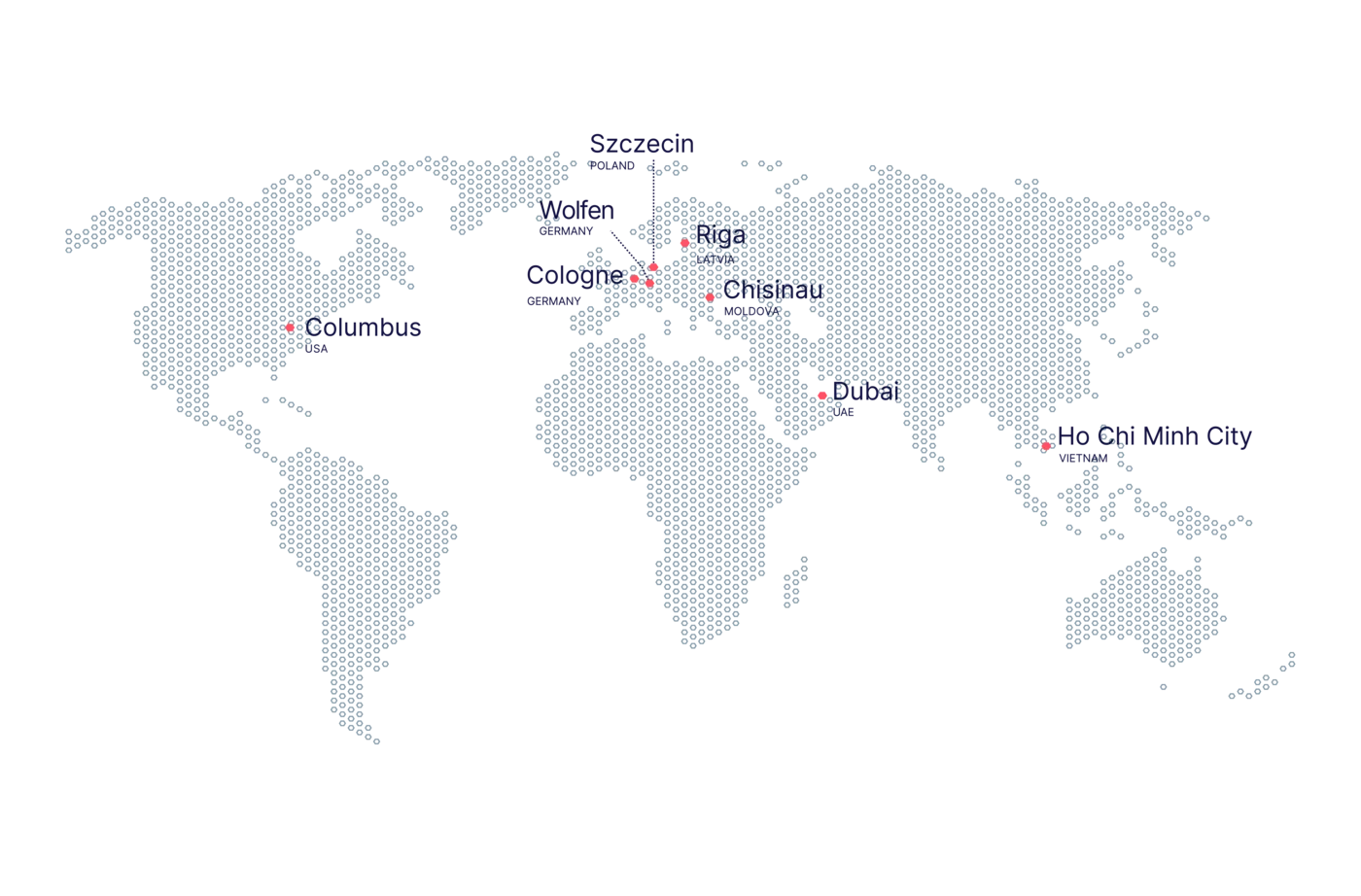
Local Production Sites in the USA & EU!
No customs fees and delays - just fast and effective fulfilment to scale!


More than 500,000 premium products manufactured daily for commercial and private customers.

Explore
FEATURE
Back to All Posts
Print-on-Demand 101

The Complete Guide to Large Format Printing in 2026

When a standard printer simply will not do the job, large format printing steps in.

From floor-to-ceiling retail displays and trade show backdrops to vehicle wraps and architectural wall coverings, large format printing produces visuals at a scale that stops people in their tracks — in a way that digital screens and standard print simply cannot replicate.

The large format printing market stood at $12.68 billion in 2025 and is forecast to reach $16.02 billion by 2030 — driven by rising demand across advertising, retail, interior décor, textiles, and events. For businesses looking to make a lasting visual impact in physical spaces, this is one of the most powerful tools available.

This guide covers what large format printing is, how the process works, the six main types, common applications, and what the technology means for wall art, custom décor, and print-on-demand sellers in 2026.

Large Format Printing • merchOne

Quick Answer: What Is Large Format Printing?

Large format printing is a digital print process used to create oversized graphics, signage, wall art, banners, vehicle wraps, trade show displays, and interior décor on materials such as canvas, vinyl, fabric, acrylic, metal, foam board, and wood. It usually starts at widths above 18 inches and is designed for visuals that need to be seen from a distance, displayed in physical spaces, or produced on materials standard printers cannot handle.

Key Takeaways

  • Large format printing is used for oversized visual products such as signage, banners, wall art, trade show displays, vehicle wraps, retail graphics, and custom décor.
  • The main advantage is scale: businesses can print on large rigid or flexible materials that standard printers cannot process.
  • The six major types are UV-cured printing, latex printing, dye-sublimation printing, solvent printing, aqueous inkjet printing, and pen plotting.
  • Substrate choice matters as much as ink type. Canvas, vinyl, fabric, acrylic, aluminum, wood, and foam board each fit different applications.
  • For POD sellers, large format printing is the production foundation behind premium wall art, framed canvas, framed posters, acrylic prints, metal prints, and personalized home décor.
  • The 2026 trend is toward sustainable inks, low-VOC production, personalization at scale, AI-assisted workflow automation, and digital-to-physical experiences through QR, NFC, and AR.

Quick Comparison: Large Format Printing Types

TypeBest forMain advantage
UV-cured printingRigid signage, acrylic, wood, aluminum, outdoor displaysInstant curing, sharp detail, high durability
Latex printingIndoor graphics, vinyl, wallcoverings, flexible materialsWater-based, low odor, versatile
Dye-sublimation printingFabric displays, textiles, soft signage, apparelSoft finish, wash resistance, no cracking
Solvent printingVehicle wraps, outdoor banners, weather-exposed signageStrong outdoor durability
Aqueous inkjet printingFine art, photography, gallery prints, indoor display graphicsHigh color accuracy and detail
Pen plottingBlueprints, maps, technical drawingsPrecise line work

What Is Large Format Printing?

Large format printing — also called wide format printing — refers to any print process that produces output beyond the dimensions handled by standard commercial printers. While definitions vary slightly by industry, most large format printing begins at print widths of 18 inches and extends to several meters wide.

The core technology is digital: designs are created on a computer, processed through raster image processing software (RIP), and output through high-capacity inkjet printers that spray ink directly onto the substrate. Unlike traditional offset printing, large format printing requires no printing plates — which means shorter setup time, lower minimum orders, and the ability to produce one-off prints without the economic overhead of a mass-production run.

The substrates are where large format printing differs most visibly from standard printing. While desktop and commercial printers work primarily with paper and card, large format presses handle rigid and flexible materials including vinyl, canvas, fabric, aluminum, foam board, acrylic, wood, and PVC. This versatility is what enables the technology to serve everything from outdoor billboards to interior wallcoverings to custom trade show graphics.

How Large Format Printing Works

The large format printing process follows a consistent logic regardless of ink type or substrate:

Step 1: File preparation. The design is created or adapted in professional design software — typically Adobe Illustrator, Photoshop, or InDesign — and output at the dimensions required for the final print. Resolution requirements differ from standard printing: because large format prints are often viewed at distance, effective resolution at print size matters more than raw DPI.

Step 2: RIP processing. The file passes through raster image processing software, which converts the design into the precise instructions the printer needs — ink volumes, color profiles, substrate profiles, and print paths. Advanced RIP systems in 2026 increasingly use AI to optimize ink usage, reduce waste, and predict hardware maintenance needs before failures occur.

Step 3: Substrate selection and loading. The print material is selected based on the application — outdoor vs. indoor, rigid vs. flexible, short-term vs. long-term display — and loaded into the printer. Different substrates require different ink types and curing methods, which is why ink chemistry and substrate compatibility are closely matched before printing begins.

Step 4: Printing. The printer head moves across the substrate, depositing ink in precise patterns dictated by the RIP-processed file. Depending on the ink type, the print may cure instantly (UV), dry by evaporation (solvent), or require post-press heat treatment (dye-sublimation).

Step 5: Finishing. After printing, the output may go through lamination (for scratch and UV protection), cutting, mounting, hemming (for banners and fabric), or installation preparation. Finishing quality significantly affects the longevity and appearance of the final product.

The 6 Main Types of Large Format Printing

Different ink technologies produce meaningfully different results in terms of durability, color quality, substrate compatibility, and environmental impact. Choosing the right type for a given application determines how well the print performs over time.

1. UV-Cured Printing

UV-cured printing uses ultraviolet light to cure ink instantly as it is deposited on the substrate — eliminating drying time entirely. The result is a durable, vibrant print with sharp detail that adheres to a wide range of surfaces including rigid materials like acrylic, wood, aluminum, and foam board.

UV printing is particularly well-suited for outdoor signage, point-of-sale displays, and any application where the print will be exposed to sunlight, moisture, or physical wear. The instant curing process also enables printing on non-porous surfaces that water-based inks cannot adhere to. As regulations around volatile organic compound (VOC) emissions tighten globally, UV-LED systems — which produce no VOC emissions and consume less energy — are becoming the dominant format in this category.

2. Latex Printing

Latex printing uses water-based inks that contain polymer latex particles. Heat is applied during printing to bind the latex particles to the substrate surface, producing a flexible, durable, and scratch-resistant print. The water-based chemistry means latex printing produces no harmful fumes and requires no special ventilation — a significant operational advantage for indoor environments.

Latex prints are suitable for both indoor and outdoor applications, handle flexible substrates like vinyl and fabric well, and are fully recyclable in many configurations. 85% of print service provider customers now prioritize environmentally responsible solutions — a demand that latex printing addresses more directly than solvent-based alternatives.

3. Dye-Sublimation Printing

Dye-sublimation printing transfers color into fabric using heat — the dye converts from solid to gas and bonds permanently with polyester fibers, becoming part of the material rather than sitting on top of it. The result is a soft, wash-resistant print with no risk of cracking or peeling.

This makes dye-sublimation the standard technology for fabric-based large format applications: trade show displays, event backdrops, flags, custom sportswear, and soft signage. Décor applications are expected to grow at the highest rate of any segment — 12.3% CAGR from 2025 to 2030 — and dye-sublimation is central to that growth through its use in custom wallcoverings, upholstery, and decorative textiles.

4. Solvent Printing

Solvent printing uses solvent-based inks that chemically penetrate and bond with the substrate surface — producing a durable, weather-resistant print that performs well in demanding outdoor environments. Solvent prints resist rain, UV exposure, and temperature fluctuation effectively, making them a long-standing choice for vehicle wraps, outdoor banners, and roadside signage.

The trade-off is environmental: traditional solvent inks release volatile organic compounds during the printing and drying process, requiring ventilation and creating regulatory compliance considerations. Eco-solvent and mild-solvent formulations have reduced these concerns significantly, offering much of the durability of solvent printing with a substantially lower environmental burden.

5. Aqueous Inkjet Printing

Aqueous inkjet printing uses water-based inks and is the most environmentally safe of all large format ink types — no fumes, no ventilation requirements, and no special handling precautions. It is also the technology that produces the finest color accuracy and photographic detail, making it the preferred method for fine art reproductions, photography prints, and high-quality display graphics destined for indoor environments.

The limitation is durability: without protective lamination, aqueous prints are susceptible to moisture and UV degradation. For indoor applications — gallery prints, retail POS, interior displays — lamination addresses this adequately. For outdoor use, aqueous printing is generally not appropriate without substantial protective coating.

6. Pen Plotting

Pen plotting uses computer-controlled mechanical pens to draw directly onto the substrate — producing precise line work that other printing methods cannot replicate with the same accuracy. This makes it the specialist choice for architectural drawings, engineering blueprints, technical schematics, and detailed maps where line precision matters more than color reproduction.

Pen plotting has given way to large format inkjet in most general applications, but remains in use in technical and engineering environments where its specific output characteristics are required.

Common Applications of Large Format Printing

The versatility of large format printing across industries is what drives its consistent market growth. Key applications include:

Outdoor advertising and signage. Billboards, building wraps, banner stands, and roadside displays. Weather-resistant inks and durable substrates make large format prints effective in environments that would destroy standard printed materials.

Retail environments. Window graphics, floor decals, point-of-sale displays, in-store signage, and branded environments. Large format printing transforms retail spaces into immersive brand experiences.

Trade shows and events. Backdrops, exhibition graphics, pop-up displays, and event banners. Fabric-based dye-sublimation prints have become the standard for professional trade show environments due to their lightweight, wrinkle-resistant, and reusable properties.

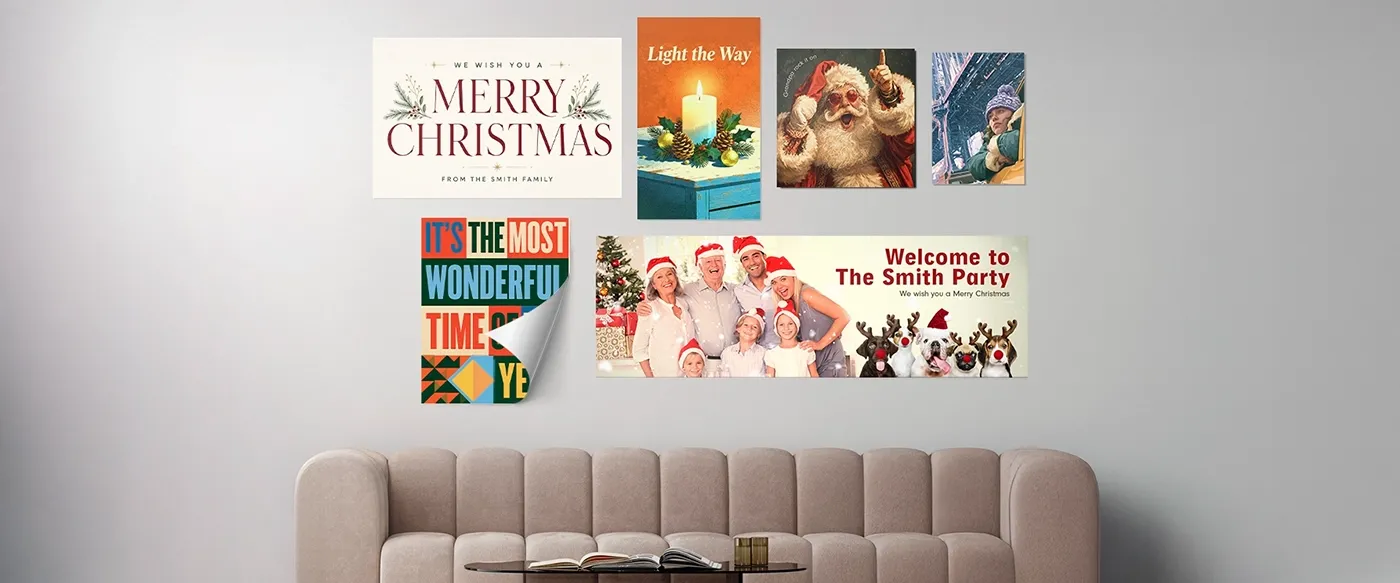
Interior décor and architecture. Custom wallcoverings, printed flooring, decorative panels, and acoustic wall art. Web-to-print workflows are pushing customized décor into mainstream retail, enabling one-off wallpaper rolls and canvas art to be produced profitably at individual scale.

Vehicle wraps. Partial or full vehicle graphics applied using vinyl prints. Vehicle wraps turn cars, vans, trucks, and fleet vehicles into moving advertising platforms.

Fine art and photography reproduction. Museum-quality prints, gallery canvases, and archival photography output. Aqueous inkjet printing on premium substrates produces results that are indistinguishable from traditional photography when viewed in context.

Textile and apparel. Custom sportswear, fashion prints, performance fabrics, and branded workwear. The growth of on-demand textile printing is one of the fastest-expanding applications of large format technology.

What Is Trending in Large Format Printing in 2026

The large format printing industry in 2026 is being shaped by three converging forces: sustainability requirements, digital integration, and personalization demand.

Sustainability as a standard, not an option. Recyclable substrates, low-VOC ink formulations, and energy-efficient UV-LED systems are no longer premium add-ons — they are baseline requirements in many markets. European regulations around green claims and recyclability thresholds are driving accelerated adoption of compliant systems across the supply chain.

Personalization at scale. The personalized items market is estimated to reach $201 billion by 2026 — a 49% increase from 2021. Large format printing is capturing a growing share of this demand through custom wallpapers, personalized wall art, vehicle wraps tailored to individual specifications, and event graphics built around specific audiences.

Digital and physical integration. Large format prints are increasingly paired with AR overlays, QR codes, and NFC tags — turning static graphics into interactive brand touchpoints. A billboard that triggers a digital experience when photographed is a fundamentally different advertising tool from a static print.

AI-driven workflow automation. AI-enabled RIP systems now predict nozzle failures, optimize ink consumption, and automate job scheduling — reducing waste, cutting turnaround times, and enabling large format providers to handle short-run, variable-data jobs at the speed previously reserved for standard print.

Large Format Printing vs. Standard Printing: Key Differences

FactorLarge Format PrintingStandard Printing
Print width18″+ up to several metersTypically up to 13″
SubstratesVinyl, canvas, fabric, rigid boards, metalPaper, card, light board
Primary useSignage, displays, décor, advertisingDocuments, marketing materials, packaging
Ink typesUV, latex, solvent, dye-sub, aqueousToner, standard inkjet
Minimum orderOften one unitOften one unit (digital)
Setup costLow (no plates)Low (digital)
DurabilityHigh (outdoor-grade options)Moderate

What This Means for Custom Product and Wall Art Sellers

For businesses selling custom wall art and home décor through print on demand, large format printing technology is the production foundation that makes premium products possible at individual order scale.

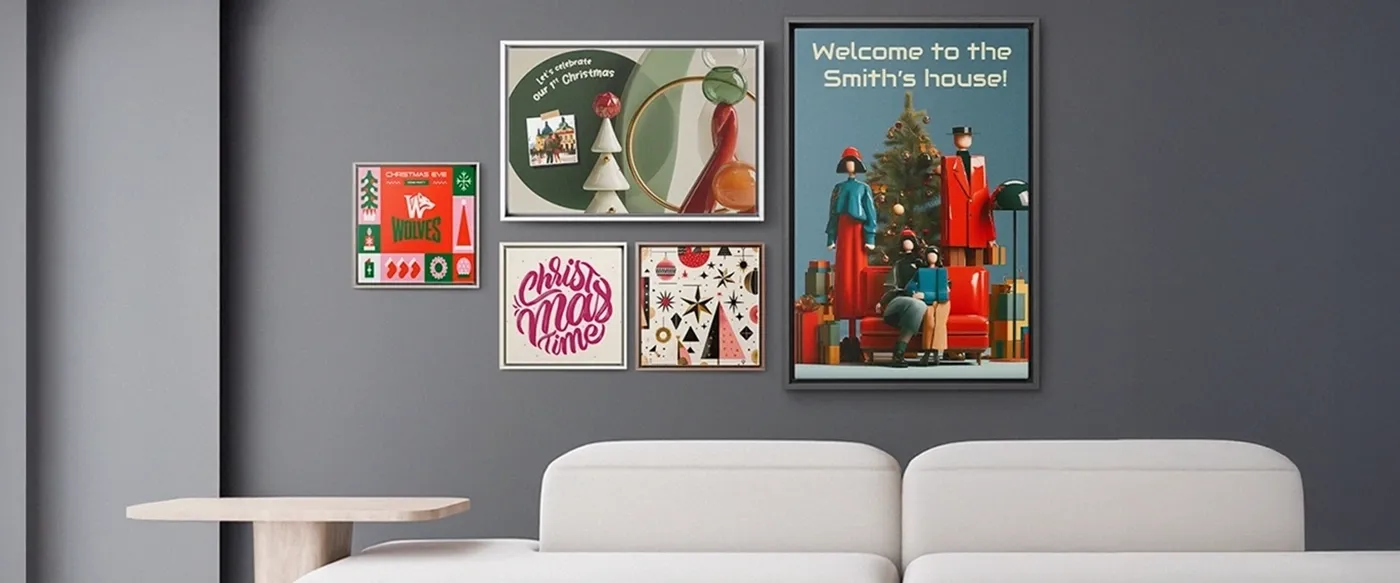
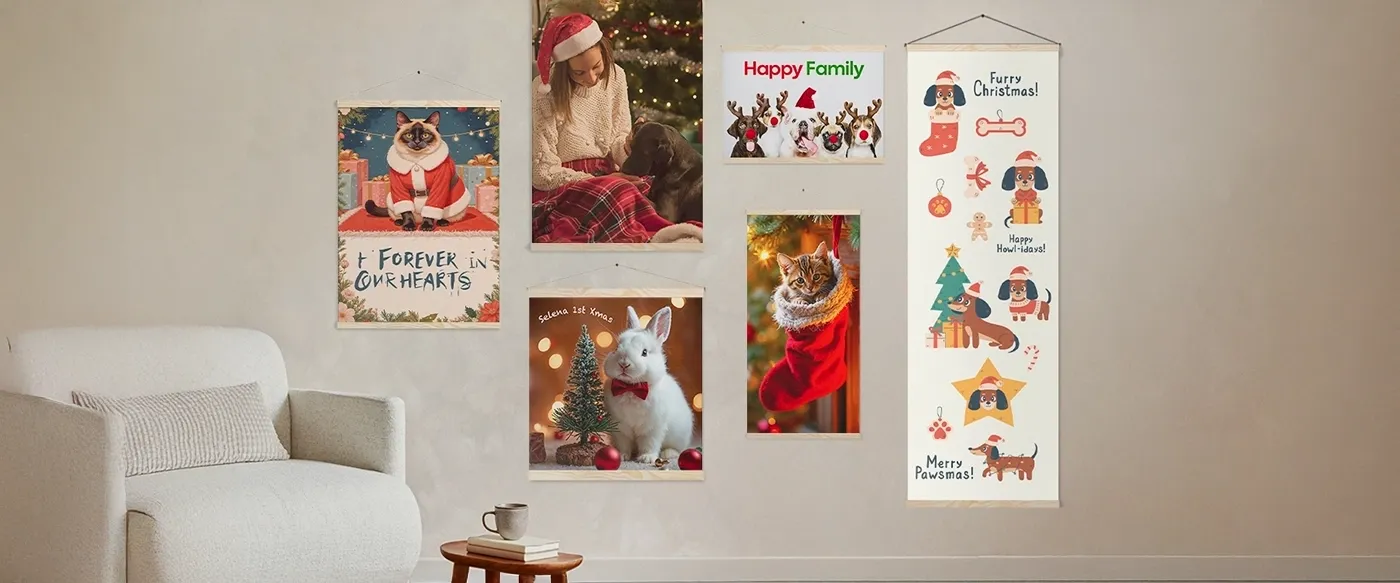
A framed canvas printed with advanced UV-resistant inkjet technology on premium polyester canvas — hand-stretched over an FSC-certified pinewood frame — is a large format printed product. The quality of the ink, the resolution of the output, and the durability of the print are all determined by the production technology and quality control behind it.

This is what the merchOne wall art catalog is built on: advanced print technology applied consistently across every order, from framed canvases to framed posters and passepartout pieces — backed by 20+ years of manufacturing expertise, a 4.8/5 rating across 60,000+ verified U.S. reviews, and production infrastructure capable of up to 2.5 million products per day across factories in the US and Europe.

Frequently Asked Questions

What is large format printing used for?

Large format printing is used for oversized visual products such as banners, signage, wall art, trade show backdrops, retail graphics, vehicle wraps, custom wallpaper, canvas prints, acrylic prints, metal prints, and interior décor.

What is the difference between large format and wide format printing?

The terms are often used interchangeably. Both describe printing that exceeds standard commercial print dimensions, usually starting around 18 inches wide and extending to several meters depending on the printer and substrate.

What materials can be used in large format printing?

Common materials include canvas, vinyl, fabric, acrylic, aluminum, metal, foam board, PVC, wood, paper, and specialty wallcovering substrates. The right material depends on whether the product is used indoors, outdoors, temporarily, or as a premium long-term display piece.

Is large format printing good for wall art?

Yes. Large format printing is one of the core production methods behind canvas prints, framed posters, acrylic prints, metal prints, and other premium wall art products. It allows sellers to produce oversized, high-resolution décor products at individual order scale.

Build Large Format Wall Art Products with merchOne

Large format printing is the production layer behind premium wall art, canvas, framed posters, acrylic prints, metal prints, and custom home décor.

merchOne helps sellers turn large format print technology into white-label POD products across wall decoration, canvas, framed prints, posters, photo gifts, and home décor — with scalable production and connected fulfillment workflows.

Explore Wall Decoration

author avatar
Ngan Le SEO Specialist
SEO Specialist in the ecommerce and fulfillment industry, focused on driving organic growth and optimizing marketing campaigns to maximize sustainable sales performance. Passionate about data-driven strategies, search optimization, and conversion improvement to help brands scale effectively.