Horizontal purple gradient banner transitioning from blue-purple to pink-purple, used as a background Horizontal purple gradient banner transitioning from blue-purple to pink-purple, used as a background
Local Production Sites in the USA & EU!
No customs fees and delays - just fast and effective fulfilment to scale!


More than 500,000 premium products manufactured daily for commercial and private customers.

Explore
FEATURE
Back to All Posts
Print-on-Demand 101

Screen Printing vs. Digital Printing: Which Method Fits Your Print on Demand Business?

Screen printing and digital printing can both produce strong physical products, but they are built for different business models. Screen printing is efficient when one design is produced in bulk. Digital printing is built for print on demand because each order can be printed from a file without screens, setup fees, or minimum order quantities.

For POD sellers, the practical answer is clear: digital printing is usually the better fit. It supports single-unit production, personalization, photo-based designs, unlimited colors, and fast catalog testing across apparel, wall art, home décor, mugs, blankets, and personalized gifts.

The real value is knowing where each method breaks down. Screen printing can win on high-volume runs of the same simple design. Digital printing wins when designs change often, customers personalize products, or sellers need to launch many SKUs without committing to inventory.

Key Takeaways for POD Sellers

The choice between screen printing and digital printing is less about which method is “better” and more about order structure. If the same design is printed hundreds of times, screen printing can make sense. If every order may be different, digital printing is the operational fit.

  • Best for POD: digital printing, because it supports one-off orders, personalization, and no minimum order quantity.
  • Best for bulk: screen printing, especially when the same simple design is printed in larger runs.
  • Cost break-even: screen printing often becomes more competitive around 24-48 identical units, depending on supplier, color count, and setup fees.
  • Best for complex artwork: digital printing, because gradients, photos, and full-color designs do not require separate screens.
  • Best POD applications: DTG for apparel, and dye-sublimation or other digital systems for wall art, mugs, blankets, and home décor.
  • Main seller takeaway: digital printing lets sellers test more designs with lower upfront risk.

Screen Printing vs. Digital Printing: What POD Sellers Need to Know • merchOne

Quick Answer Table: Screen Printing vs. Digital Printing

For most print-on-demand businesses, the comparison comes down to setup cost, order volume, design complexity, and personalization. The table below gives sellers a fast way to choose the right method.

FactorScreen PrintingDigital PrintingPOD seller takeaway
Setup costHigh; one screen per colorLow; print from a digital fileDigital is better for one-off orders
Minimum orderUsually needs volume to make senseCan start at one unitDigital matches POD economics
Design complexityBest for simple, limited-color designsHandles photos, gradients, and full colorDigital is better for varied artwork
PersonalizationPoor fit; each change needs new setupStrong fit; each file can be uniqueDigital supports custom names, dates, and photos
Best use caseBulk apparel runsPOD apparel, wall art, mugs, blankets, giftsDigital is the safer default for POD

How Screen Printing Works

Screen printing is a stencil-based process. Ink is pushed through a mesh screen onto the product, and each color in the design needs its own screen. A four-color design needs four screens. A six-color design needs six screens.

That setup is the reason screen printing can be expensive at low volume. Before production begins, the printer has to create screens, align them, test registration, and prepare ink. Once that work is done, producing many copies of the same design becomes efficient. The economics improve as volume rises because the setup cost is spread across more units.

For POD sellers, that structure is the problem. A seller may receive one order for one design, then another order for a different design, then a personalized version with a customer name or photo. Screen printing is not built for that kind of order flow.

How Digital Printing Works

Digital printing transfers artwork from a digital file directly onto the product or substrate. Because there are no physical screens, each order can be different without creating a new production setup.

In POD, digital printing usually includes methods such as DTG for apparel and dye-sublimation or other digital systems for coated substrates, polyester-based fabrics, mugs, wall art, and home décor. That makes digital printing a practical match for stores that sell many designs, personalized items, or single-unit orders.

The seller benefit is flexibility. A design with a photo, a gradient, a customer name, or a full-color illustration can move into production without changing the entire workflow. That is why digital printing is the standard method for most modern print-on-demand catalogs.

Cost Structure: Where Each Method Makes Sense

Screen printing usually makes sense when sellers already know they need many units of the same design. Digital printing makes sense when order volume is uncertain, designs vary, or customers personalize products.

Many commercial screen printers price setup by color and by run. A design with several colors can carry meaningful fixed cost before the first unit is printed. Once the order reaches a larger quantity, often around 24-48 identical units depending on the supplier and color count, screen printing can become more competitive.

Print on demand works differently. Sellers do not know which design will sell next, and most orders are produced one at a time. That makes digital printing the better economic fit. The seller can publish more designs, test more niches, and avoid committing cash to bulk production before demand is proven.

Which Products Use Digital Printing in POD?

Different POD products use different digital production methods, but the operating logic is the same: print from a file, avoid bulk setup, and support product variation.

Wall Art and Home Décor

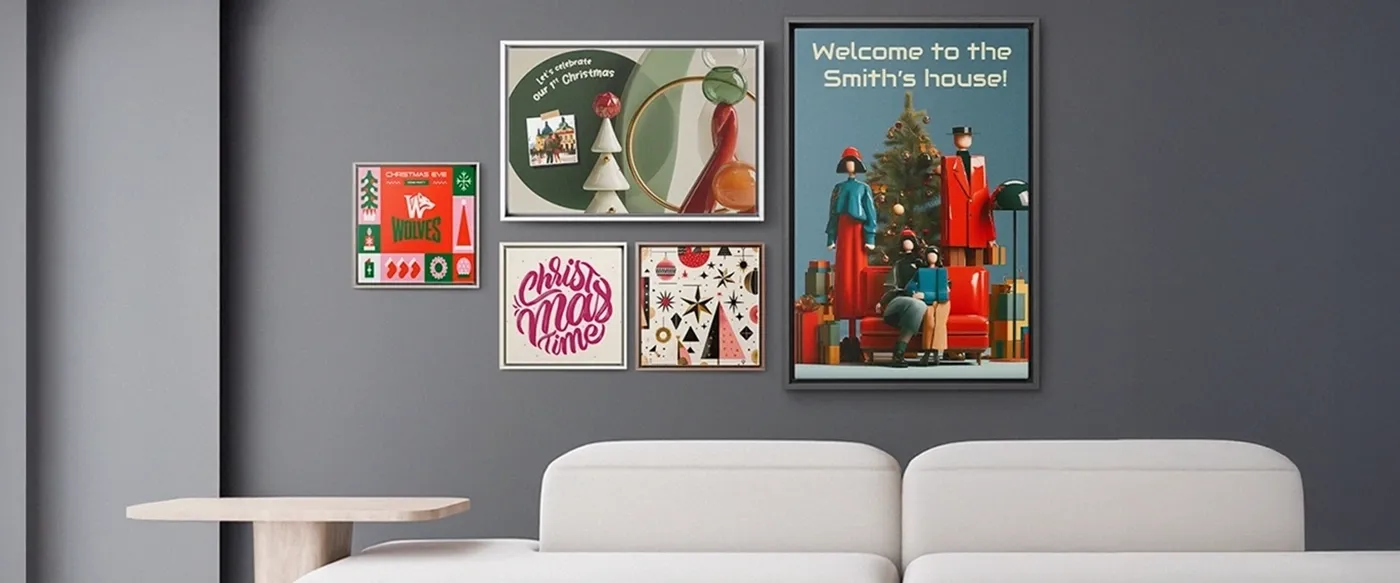
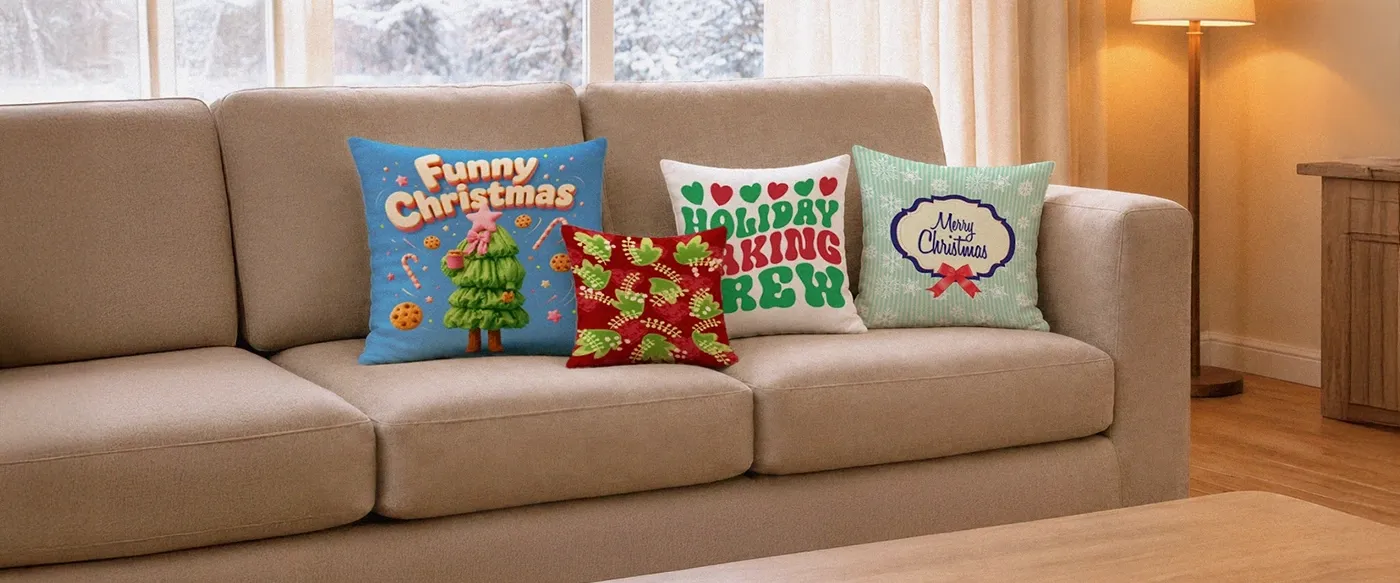
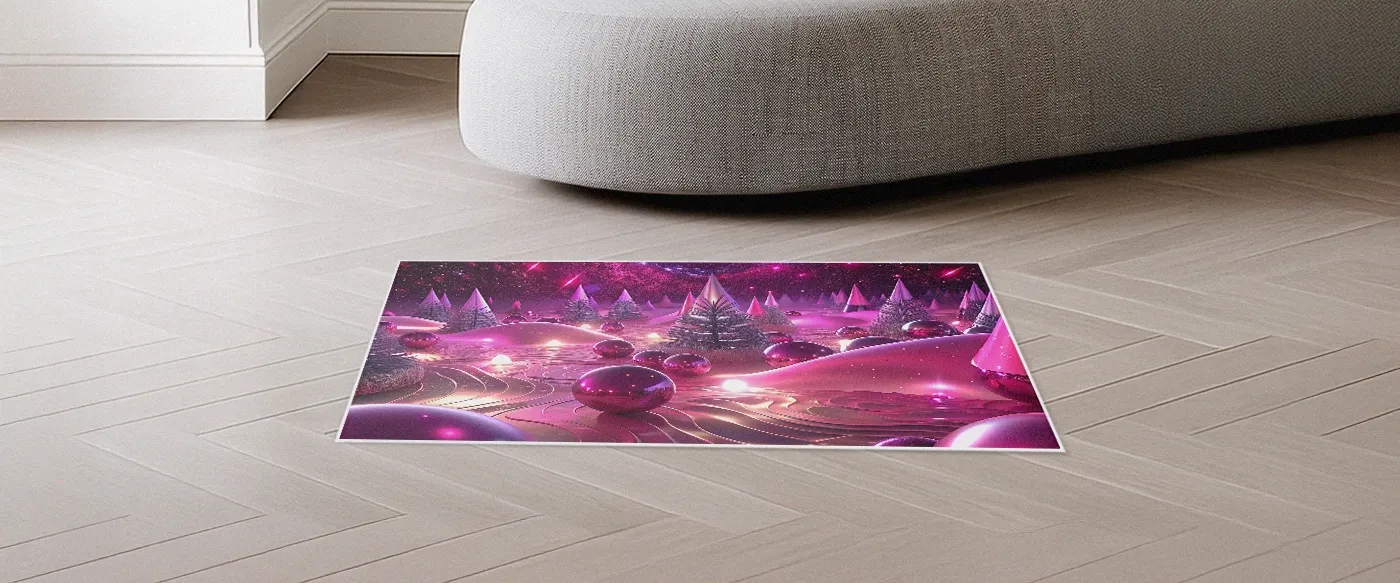
Wall art and home décor need color accuracy, detail, and consistency. Products such as canvas prints, framed posters, metal prints, acrylic prints, pillows, rugs, and photo gifts are usually better suited to digital workflows than screen printing. Sellers building a wall art catalog can explore merchOne’s wall decoration formats for print-on-demand sellers and print-on-demand home décor and accessories.

Apparel

On-demand apparel commonly uses DTG or other digital apparel production methods because sellers need to print many designs across small order quantities. This is especially important for niche shirts, personalized apparel, event designs, and seasonal campaigns. Sellers can review merchOne’s print-on-demand apparel catalog for custom product lines.

Mugs, Blankets, and Personalized Gifts

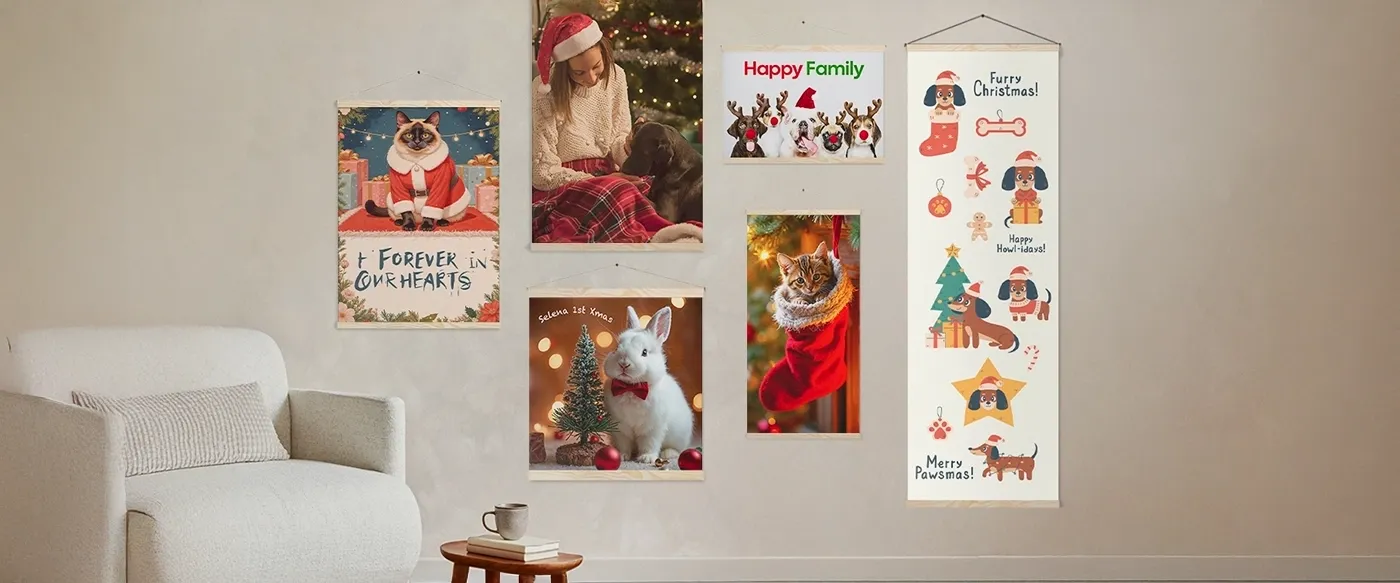
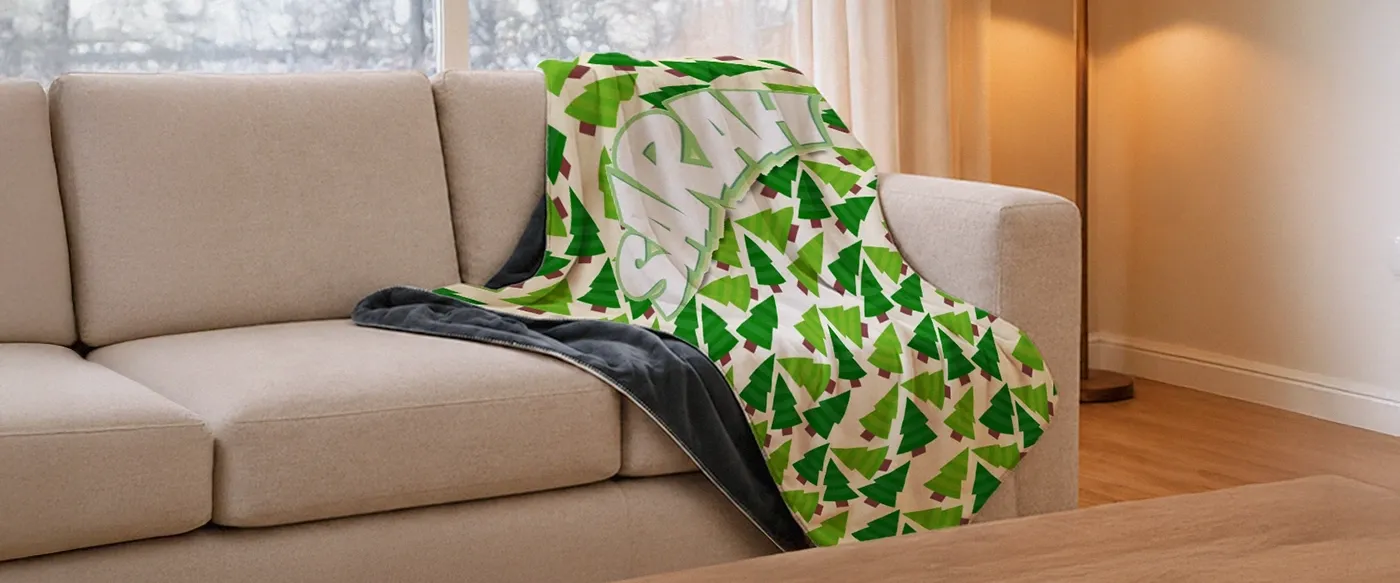
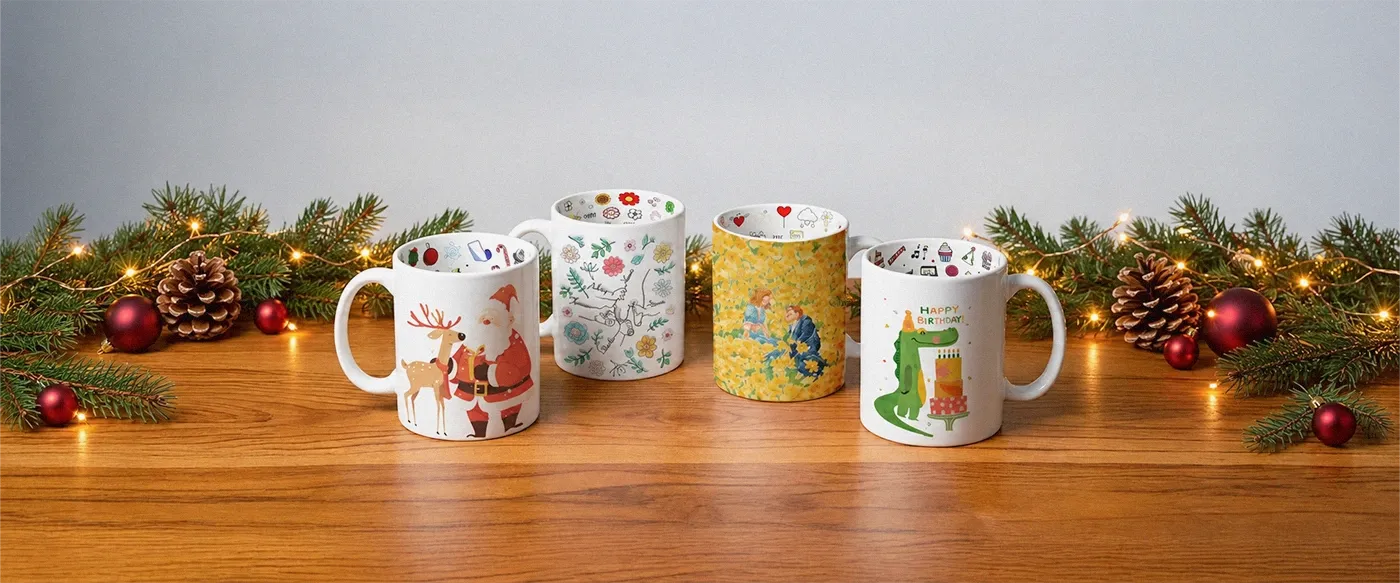
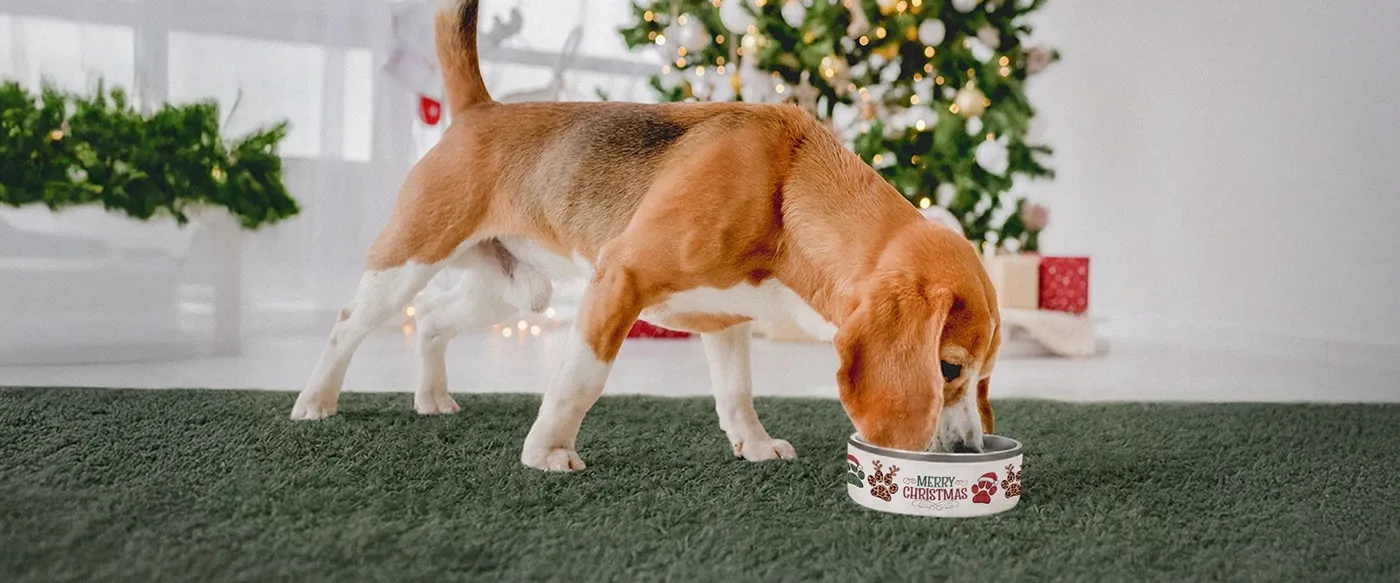
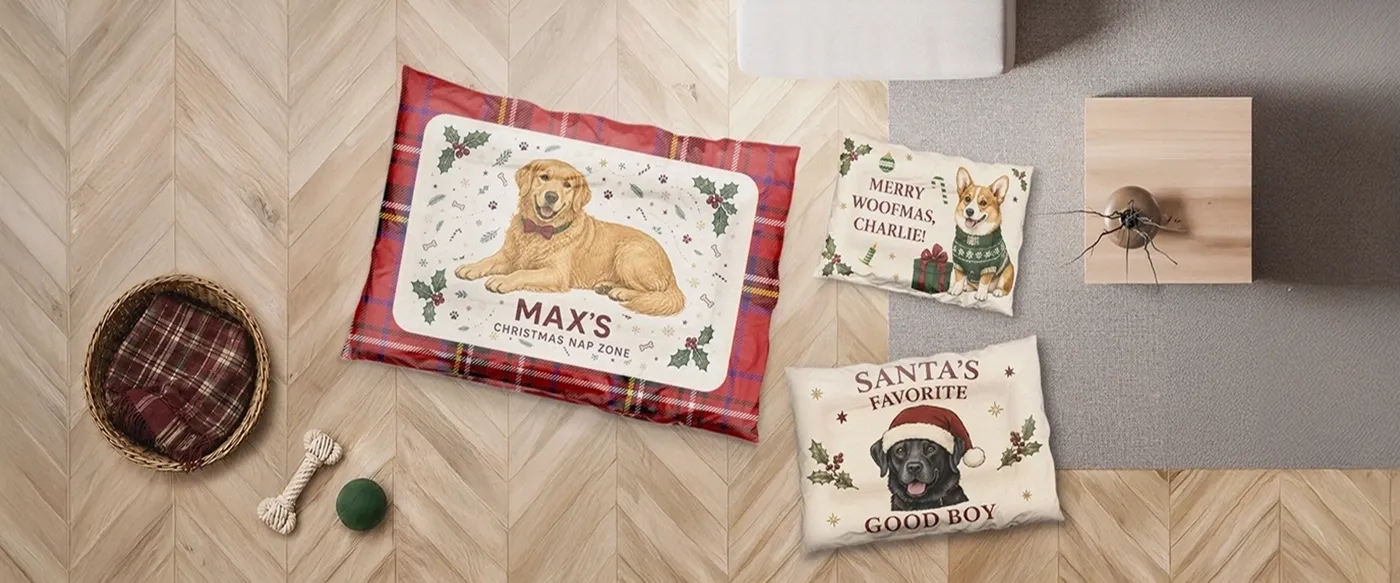
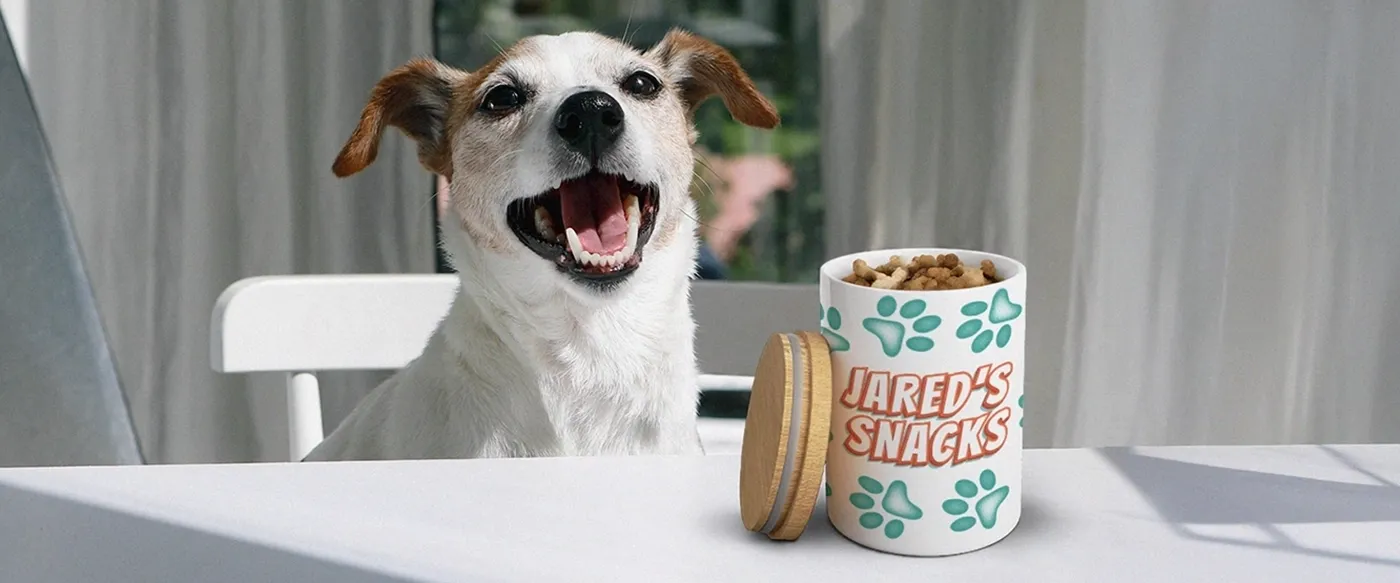
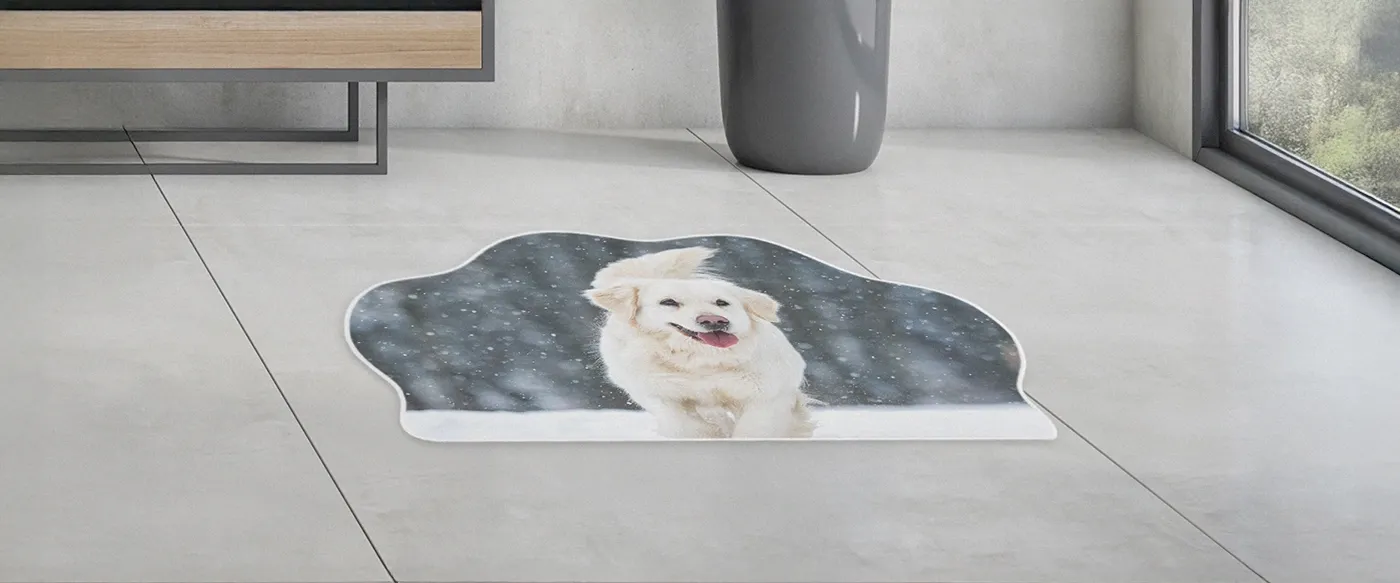
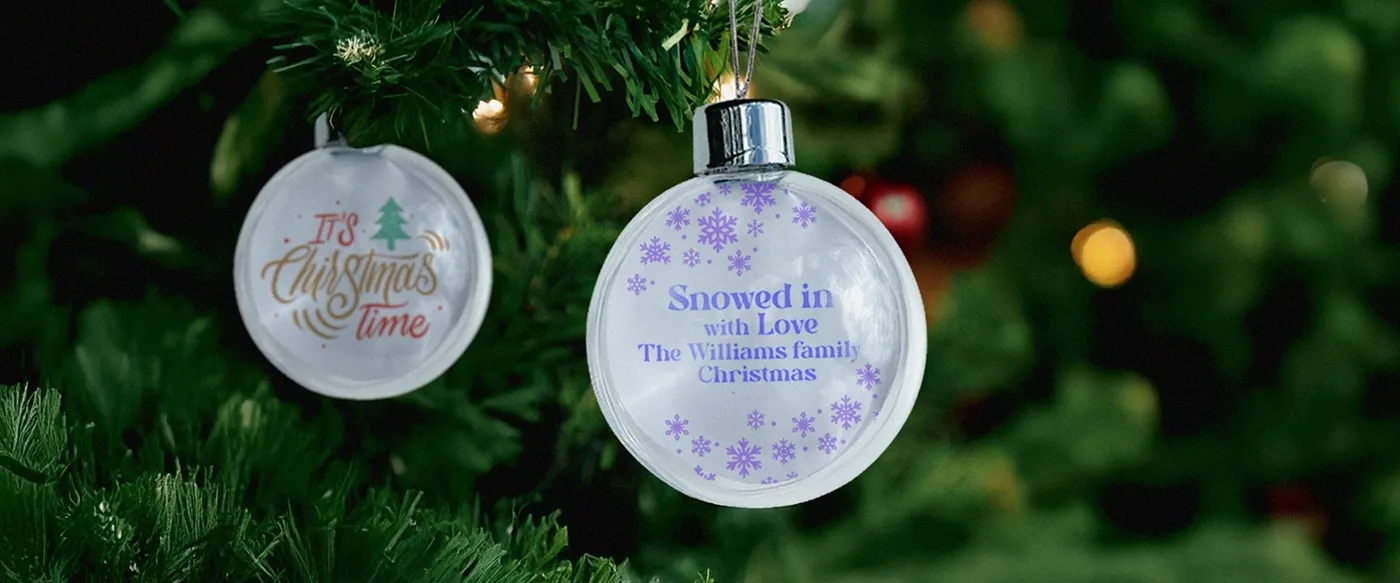
Mugs, blankets, and personalized gifts often depend on digital workflows because each order may include a different photo, name, date, or message. That is also why digital printing fits gift-led POD categories so well. Sellers can build add-on products with print-on-demand blankets for gift and home décor collections or pet-related designs through print-on-demand pet products for dog bowls, paw rugs, pet pillows, and treat jars.

Print Quality: What Sellers Should Actually Compare

Quality is not one single metric. Screen printing can produce strong solid colors, especially on simple apparel designs. Digital printing is stronger when the artwork includes detail, gradients, photographs, or many colors.

For sellers, the better question is not “Which method is higher quality?” It is “Which method fits the design and product?” A bold one-color team shirt in a bulk order may be ideal for screen printing. A personalized pet portrait, a family photo mug, a canvas print, or a full-color holiday design is better matched to digital printing.

This is also where customer expectations matter. POD buyers often purchase products because the design is personal, niche, or detailed. Digital production supports that expectation without forcing sellers to simplify artwork for screen limitations.

Durability: Screen Printing vs. Digital Printing

Screen printing has a strong durability reputation, especially for bulk apparel. The ink sits on the surface of the fabric and can remain durable when printed, cured, and washed correctly.

Modern digital printing has improved significantly. DTG and dye-sublimation workflows can produce durable results when the product, ink system, substrate, and curing process are properly matched. Dye-sublimation is especially strong for compatible polyester-based or coated substrates because the dye becomes part of the material rather than sitting as a separate layer.

For POD sellers, durability depends less on the label “screen” or “digital” and more on the fulfillment partner’s equipment, substrate quality, color management, and production control.

Environmental Considerations

Digital printing can reduce several types of production waste because it does not require screen preparation, screen cleaning, or bulk production before demand exists. That matters for POD sellers who want to test designs without creating unsold stock.

Traditional screen printing may involve more setup materials, ink waste, and cleaning processes. Water-based screen inks can improve the profile, but the method still requires physical screens and preparation. Digital workflows often use water-based inks and file-based production, which can be cleaner for small orders and variable designs.

For sellers marketing to sustainability-aware customers, the most useful claim is specific and verifiable: local production where available, reduced inventory waste, certified materials where applicable, and responsible fulfillment practices. Avoid broad sustainability claims that are not tied to the exact product and supplier.

Why Digital Printing Fits the POD Business Model

Print on demand is built on uncertainty. Sellers do not know which design will sell, which customer will personalize a product, or which niche will grow next. Digital printing helps sellers respond to that uncertainty without buying inventory or paying setup fees for every design.

That flexibility changes how sellers build catalogs. They can test a design on a mug, move it to wall art, adapt it to apparel, and create a personalized version without rebuilding the production process. Screen printing is a production method for repetition. Digital printing is a production method for variation.

How merchOne Fits Digital Print-on-Demand Production

merchOne fits digital print-on-demand production because sellers can build across wall art, home décor, apparel, blankets, mugs, photo gifts, and pet products without managing bulk inventory. That matters when the product catalog depends on many designs, seasonal campaigns, and personalized orders.

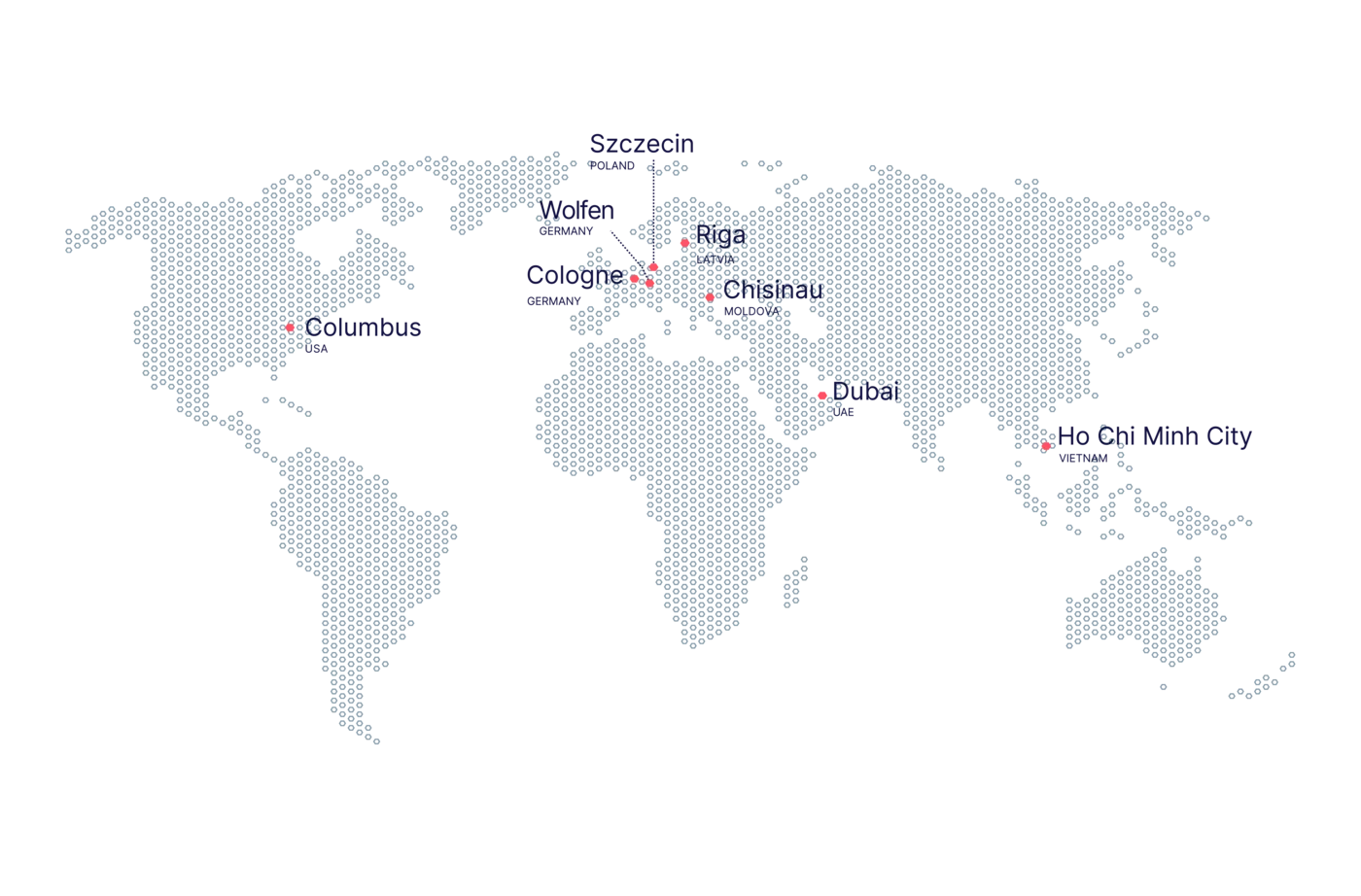
merchOne is a print-on-demand manufacturer specializing in wall art and home décor, with production across four facilities in Poland, Germany, Latvia, and Columbus, Ohio. Sellers can connect stores through the Shopify app, REST API, or Order Desk for multi-channel POD order routing. U.S.-focused sellers can also review US-based print-on-demand options for local production and local shipping.

FAQ: Screen Printing vs. Digital Printing

Is screen printing or digital printing better for print on demand?

Digital printing is better for print on demand because it supports single-unit orders, personalization, and no minimum order quantity. Screen printing can work for bulk runs of the same design, but the setup cost makes it a poor fit for one-off POD orders.

When does screen printing make more sense?

Screen printing can make more sense when a seller needs a larger run of the same design, especially with simple artwork and limited colors. It often becomes more cost-competitive once setup costs are spread across dozens or hundreds of identical units.

Why is digital printing better for personalized products?

Digital printing is better for personalized products because every order can use a different file. A name, date, photo, or custom message can change without creating a new screen or paying a new setup fee for each design variation.

Which method is better for complex artwork?

Digital printing is usually better for complex artwork because it handles full-color designs, gradients, photographs, and fine details without requiring a separate screen for each color. Screen printing is better suited to simpler designs with fewer colors.

What products usually use digital printing in POD?

Common POD products that use digital printing include apparel, canvas prints, framed posters, metal prints, mugs, blankets, pillows, rugs, photo gifts, and pet products. The exact method depends on the substrate, but the digital workflow supports one-off production and design variation.

Build Digital Print-on-Demand Products with merchOne

For POD sellers, digital printing is the practical production model because it supports single-unit orders, personalized products, and fast catalog testing. Start with the product category, match the print method to the substrate, then build designs around customer intent.

With merchOne, sellers can connect through the Shopify app, REST API, or Order Desk for multi-channel POD order routing, route orders from 30+ e-commerce platforms, and build white-label POD catalogs across wall art, home décor, apparel, blankets, mugs, photo gifts, and pet products.

For setup and fulfillment details, sellers can use the Help Center guides for how to start selling with merchOne, step-by-step integration guides for Shopify, API, and Order Desk, and merchOne’s shipping policy for print-on-demand orders. For account and store compliance, review merchOne’s privacy policy and terms of service.

author avatar
Ngan Le SEO Specialist
SEO Specialist in the ecommerce and fulfillment industry, focused on driving organic growth and optimizing marketing campaigns to maximize sustainable sales performance. Passionate about data-driven strategies, search optimization, and conversion improvement to help brands scale effectively.
Start today