Etsy SEO for Product Images in 2026: How Photos Influence Search, Clicks, and Sales
Product images on Etsy do more than show buyers what an item looks like. The first image becomes the thumbnail shoppers see in search, while the rest of the image set helps buyers judge details, scale, use, personalization, and whether the product matches what they expected.
![]()
Quick Answer: Do Product Images Affect Etsy SEO?
Yes. Etsy says its search system takes a holistic view of a listing that includes the first photo, alongside titles, tags, attributes, descriptions, reviews, and other information. Etsy also considers listing quality and engagement when ranking relevant results, so product images can matter both before and after a shopper clicks.
The first image has a particularly important job because it is the listing thumbnail shown in search. The image set that follows then helps buyers understand the item well enough to decide whether it fits their needs. Etsy explains this broader relationship in its official guide on how Etsy Search works.
SEARCH VISIBILITY → THUMBNAIL CLICK → PRODUCT UNDERSTANDING → BUYER CONFIDENCE → CONVERSION
The First Etsy Image Has One Job Before It Has Many
A seller may spend considerable time building a polished mockup at full size, but most shoppers first encounter it as a much smaller search thumbnail. That changes what a useful first image looks like.
A lifestyle scene can feel persuasive when viewed large but become difficult to understand once reduced. A close crop can make artwork highly visible but show too little of the product itself. A graphic containing several products, option labels, arrows, and promotional text may communicate plenty of information on the listing page while becoming visually dense in search.
The first image therefore does not need to answer every buyer question. It needs to make the product easy to recognize and worth opening. Supporting images can do the explaining afterward.
Your Full Image Is Not Always the Image Shoppers See
One common image problem is not image quality but image survival: the composition looks right during design, then important information becomes too small or gets lost when the marketplace displays a cropped thumbnail.
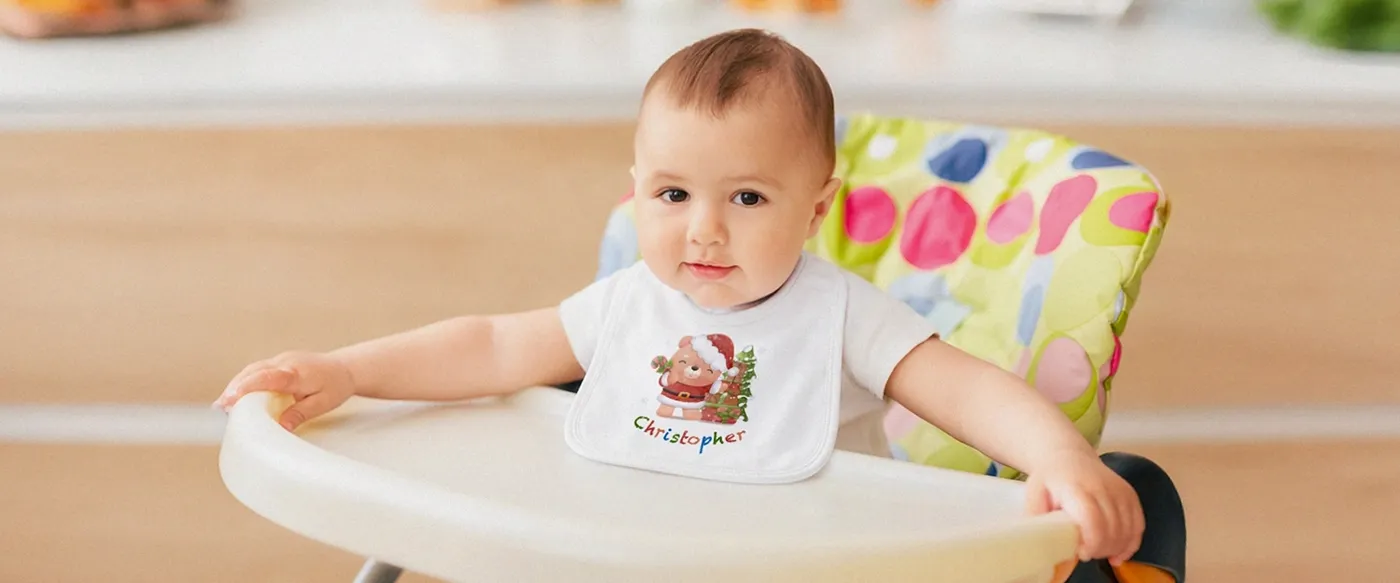
This matters particularly for personalized products and POD designs. A name placed near the bottom of a tote bag, artwork pushed close to the edge of a poster, or a small chest print on apparel may look balanced at full size but become difficult to read at thumbnail scale.
Before choosing the first image, check whether the product remains recognizable when small, whether the design can still be understood without zooming, whether important details have enough breathing room, and whether the composition still makes sense on mobile.
Image Resolution Is One of the Less Subjective Parts of Etsy Image SEO
Etsy’s current listing guidance states that the first listing photo should be at least 635 × 635 pixels to avoid the possibility of appearing lower in search. Etsy recommends listing images with a width and height of at least 2,000 pixels for stronger visual quality.
These numbers should be treated as technical baselines, not ranking formulas. A 2,000-pixel image does not guarantee higher placement. It simply avoids an unnecessary quality limitation and gives buyers enough detail to evaluate the item. Etsy also recommends clear lighting, multiple angles, simple backgrounds, and images that help shoppers understand the product. These recommendations are summarized in Etsy’s guide to building a well-crafted listing.
More Information Does Not Need to Live in the First Image
It is easy to turn the hero image into a miniature landing page: personalization labels, size options, color choices, arrows, badges, promotions, and several product views can all compete for the same space.
Some of that information may be useful. The question is where it works best.
A size guide can be valuable later in the sequence. A personalization graphic can reduce ordering mistakes. A color chart can make variant selection easier. A close-up can show print placement better than a lifestyle scene. The first image can stay focused on recognition and click appeal while later images handle comparison and explanation.
Mockups Are Useful, but They Still Need to Build Trust
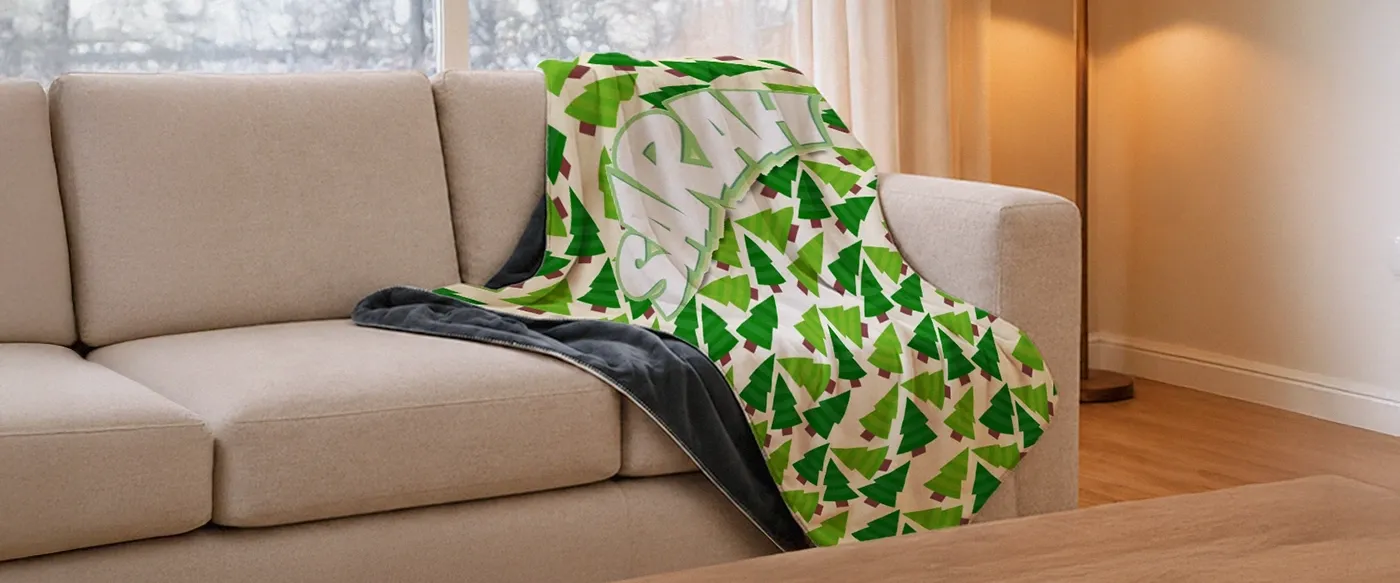
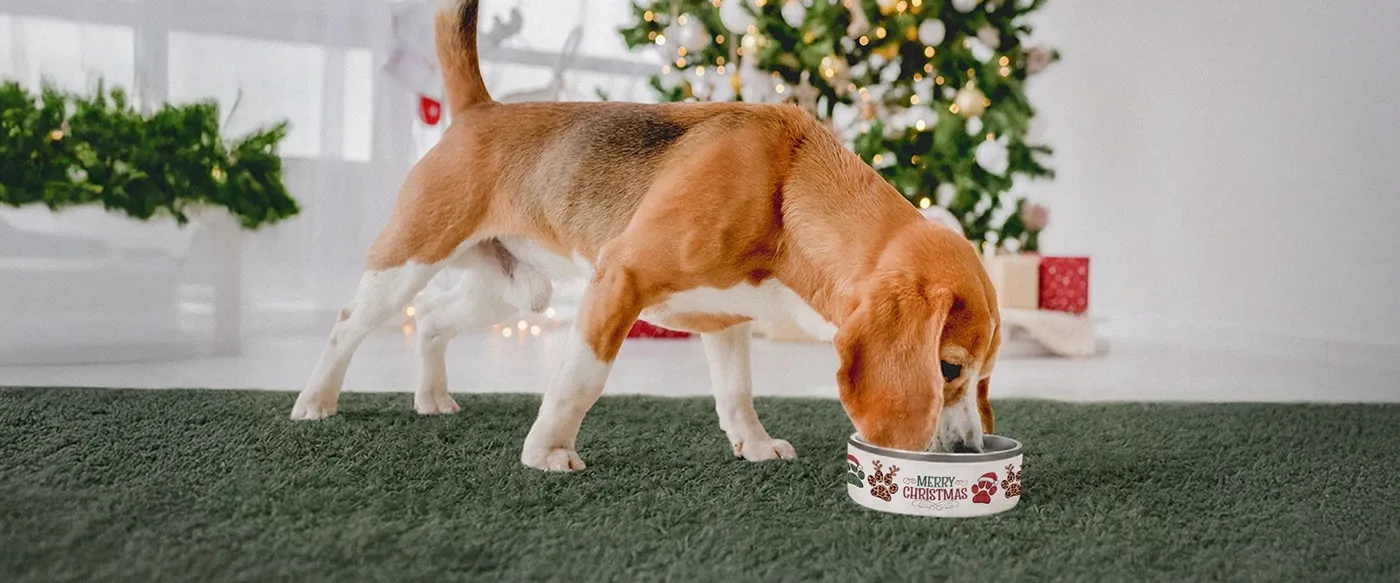
For print-on-demand sellers, mockups solve a real operational problem: a design can be visualized across multiple products without photographing every possible design and SKU before launch.
The more important question is whether the mockup creates an expectation the fulfilled product can support. If the product shape, scale, print placement, color, or proportions look noticeably different from reality, the image may win attention but weaken buyer confidence later.
A practical approach is to use the hero mockup to communicate the offer, then use supporting images to close the gap between visualization and reality. That might include a clean product view, a print-area close-up, a scale reference, dimensions, an alternate angle, or an accurate lifestyle context.
What Should Each Etsy Product Image Actually Do?
The value of an image sequence comes from information coverage, not from filling photo slots for the sake of it.
| Image role | Buyer question it should answer |
|---|---|
| Hero image | What exactly is being sold? |
| Design close-up | What does the artwork or personalization actually look like? |
| Alternate angle | What does another side or part of the product look like? |
| Scale image | How large is it in a realistic setting? |
| Lifestyle image | How could I use, wear, carry, or display it? |
| Size or dimension graphic | Which option fits my needs? |
| Variant image | What colors, formats, or designs can I choose? |
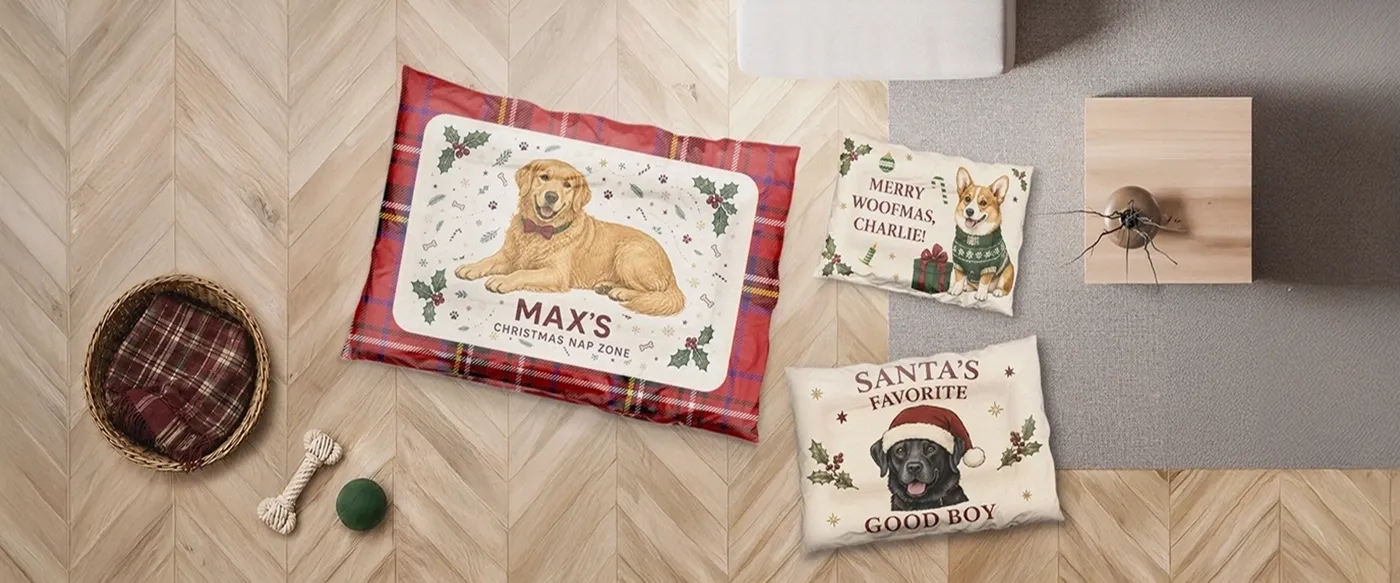
| Personalization example | What will the customized version look like? |
Not every listing needs every image type. A personalized tote bag, wall-art print, and T-shirt create different buying questions. The image sequence should reflect those differences.
Studio Images and Lifestyle Images Solve Different Problems
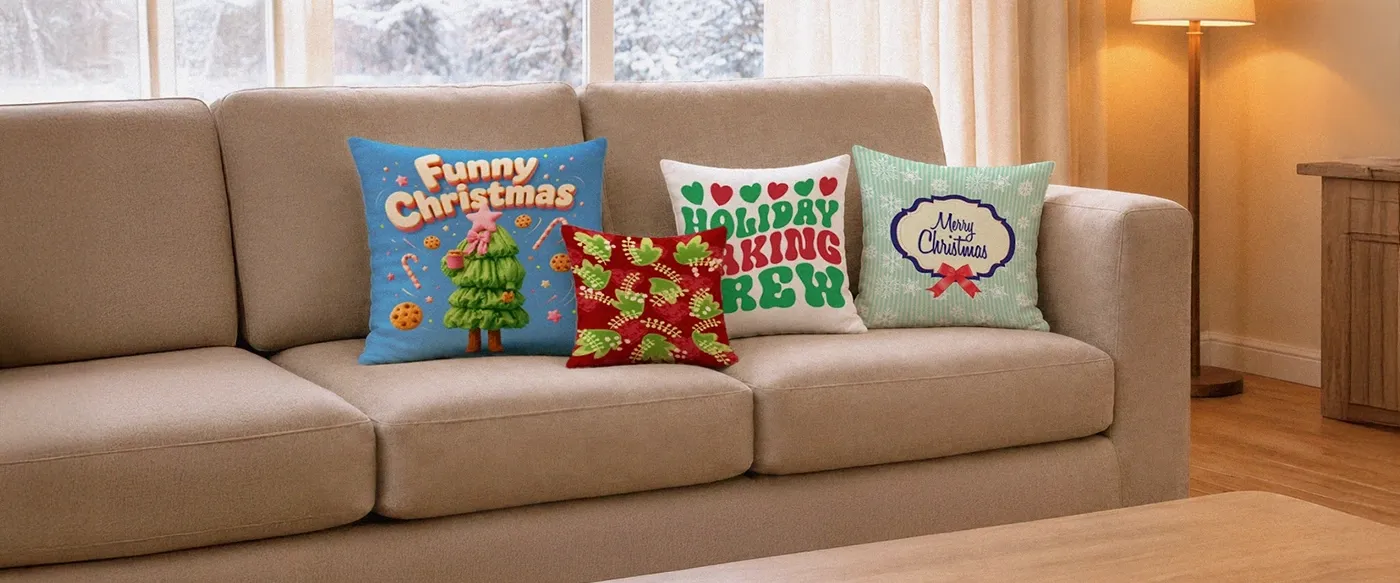
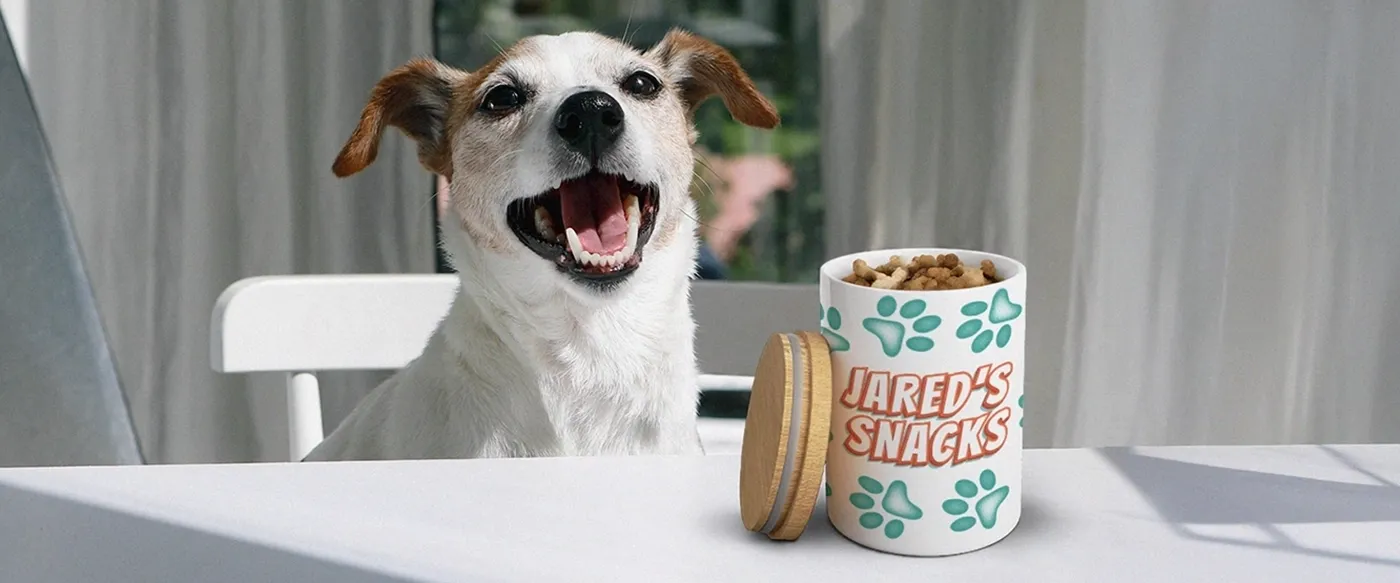
A clean product image makes identification easy. The shopper can focus on the product shape, color, and artwork with little visual competition. A lifestyle image adds context and can help someone imagine how a poster fits into a room, how a tote looks when carried, or how an apparel design feels as part of an outfit.
Rather than treating one style as universally stronger, sellers can test the order. One listing may perform better with a clean product-led hero followed by lifestyle context; another may benefit from a strong lifestyle scene first, followed immediately by a simple product view.
The useful test is not “Which photography style is best on Etsy?” It is “Which first image makes this product easiest to recognize and most relevant to this buyer?”
Image Variety Matters More Than Image Count
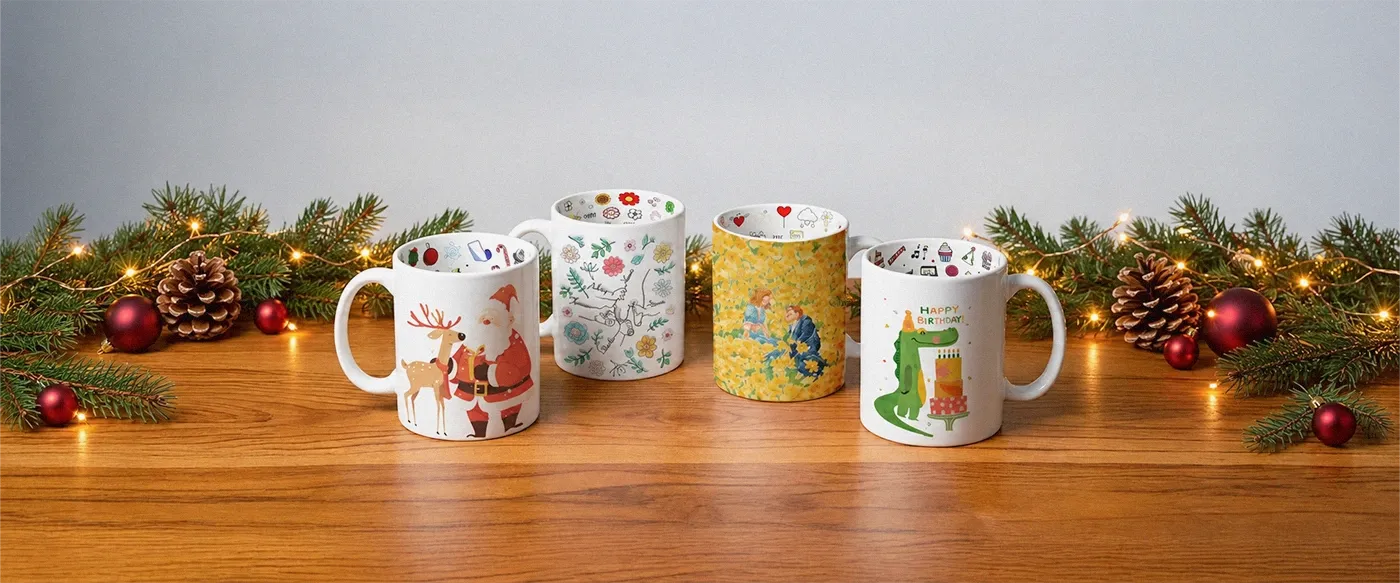
Several mockups that show essentially the same front-facing product from slightly different distances may not give buyers much new information. A smaller set of images can be more useful when each one addresses a different concern.
For example, one hero image, one close-up, one scale reference, one lifestyle scene, and one personalization example can create a fuller understanding of the product than five near-identical hero mockups.
This is especially relevant for sellers working across multiple categories. The merchOne product catalog includes product types with very different visual needs, so image planning should change with the product rather than follow one universal template.
Image Optimization Should Continue After the Click
It is tempting to evaluate product images only by click-through rate. A thumbnail that earns attention is valuable, but the images that follow still need to confirm what the shopper thought they were opening.
The first image makes a promise. The image sequence substantiates it.
For a personalized product, that could mean showing a finished customization example early. For wall art, a room scene can be followed by a clean product view and dimensions. For apparel, artwork visibility can be followed by wearable context and sizing information.
The objective is not maximum clicks in isolation. It is attracting shoppers whose expectations match the product.
A Practical Image Strategy for POD Sellers
POD sellers have a particular advantage: once a visual system is established, product imagery can be produced efficiently across designs and niches. The risk is that efficiency can turn into sameness if every listing relies on the same supplier mockup in the same sequence.
A useful workflow is to separate product truth from merchandising.
Start With Reliable Product Assets
Use current product images, dimensions, print areas, and specifications from the fulfillment source as the factual foundation. For example, sellers working with a merchOne Tote Bag can plan artwork and mockups around the actual product format and available print-area resources rather than inventing proportions.
Then Add Seller-Specific Context
The seller can then build the merchandising layer: niche-specific artwork, personalized examples, realistic lifestyle settings, variants, gift context, or scale references.
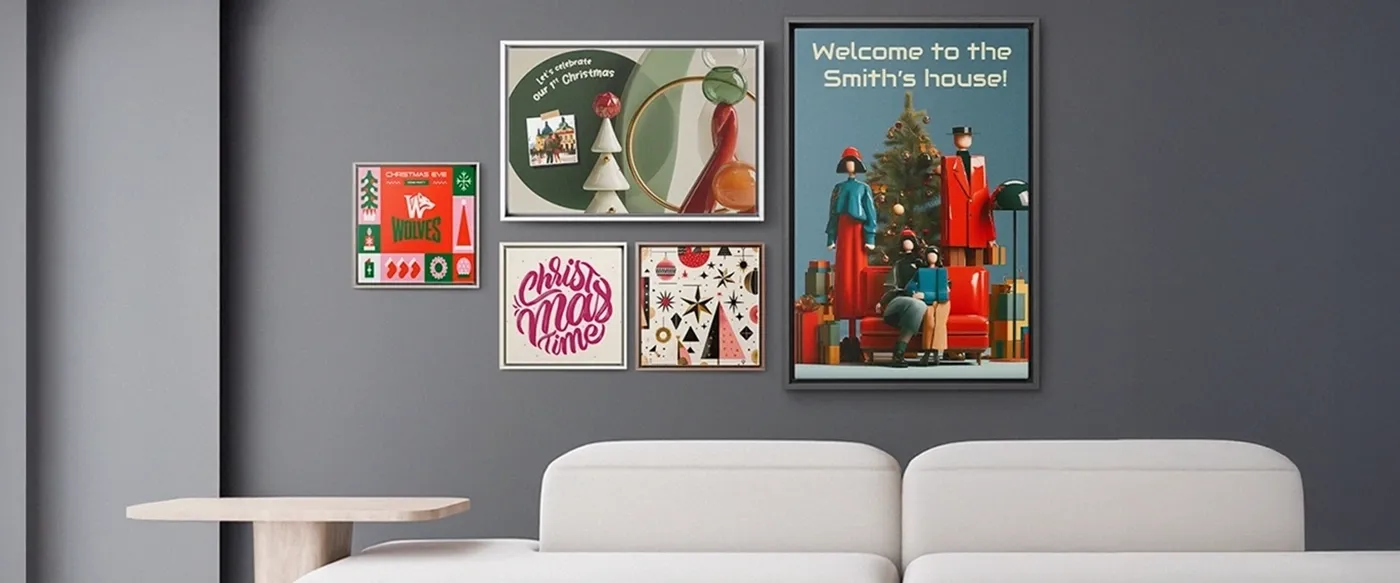
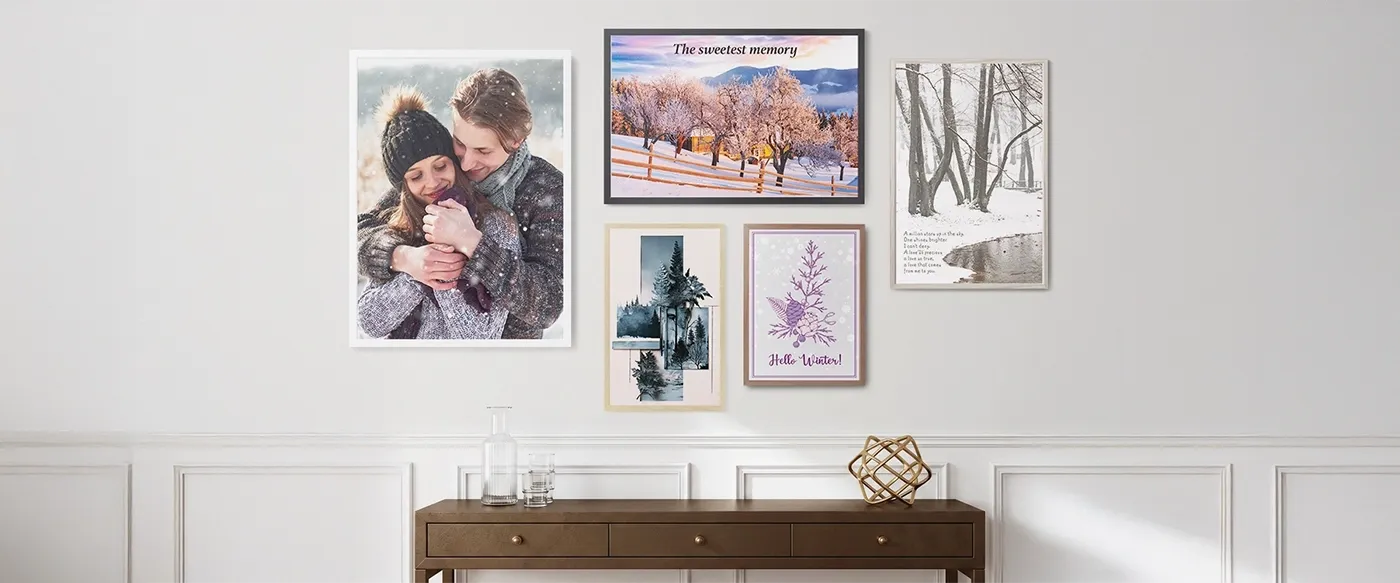
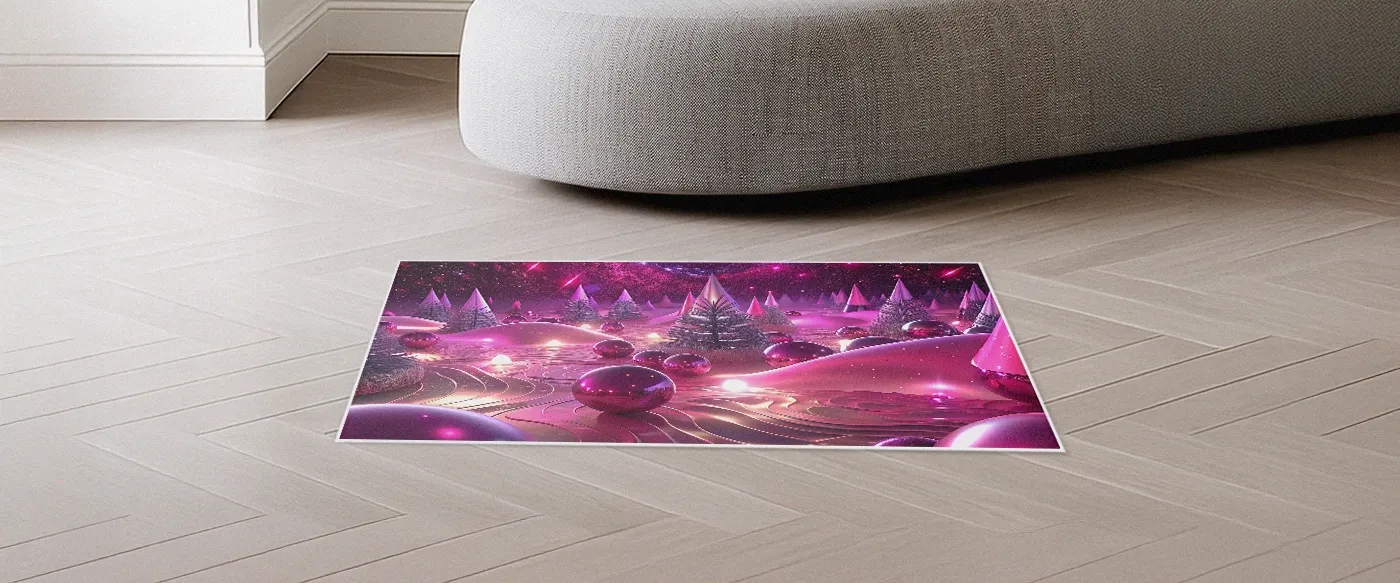
For sellers working with print-on-demand wall decoration, room context and scale can carry more weight because buyers need to imagine the piece in a physical space. For print-on-demand apparel, fit, garment context, print placement, and design legibility become more important.
How to Test Etsy Product Images Without Changing Everything at Once
Image testing is more useful when the seller can tell what actually changed. If the first image, price, title, tags, description, shipping settings, and promotion all change at the same time, the result becomes difficult to interpret.
Test the Hero Composition
Compare a clean product-led thumbnail with a lifestyle-led thumbnail while keeping the rest of the listing largely consistent.
Test the Crop
Try a closer crop against a composition with more negative space while keeping the product and artwork the same.
Test Design Visibility
Compare whether making the printed design easier to read at thumbnail size changes shopper response.
Test the Image Sequence
Keep the same hero but move a scale, detail, or personalization image earlier in the sequence.
Test Information Density
Compare a simple hero with a version containing additional text or graphic information. The purpose is not to prove one approach always wins; it is to find what this product and audience respond to.
A Simple Etsy Product Image Audit
- Search thumbnail: Can you immediately tell what the product is, and is the design still visible when small?
- Technical quality: Is the image clear, sufficiently large, well lit, and free from avoidable quality problems?
- Product accuracy: Does the mockup represent the product shape, proportions, print placement, and important features credibly?
- Information coverage: Does each supporting image answer a different buyer question?
- Buyer context: Can the shopper understand scale, use, styling, or personalization where those details matter?
- Expectation match: Would a buyer ordering from these images reasonably expect the product that will actually be fulfilled?
Frequently Asked Questions About Etsy Product Image SEO
Does Etsy use the first product photo for search?
Yes. Etsy says the first photo is among the listing information its search system can consider, and that first photo also serves as the search thumbnail shoppers encounter before opening the listing.
What size should Etsy product images be?
Etsy recommends listing images at least 2,000 pixels in width and height. Etsy also states that the first listing image should be at least 635 × 635 pixels to avoid the possibility of appearing lower in search.
Should the first Etsy image include text?
Text can be useful when it genuinely helps buyers, but the first image has limited space and needs to remain easy to understand at thumbnail size. Sellers can test a simpler product-led hero against a more informational version and move detailed graphics later in the image sequence when appropriate.
Are lifestyle images better than plain product images?
Not automatically. Clean product imagery and lifestyle scenes solve different buyer questions. Testing the order is usually more useful than assuming one visual style is best for every category.
Are mockups suitable for POD listings?
Mockups are useful for visualizing print-on-demand products, provided they represent the item and artwork placement accurately. Supporting images can then add scale, details, alternate views, personalization examples, and other information the main mockup cannot show by itself.
Better Etsy Image SEO Starts With Better Visual Decisions
There is no single Etsy product-image formula that works for every category. A clean studio image may earn more clicks for one product, while a lifestyle scene may communicate another product more effectively. Text can create clutter in a thumbnail but be genuinely useful in a size guide. A polished mockup can communicate a design well while still needing an additional image to establish scale or product detail.
The practical principle is simple: give each image one clear job.
Let the first photo make the product easy to recognize and worth clicking. Use supporting images to clarify scale, details, personalization, variants, and realistic use. Keep every visual consistent with the product that will actually be fulfilled.
For POD sellers, that process starts with reliable product information and visual assets. Explore merchOne to build a product foundation, then create listing imagery around the buyer questions that matter for the specific product and niche.
Disclaimer: This article reflects publicly available Etsy search and listing-image guidance reviewed as of August 7, 2026. Etsy can change its search systems, interface, image requirements, and seller guidance over time. Individual shop results vary by product, category, competition, pricing, customer behavior, seasonality, and other factors. The testing approaches described here are optimization methods, not guarantees of search ranking, traffic, conversion, or sales.