Horizontal purple gradient banner transitioning from blue-purple to pink-purple, used as a background Horizontal purple gradient banner transitioning from blue-purple to pink-purple, used as a background
Local Production Sites in the USA & EU!
No customs fees and delays - just fast and effective fulfilment to scale!


More than 500,000 premium products manufactured daily for commercial and private customers.

Explore
FEATURE
Back to All Posts
Print-on-Demand 101

Do You Need a Business License to Sell on Etsy?

You do not need a business license just to open an Etsy shop, but that does not mean an Etsy store can operate without compliance. Once a shop starts selling for profit, sellers may need a local business license, a state seller’s permit, tax registration, and, at a certain risk level, an LLC.

The important distinction is simple: Etsy’s platform rules and government requirements are not the same thing. Etsy may let a seller list products before registration is complete, but cities, counties, states, and tax authorities can still require permits based on where the seller operates and what they sell.

This guide explains what Etsy sellers actually need, when a seller’s permit matters, how an LLC differs from a license, and why POD sellers should treat compliance as part of scaling rather than a task to fix later.

Do You Need a Business License to Sell on Etsy? • merchOne

Key Takeaways for Etsy Sellers

The biggest mistake is treating “business license,” “seller’s permit,” and “LLC” as the same thing. They solve different problems. A license allows operation, a seller’s permit supports sales tax compliance, and an LLC helps separate personal and business liability.

  • Etsy shop setup: Etsy does not require a business license just to create a seller account.
  • Local compliance: many cities and counties require a business license once a seller operates commercially, even from home.
  • Sales tax compliance: sellers may need a seller’s permit in their home state or other states where they have tax obligations.
  • Tax reporting: receiving no 1099-K does not remove the duty to report taxable business income.
  • Liability protection: an LLC is not a permit; it is a legal entity that can help separate personal assets from business risk.
  • POD seller risk: copyright claims, customer disputes, and product issues become more serious as revenue grows.

Quick Answer Table: What Etsy Sellers May Need

Most Etsy sellers do not need every document on day one. The right setup depends on location, revenue, risk, and whether the shop is a hobby or a for-profit business.

RequirementWhat it doesWhen it mattersSeller takeaway
Business licenseAllows commercial activity in a city, county, or stateDepends on local rulesCheck your city or county first
Seller’s permitRegisters the seller for sales tax collection and remittanceWhen state sales tax obligations applyTax compliance is separate from Etsy account setup
Home occupation permitConfirms a home-based business is allowed under zoning rulesSome cities and counties require itMore common for home-based shops
EINFederal tax ID for business useUseful for bank accounts, suppliers, and entity setupOften worth getting even before hiring employees
LLCCreates a separate legal entityAs revenue, risk, or supplier relationships growUseful for liability separation, not a replacement for permits

Does Etsy Require a Business License?

Etsy does not require a business license just to open a shop or list products. A seller can usually create an account as an individual and begin building listings before forming a legal entity.

That does not mean the seller is exempt from local, state, or federal rules. Etsy is a marketplace. It does not replace business registration, sales tax registration, income reporting, or local licensing. A seller can be allowed to sell on Etsy and still be out of compliance with a city, county, or state agency.

The safest way to think about it: Etsy controls marketplace access. Government agencies control business compliance.

What Is a Business License for an Etsy Seller?

A business license is permission from a government authority to operate commercially. For Etsy sellers, this may come from a city, county, or state. The exact requirement depends on where the seller lives and where the business is operated.

Some sellers also need a seller’s permit, resale certificate, sales tax permit, or home occupation permit. These are often grouped under “business license” in casual conversation, but they are not identical. Each document has a different purpose.

A POD seller working from home may have no inventory and no customer foot traffic, but the shop can still count as a business if it is operated for profit. That is why local licensing rules matter even for low-overhead Etsy shops.

Business License vs. Seller’s Permit vs. LLC

These three terms are often confused, but they do not do the same job. Understanding the difference helps sellers avoid buying the wrong thing or assuming they are protected when they are not.

DocumentMain purposeDoes it protect personal assets?Common mistake
Business licensePermission to operate commerciallyNoThinking it creates liability protection
Seller’s permitSales tax registrationNoConfusing tax authorization with a business entity
LLCLegal entity and liability separationPotentially, if maintained correctlyThinking an LLC replaces licenses or permits

Which Permits Might an Etsy Seller Need?

Most Etsy sellers should check three layers: local business licensing, state sales tax registration, and home-based business rules. The exact answer depends on the seller’s location and business activity.

General Business License

A general business license is usually issued by a city, county, or state. It allows the seller to operate commercially in that location. Some areas require it before the first sale, while others use revenue thresholds or business type rules.

Seller’s Permit or Sales Tax Permit

A seller’s permit registers the business for sales tax collection and remittance. This is separate from opening an Etsy shop. Some marketplace facilitator laws mean Etsy collects and remits sales tax in many cases, but sellers should still check whether their state requires registration for their business activity.

Home Occupation Permit

A home occupation permit may be required if the seller operates from a residential address. POD sellers often have no inventory, employees, or customer visits, so approval may be simple. Still, zoning rules are local, and sellers should confirm requirements with their city or county.

Tax Reporting and 1099-K: What Sellers Should Know

The 1099-K threshold determines whether a marketplace or payment processor sends a form. It does not determine whether income is taxable. Etsy sellers still need to report taxable business income even if they do not receive a 1099-K.

For federal reporting, current IRS guidance has reverted the third-party settlement organization 1099-K reporting threshold to more than $20,000 and more than 200 transactions. Etsy also notes that some states may have different reporting thresholds, meaning a seller may receive a 1099-K because of state-level rules even if the federal threshold is not met.

This is why sellers should track gross sales, refunds, fees, cost of goods, ad spend, software, and fulfillment costs throughout the year. The tax form is not the business record. The seller’s own bookkeeping is.

When Should an Etsy Seller Form an LLC?

An LLC is not required to open an Etsy shop, but it becomes more useful as risk increases. A seller should consider forming an LLC when the shop is clearly operating as a business, revenue is growing, or the catalog carries legal risk.

Common triggers include consistent monthly profit, a growing ad budget, wholesale or POD supplier relationships, a business partner, contractors, or products that carry copyright, trademark, or product liability concerns. POD sellers should pay special attention to IP risk because design-based businesses are more exposed to takedowns and infringement claims.

An LLC can help separate personal and business assets, but only if the seller treats it like a real business: separate bank account, clean records, proper contracts, and no mixing of personal and business funds.

Sole Proprietor vs. LLC for Etsy Sellers

Many Etsy sellers start as sole proprietors because it is the default structure when an individual sells without forming an entity. That can work for early testing, but it offers no legal separation between the seller and the shop.

StructureBest forMain weaknessSeller takeaway
Sole proprietorEarly testing, low revenue, low riskNo legal separation from the businessSimple, but personally exposed
Single-member LLCGrowing shops, supplier relationships, higher risk catalogsRequires formation, fees, and bookkeeping disciplineMore protection and credibility
LLC with S-Corp electionHigher-profit sellers with CPA supportPayroll and tax complexityConsider only when profit justifies it

What Happens If Sellers Skip Registration?

Skipping registration can create tax, platform, and legal risk. The risk may not appear on day one, but it compounds as revenue grows and records become harder to fix retroactively.

Possible issues include local fines, back taxes, interest, account verification problems, payment holds, and personal liability for business disputes. If a seller collects sales tax incorrectly or fails to report business income, the issue becomes more serious than a missing form.

POD sellers also need to think about copyright and trademark exposure. A shop using copied artwork, protected characters, brand names, or unlicensed logos can face takedowns or legal claims. Sellers building a design catalog should review merchOne’s print-on-demand copyright guide for seller risk management.

State and Local Requirements Vary

There is no single U.S. business license that covers every Etsy seller. Requirements are usually set by state, city, county, and sometimes zoning authorities.

Some states have statewide business license requirements. Others rely mostly on city or county registration. Sales tax rules also vary, and remote sellers may face economic nexus obligations when sales into a state cross that state’s threshold. A common threshold is $100,000 in sales, but states do not all use the same rules.

The practical step is simple: sellers should check the state Department of Revenue, Secretary of State, and local city or county business licensing office where the business is based. For multi-channel sellers using Etsy, Shopify, Amazon, and TikTok Shop, tax software or a CPA becomes more useful as sales scale.

Do Non-U.S. Sellers Need a U.S. Business License to Sell on Etsy?

Non-U.S. sellers generally do not need a U.S. business license just to open an Etsy shop. They do need to follow Etsy’s tax and identity requirements and comply with the laws of their own country.

Some non-U.S. sellers choose to form a U.S. LLC to access U.S. payment processors, banking, supplier terms, or U.S.-based fulfillment. That can be useful, but it can also create U.S. tax filing requirements. Non-resident sellers should get cross-border tax advice before forming a U.S. entity.

How POD Sellers Should Think About Compliance

For print-on-demand sellers, compliance is not only about taxes. It affects supplier access, payment processing, customer trust, and long-term risk. A seller who wants to scale beyond a side project should build a clean operating structure early.

That means keeping business finances separate, saving receipts, tracking fees and ad spend, using original or licensed designs, and choosing a POD manufacturer that supports multi-channel selling. merchOne sellers can connect stores through the Shopify app, REST API, or Order Desk for multi-channel POD order routing.

How merchOne Fits Etsy and POD Sellers

merchOne supports Etsy and POD sellers who want to build a catalog without managing inventory, bulk production, or manual fulfillment. That matters for sellers who are testing product ideas, seasonal niches, personalized gifts, and multi-channel sales.

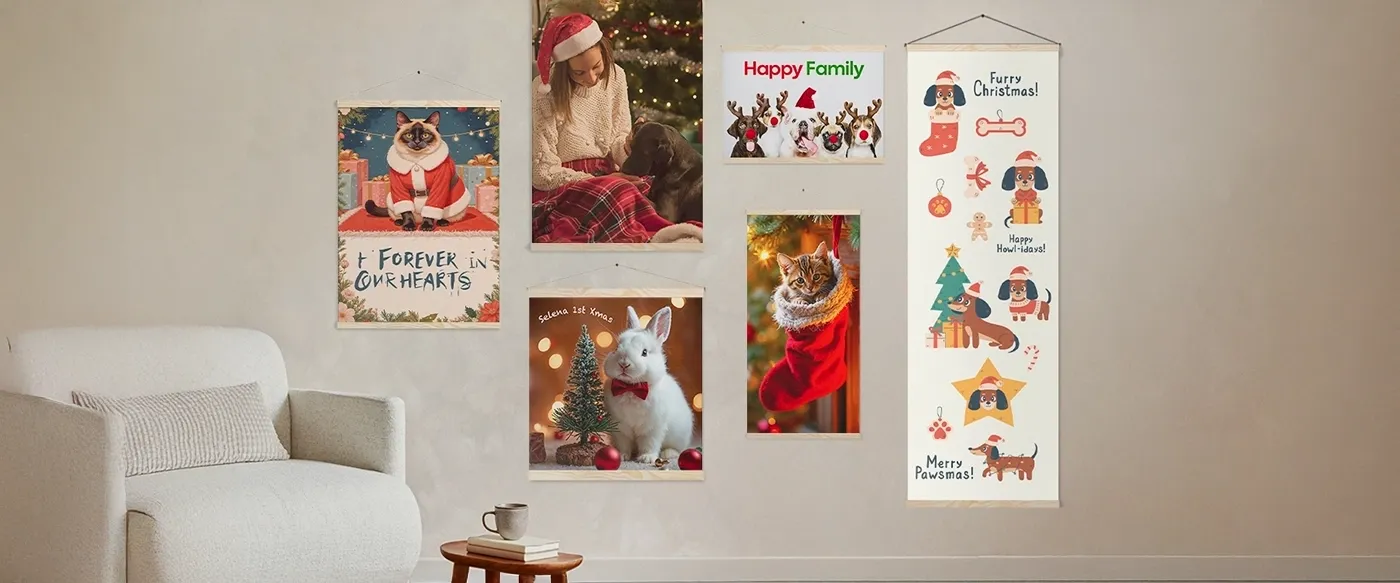
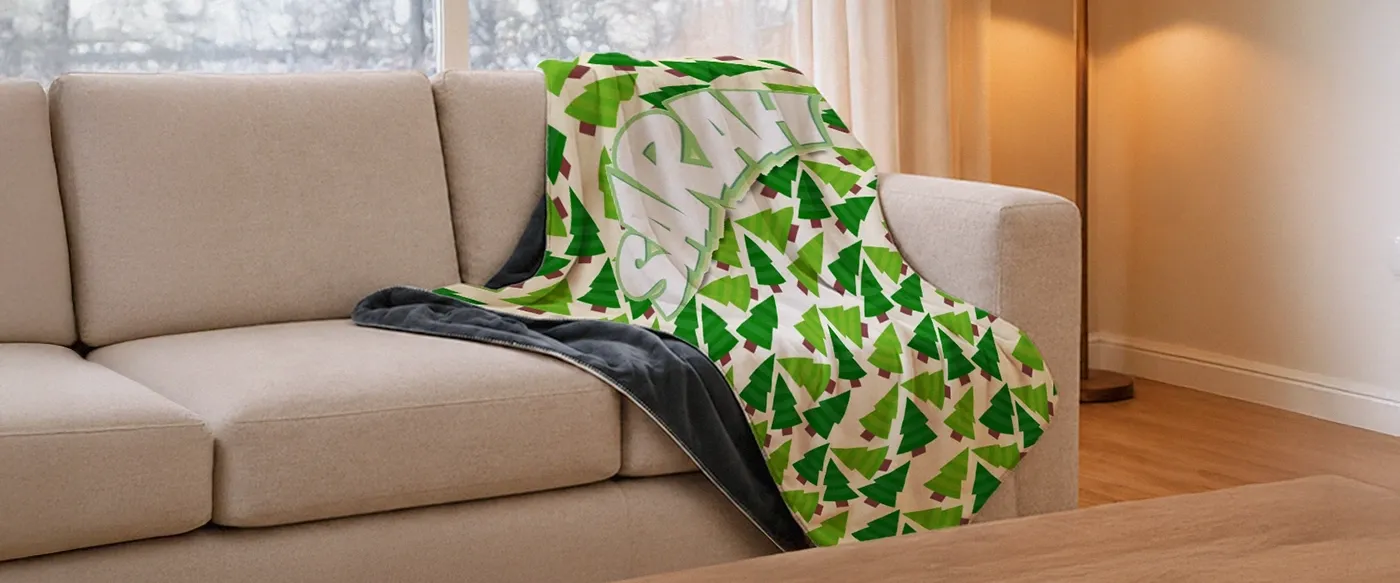
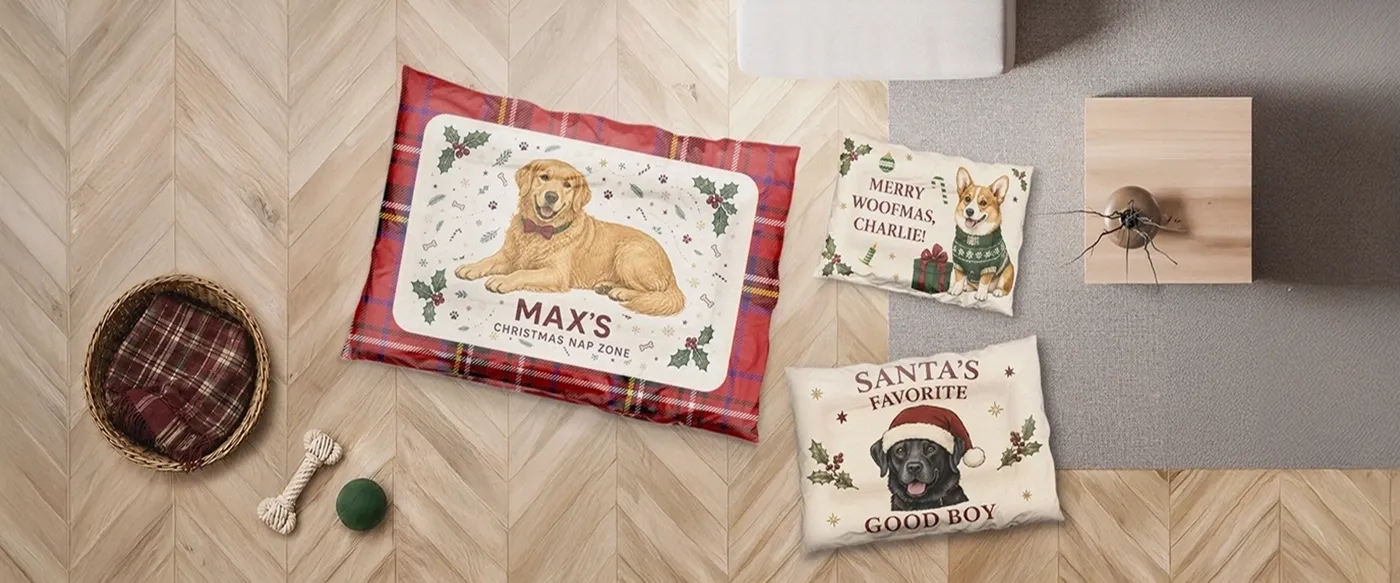
merchOne is a print-on-demand manufacturer specializing in wall art and home décor, with production across four facilities in Poland, Germany, Latvia, and Columbus, Ohio. Sellers can build products across wall decoration formats for Etsy and Shopify sellers, print-on-demand home décor and accessories, print-on-demand blankets for gift collections, apparel, mugs, photo gifts, and pet products.

FAQ: Business License for Etsy Sellers

Do you need a business license to sell on Etsy?

Etsy does not require a business license just to open a shop, but local or state governments may require one once the seller operates commercially. Requirements depend on the seller’s location, business structure, and tax obligations.

Do Etsy sellers need a seller’s permit?

Some Etsy sellers need a seller’s permit or sales tax permit, depending on state rules and sales tax obligations. Marketplace facilitator laws may mean Etsy collects and remits sales tax for many transactions, but sellers should still check whether their home state requires registration.

Is an LLC the same as a business license?

No. A business license allows commercial operation, while an LLC is a legal entity that can help separate personal assets from business liabilities. An Etsy seller may need permits even after forming an LLC, because an LLC does not replace licensing or tax registration.

Can Etsy sellers use an SSN instead of an EIN?

Sole proprietors can often use a Social Security Number for tax reporting, but an EIN can be useful for privacy, banking, supplier accounts, and business records. An EIN is also commonly used when forming an LLC or opening a business bank account.

When should an Etsy seller form an LLC?

An Etsy seller should consider forming an LLC when the shop becomes a serious business, revenue grows, supplier relationships expand, or the catalog carries legal risk. POD sellers with design, copyright, or product liability exposure should review LLC formation earlier than casual hobby sellers.

Build a Compliant POD Business with merchOne

Business registration, tax records, and fulfillment structure become more important as an Etsy shop grows. Sellers do not need to solve everything before listing a product, but they should build cleaner systems before sales volume, IP risk, or supplier relationships scale.

With merchOne, sellers can connect through the Shopify app, REST API, or Order Desk for multi-channel POD order routing, route orders from 30+ e-commerce platforms, and build white-label POD catalogs across wall art, home décor, apparel, blankets, mugs, photo gifts, and pet products.

For setup and fulfillment details, sellers can use the Help Center guides for how to start selling with merchOne, step-by-step integration guides for Shopify, API, and Order Desk, and merchOne’s shipping policy for print-on-demand orders. For account and store compliance, review merchOne’s privacy policy and terms of service.

author avatar
Ngan Le SEO Specialist
SEO Specialist in the ecommerce and fulfillment industry, focused on driving organic growth and optimizing marketing campaigns to maximize sustainable sales performance. Passionate about data-driven strategies, search optimization, and conversion improvement to help brands scale effectively.
Start today