


DTG vs DTF Printing: What Print-on-Demand Sellers Need to Know
Today, print-on-demand sellers have two main options for creating custom apparel: Direct-to-Garment (DTG) and Direct-to-Film (DTF) printing. Both methods offer specific benefits for different products and business needs, but choosing between them isn’t always simple.
As a print-on-demand seller, understanding these printing methods helps you:
- Pick the right products for your store
- Set proper customer expectations
- Make informed decisions about pricing
- Ensure product quality meets your standards
In this guide, we’ll break down how DTG and DTF printing work, compare their strengths and limitations, helping you understand which method works best for different print-on-demand products. We’ll focus on practical information you can use to make better choices for your business and customers.
The Basics of DTG: A Print-on-Demand Essential
Direct-to-Garment (DTG) printing works like a regular printer for fabric. Instead of putting ink on paper, DTG printers spray water-based ink directly onto garments. This method has become popular in print-on-demand because it handles detailed designs well and works efficiently for single-item orders.
How DTG Printing Works
The DTG printing process follows these steps:
- The garment gets sprayed with a pre-treatment solution
- The pre-treatment is dried to prepare the surface
- The printer applies white ink as a base layer (for dark garments)
- The printer sprays the colored inks to create the design
- The garment goes through a heat press to set the ink
Best Uses in Print-on-Demand
DTG printing works particularly well for:
- Detailed designs with many colors
- Photo-realistic prints
- Small batch orders
- Cotton and cotton-blend garments
- Light-colored clothing
The method produces soft prints that feel like part of the fabric, making it ideal for t-shirts, hoodies, and other cotton-based products that customers wear regularly.
DTF Printing: How This Newer Method Works
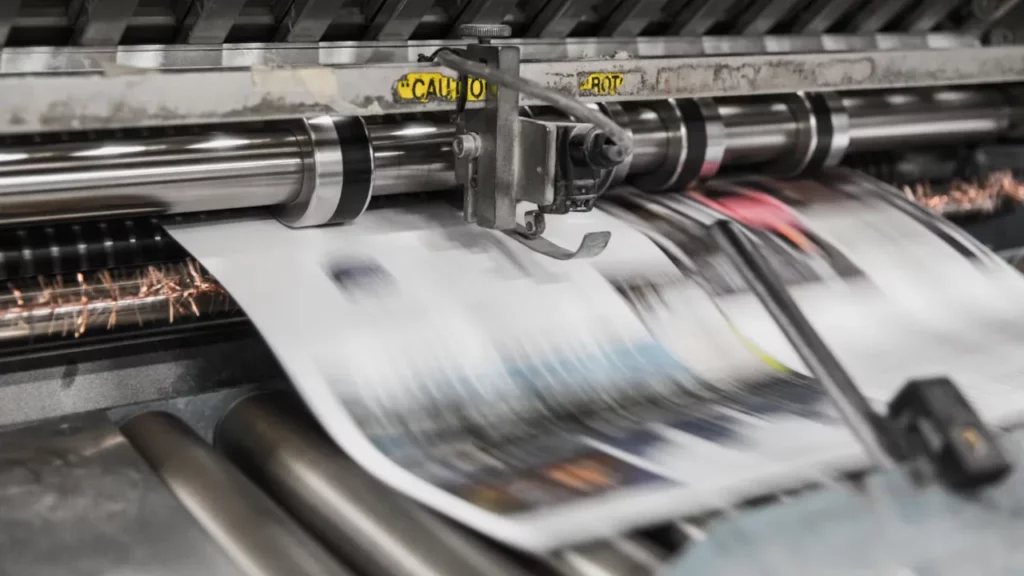
Direct-to-Film (DTF) printing is a newer method that uses a special transfer film as an intermediate step. Instead of printing directly on garments, this process prints the design on a film first, then transfers it to the product. This extra step creates some unique advantages for print-on-demand sellers.
How DTF Printing Works
The DTF printing process includes these steps:
- The printer applies ink to a special transfer film
- A powder adhesive gets sprayed on the wet ink
- The film goes through a drying process
- The dried design transfers to the garment using heat and pressure
- The transfer film peels off, leaving the design on the product
Best Uses in Print-on-Demand
DTF printing shows its strengths with:
- Dark-colored garments
- Various fabric types (cotton, polyester, nylon, blends)
- Designs that need bright, vibrant colors
- Products that require durable prints
- Items that get heavy use
This method creates a slightly thicker print that sits on top of the fabric, making it resistant to washing and wear. It works well for sports jerseys, workout gear, and products that need extra durability.
DTG vs DTF: What Really Makes Them Different
Let’s compare DTG and DTF printing across key factors that matter most for print-on-demand sellers.
Print Results: How Each Method Performs
| DTG Printing | DTF Printing |
|---|---|
| Creates soft, detailed prints | Produces bright, bold colors |
| Works best for photographic images | Works equally well on light and dark fabrics |
| Shows fine lines and small text clearly | Creates consistent, solid color areas |
| Colors can look slightly muted on dark fabrics | Handles medium-detail designs well |
| Prints feel like part of the garment | Prints have a slight raised feel |
Which Fabrics Work Best With Each Method
| DTG Printing | DTF Printing |
|---|---|
| Best results on 100% cotton | Works on most fabric types |
| Good results on cotton blends (minimum 80% cotton) | Good results on cotton, polyester, and blends |
| Limited success on synthetic fabrics | Suitable for nylon and synthetic materials |
| Not suitable for nylon or water-resistant materials | Effective on both light and dark fabrics |
| Works well on light-colored fabrics | Can print on water-resistant materials |
Making Prints Last: Durability and Care Tips
| DTG Printing | DTF Printing |
|---|---|
| Wash inside-out in cold water | More resistant to washing |
| Prints may fade slightly over time | Maintains color vibrancy longer |
| Can withstand normal wash cycles | Can handle frequent washing |
| Needs gentle drying | Suitable for regular drying |
| Lasts best with proper care | Better for items that need frequent washing |
Cost and Production: What to Expect
| DTG Printing | DTF Printing |
|---|---|
| Perfect for small orders | Efficient for medium to large orders |
| Faster setup time | Takes longer to set up |
| Lower cost for simple designs | Consistent costs across colors |
| Higher cost for designs with white ink | More economical for dark garments |
| Good for testing new products | Better for established product lines |
This comparison helps print-on-demand sellers match each printing method to specific products and business needs. Consider these differences when choosing products for your store and setting customer expectations about quality and care.
The Environmental Side: Sustainability Compared
Print-on-demand sellers often need to answer customer questions about environmental impact. Here’s how both printing methods compare in terms of sustainability.
DTG Printing
- Uses water-based inks that contain fewer chemicals
- Creates minimal waste since it prints only what’s needed
- Requires no extra materials beyond the garment and ink
- Uses more water during the pre-treatment process
- Needs less white ink compared to DTF
DTF Printing
- Requires transfer films, creating additional material waste
- Uses more ink per print, especially white ink
- Transfer films aren’t typically recyclable
- Creates consistent results with less test printing
- Needs less water in the printing process
Both methods offer environmental benefits compared to traditional bulk printing because they:
- Print only what customers order
- Reduce excess inventory waste
- Lower shipping impact through local production
- Minimize chemical use compared to screen printing
For print-on-demand sellers focused on sustainability, DTG printing typically offers the more environmentally conscious choice due to its reduced material waste and water-based inks.
Making Your Choice: Which Method Fits Your Needs
Both DTG and DTF printing offer specific advantages for print-on-demand sellers, and your choice will depend on what you want to achieve with your product line.
DTG printing stands out as the ideal choice when your products focus on detail and comfort. If you’re selling fashion items where print quality and fabric feel matter most, DTG delivers excellent results. The method excels with cotton products and creates prints that become part of the garment, perfect for everyday wear. It’s also the better choice if environmental impact matters to your customers, thanks to its minimal waste and use of water-based inks.


The WU33B is a forward-thinking addition to any merch line, balancing style, comfort, and sustainability. Made with organic/organic-in-conversion cotton plus recycled polyester, it reflects B&C’s commitment to responsible sourcing. And with certification from OEKO-TEX® and Fair Wear, this hoodie is as ethically sound as it is print-ready.
Whether you’re just starting out in POD or you’re a well-established player, the WU33B provides the variety and reliability to anchor your product offer. Its conscious manufacturing credentials make it a great selling point for eco-aware buyers, while the smooth surface and durable fleece guarantee excellent print performance.


The 18500 Gildan hoodie is a relaxed grab-and-go favorite with multi-season appeal. The classic fit & seamless body provide effortless wearability, while the generous pouch pocket double-lined hood with drawcord put the accent firmly on cozy.
Made using MVS (Murata Vortex Spinning) technology, the cotton-poly fabric offers a smooth face & excellent pilling resistance: a combination ideal for custom-printed merch.
Cuffs & hems feature a 1×1 rib with spandex, allowing free movement & maintaining structure even after heavy wear. Dyes are certified low-impact by OEKO-TEX®, so your customers can buy with confidence.

The SF000 is a cornerstone of the Gildan Softstyle range. A classic fit with broad unisex appeal and a smooth fabric surface make it perfect for customized apparel offerings. Meanwhile the cozy medium-weight fleece and well-judged spandex additions at cuffs and waistband ensure long- lasting comfort.
Whether worn solo or layered, this Gildan sweatshirt balances casual style with print-friendly design, making it an excellent choice for sellers looking for a comfortable all-rounder with durable print performance.
On the other hand, DTF printing proves its worth when durability and versatility are your priorities. This method shines when you need vibrant prints on dark materials or want to offer products made from various fabric types. If your product line includes active wear or items that need to withstand frequent washing, DTF’s more robust prints will serve you well. The consistency of results across different materials also makes it valuable for sellers with diverse product catalogs.
For most print-on-demand sellers just starting out, DTG printing offers the most practical entry point. Its lower costs for small orders and wider market acceptance make it easier to test new products and build your business. As your store grows and you better understand your customers’ needs, you can strategically add DTF-printed products to expand your offerings.
Keep in mind that success with either method depends on more than just the printing technology. The quality of your designs, the proper preparation of your files, and how well you match products to your target market all play crucial roles in customer satisfaction. Consider these factors alongside the printing method as you develop your product strategy.