Horizontal purple gradient banner transitioning from blue-purple to pink-purple, used as a background Horizontal purple gradient banner transitioning from blue-purple to pink-purple, used as a background
Local Production Sites in the USA & EU!
No customs fees and delays - just fast and effective fulfilment to scale!


More than 500,000 premium products manufactured daily for commercial and private customers.

Explore
FEATURE
Back to All Posts
Print-on-Demand 101

Personalized vs. Customized: What the Difference Actually Means for Print on Demand Sellers

Personalized and customized products are not the same thing. In print on demand, personalization usually means the seller uses buyer data to make the shopping experience more relevant. Customization means the buyer changes the product itself before checkout. That difference matters because each strategy needs a different setup. Personalization needs data, segmentation, and marketing automation. Customization needs product input fields, preview tools, design templates, and a fulfillment workflow that can pass buyer-specific details into production.

For POD sellers, the strongest approach is often both: let the buyer customize the product, then use what they bought to personalize future recommendations, emails, and product offers.

Personalized vs. Customized: What the Difference Means for POD Sellers • merchOne

Key Takeaways for POD Sellers

The fastest way to separate the two terms is this: personalization changes the buying experience, while customization changes the product. Sellers need to know which one they are building before choosing tools or writing product copy.

  • Personalization is seller-led: the store uses buyer data to show relevant products, emails, and recommendations.
  • Customization is buyer-led: the customer adds a name, photo, date, color, message, or other product-specific input.
  • Best direct AOV driver: customization, because buyers often pay more for products that feel made for them.
  • Best repeat-purchase driver: personalization, because it helps sellers follow up with relevant add-ons or related products.
  • Best POD categories: pet gifts, wedding gifts, family keepsakes, memorial products, wall art, mugs, blankets, and photo gifts.
  • Main operational risk: customized products can break fulfillment if buyer data is not passed cleanly into production.

Quick Answer Table: Personalized vs. Customized

Both strategies can improve sales, but they work at different points in the customer journey. Sellers should use customization to make the product specific, and personalization to make the shopping experience more relevant.

FactorPersonalizationCustomizationPOD seller takeaway
Who initiates itSeller or systemBuyerKnow whether the work happens in marketing or product setup
What changesShopping experienceProduct detailsUse personalization for relevance and customization for product value
Buyer actionPassiveActive inputCustomization needs clear fields and preview logic
Tools neededCRM, email platform, analyticsProduct options, preview tools, order data handoffThe infrastructure is different
POD exampleRecommend a matching pet pillow after a dog canvas purchaseLet the buyer upload a dog photo and add the pet nameUse both for stronger lifecycle revenue

What Personalization Means in Print on Demand

Personalization is the seller’s use of buyer data to create a more relevant shopping experience. The buyer does not have to configure the product. The store uses signals such as past purchases, browsing behavior, location, product category, or occasion to decide what to show next.

In a POD store, personalization may look like recommending a matching pillow after someone buys a canvas, sending a pet memorial follow-up to a buyer who ordered a dog portrait, or showing local shipping messaging based on the buyer’s region. The product does not change. The experience around the product changes.

This is easier for Shopify sellers than Etsy-only sellers because Shopify gives more control over email flows, customer segments, on-site recommendations, and product merchandising. Etsy still provides marketplace discovery, but sellers have less direct control over personalized journeys.

What Customization Means in Print on Demand

Customization is when the buyer changes the product before purchase. They may add a name, upload a photo, choose a background color, enter a date, select a layout, or write a message.

This is where many high-margin POD products become valuable. A generic pet canvas is one product. A dog portrait with the buyer’s pet photo, name, date, and custom background becomes a product made for one person. That emotional specificity is what makes custom gifts easier to price above non-custom versions.

Customization needs clean operations. The storefront must collect buyer input correctly, the preview should reduce mistakes, and the order data must reach the fulfillment partner without manual rework. Sellers using merchOne can connect workflows through the Shopify app, REST API, or Order Desk for multi-channel POD order routing.

The Real Difference: Experience vs. Product

The simplest distinction is this: personalization helps the buyer find the right product, while customization helps the buyer make the product their own.

A personalized store might show a wedding buyer anniversary gifts later. A customized product lets that same buyer add names, a wedding date, and a photo to the item before checkout. Both can increase revenue, but they do not solve the same problem.

Confusing the two creates bad strategy. A seller may invest in email automation when the product itself still feels generic. Or they may build a customizable product but never follow up with relevant recommendations. The best POD sellers connect both layers.

When POD Sellers Should Use Personalization

Personalization works best after the seller has buyer signals to work with. That usually means orders, product category data, email subscribers, browsing behavior, or customer tags.

Post-Purchase Recommendations

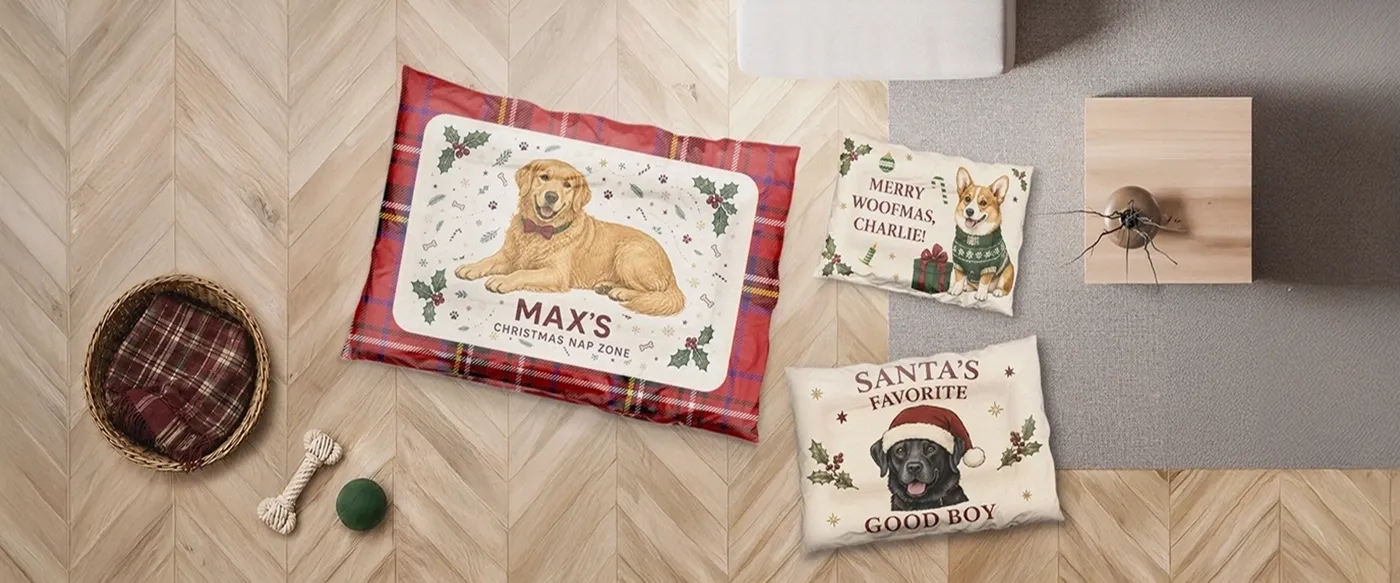
A buyer who purchases a pet portrait canvas may also want a pet pillow, dog bowl, blanket, or framed print. A post-purchase email should not show the entire catalog. It should show products connected to the original purchase. Sellers can build this logic across wall decoration formats for personalized gift stores, print-on-demand home décor and accessories, and pet-related products.

Email Segmentation

Email segmentation helps sellers avoid generic broadcasts. A pet memorial buyer, a wedding gift buyer, and a family heritage buyer should not receive the same message. Each has a different emotional context and a different next product.

Returning Customer Experience

Returning buyers should see products related to what they already purchased. A customer who bought a framed poster may be ready for a matching canvas, mug, blanket, or pillow. Personalization helps the store feel curated instead of random.

When POD Sellers Should Use Customization

Customization should be used when the buyer’s personal detail is the reason to buy. This is especially true for gift categories where names, dates, photos, locations, and relationships carry the value.

Pet and Memorial Gifts

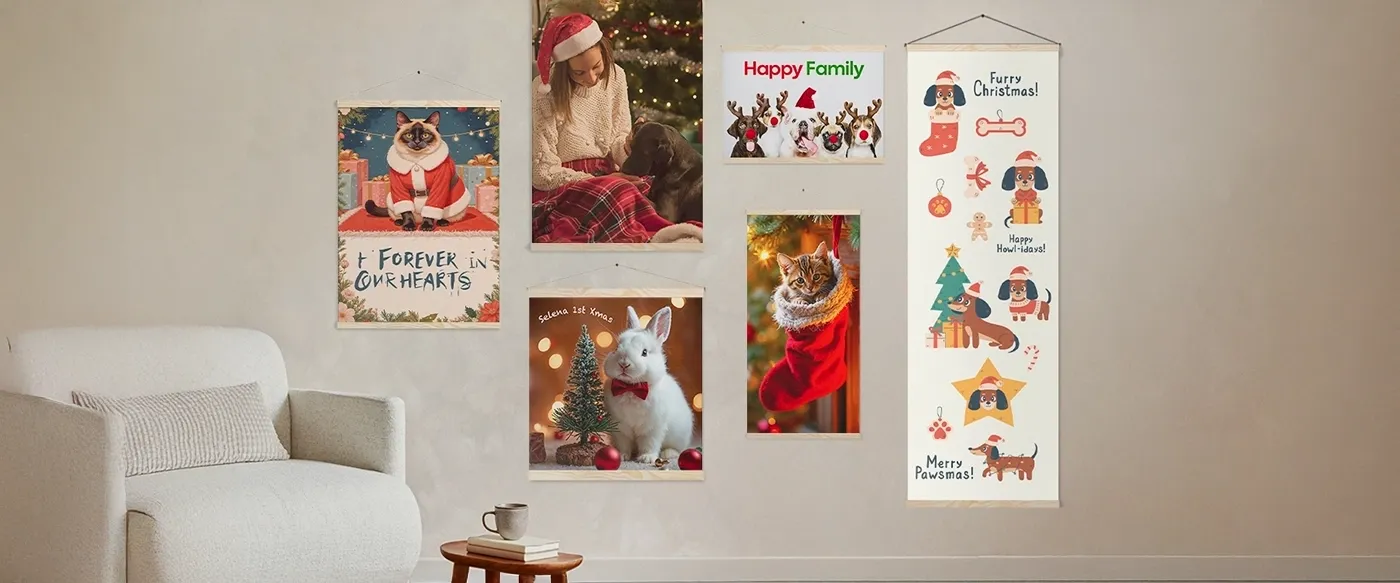
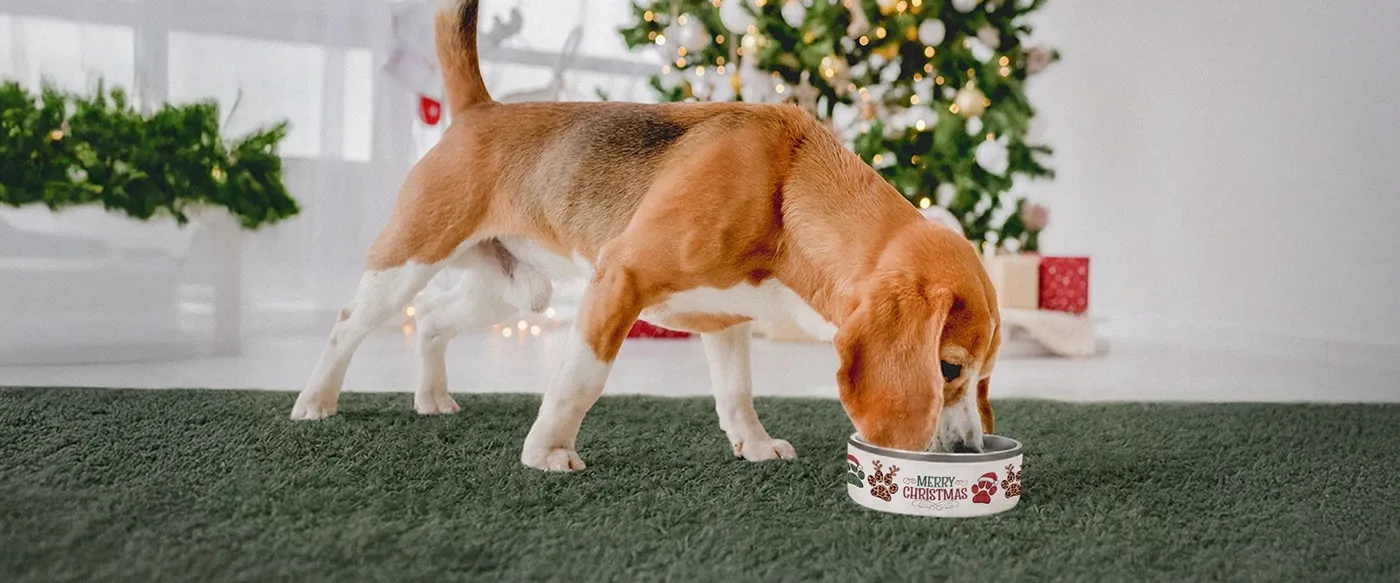
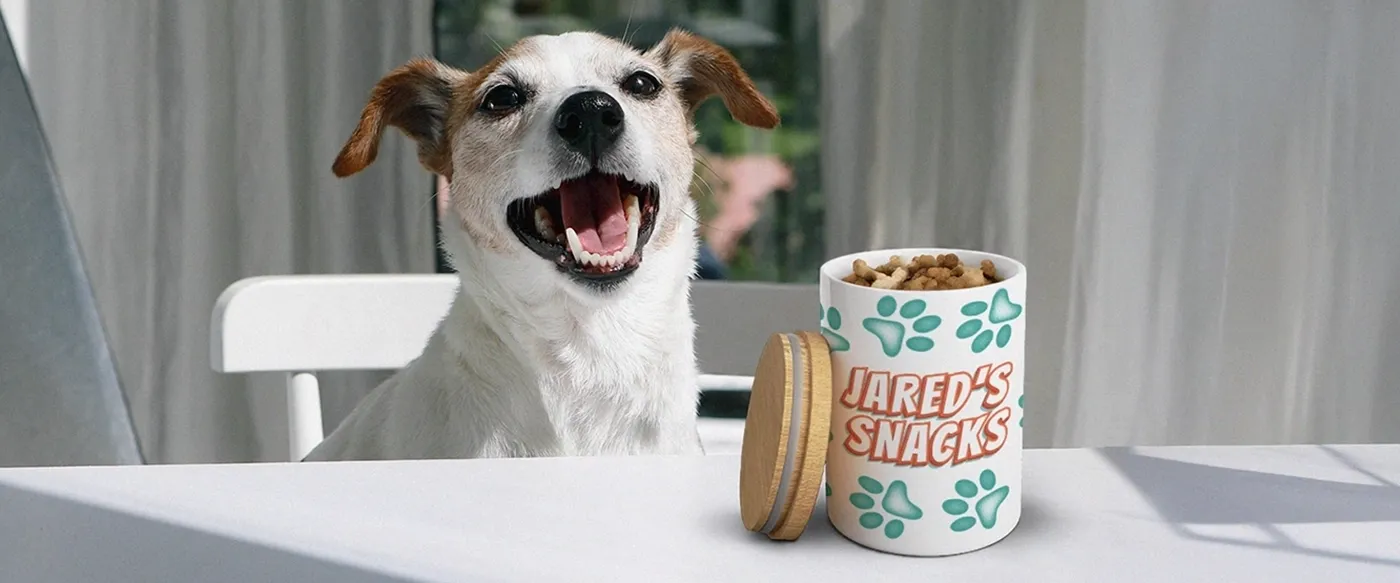
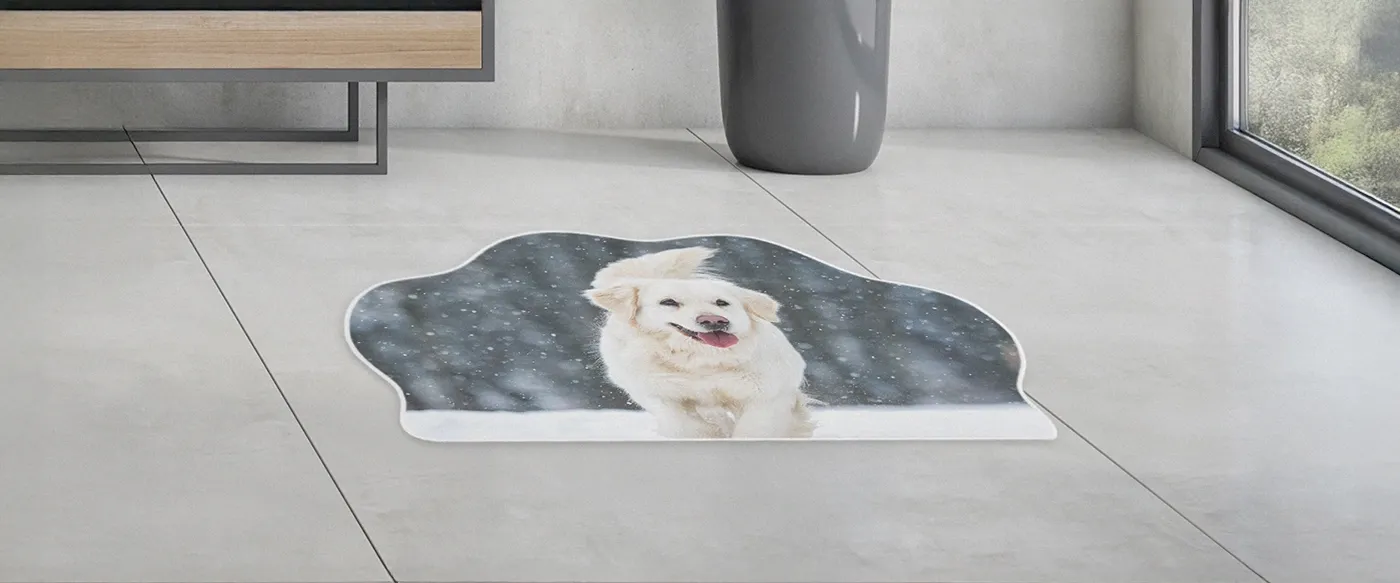
Pet gifts are one of the clearest customization use cases. A pet name, photo, breed, date, or memorial message can turn a standard product into a personal keepsake. These ideas can extend into print-on-demand pet products for dog bowls, paw rugs, pet pillows, and treat jars.

Wedding, Anniversary, and Family Keepsakes

Wedding and family products often need dates, names, locations, vows, family trees, or photos. A fixed design can look nice, but a customized version gives the buyer a reason to pay more because the product is tied to their story.

Seasonal Products

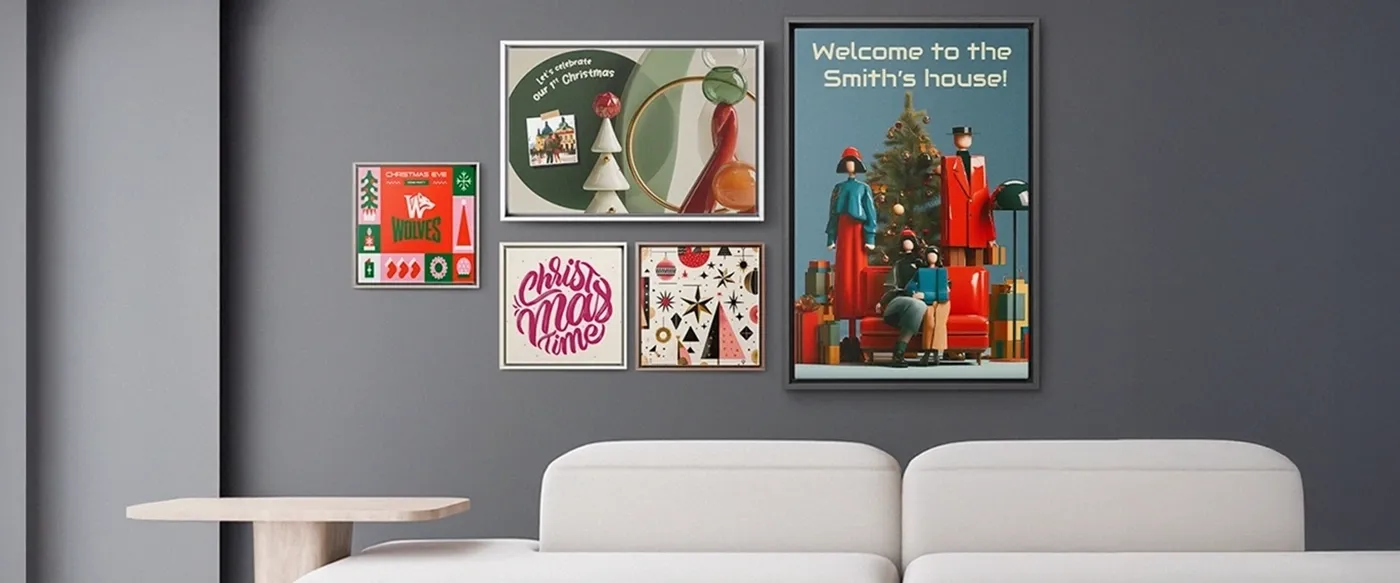
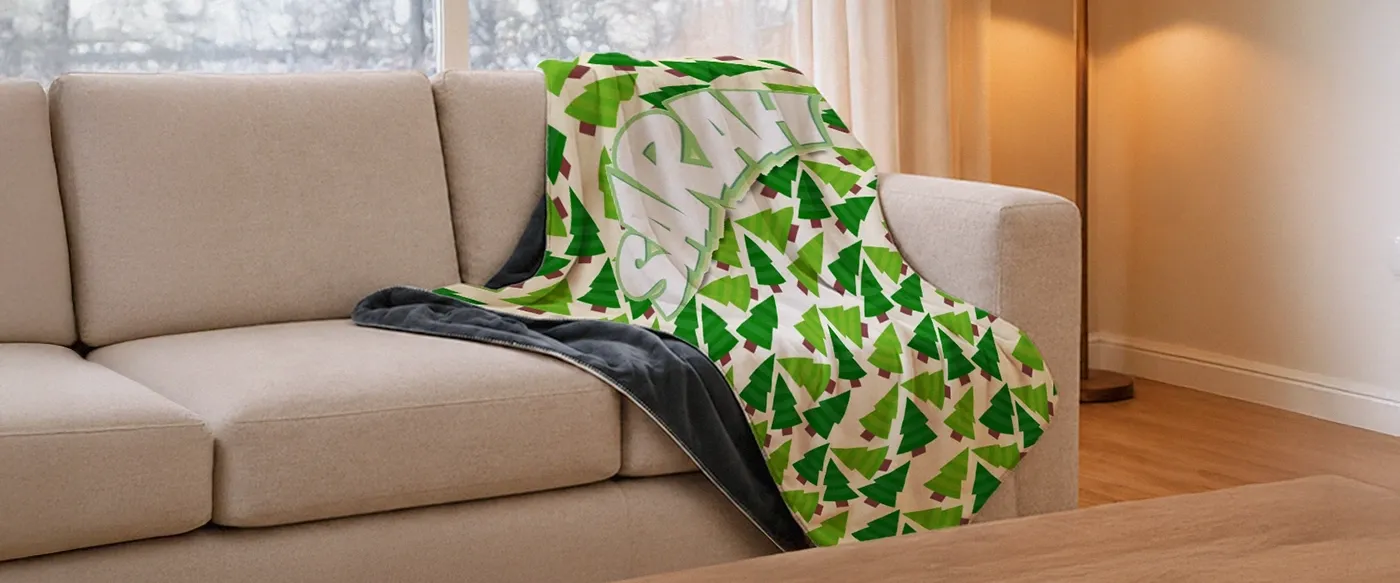
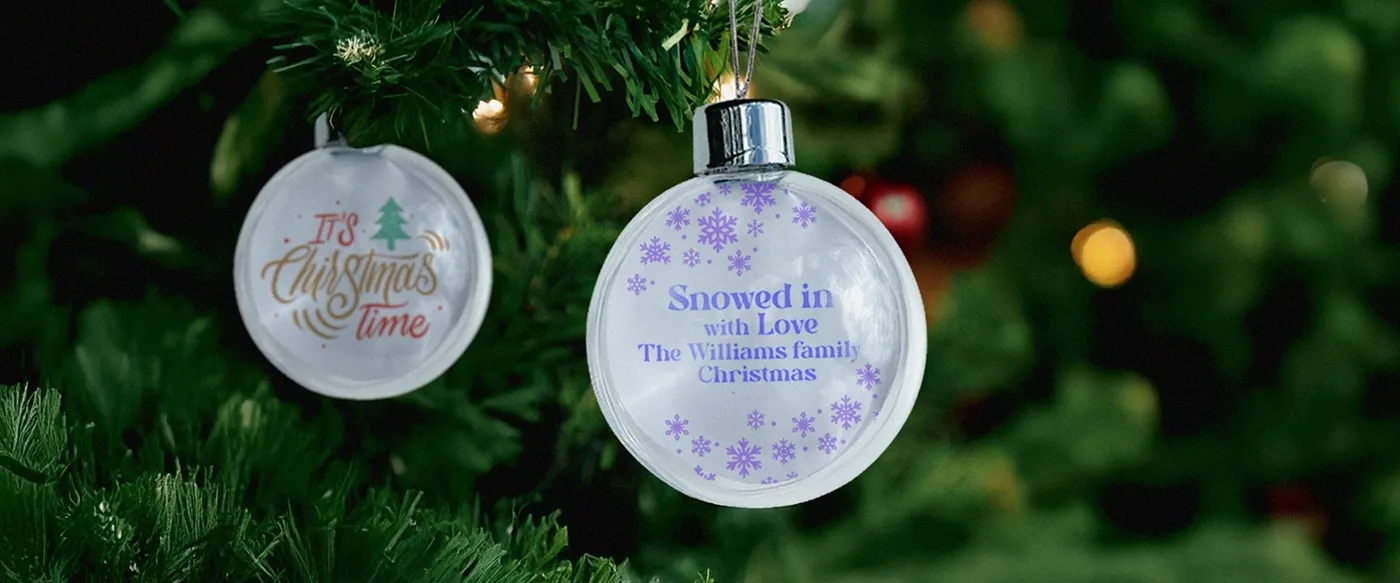
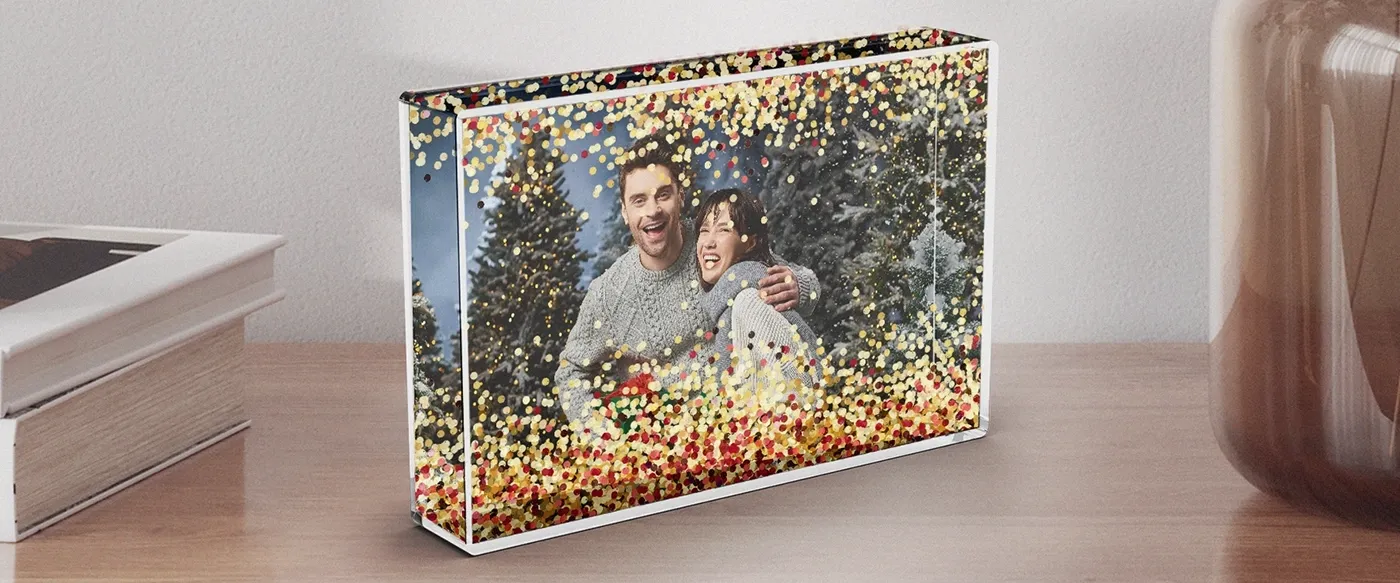
Customization helps seasonal products scale without creating hundreds of SKUs. One ornament, mug, frame, or blanket template can support many names, dates, and gift messages. Sellers can use print-on-demand blankets for gift and home décor collections as one format for personalized seasonal ideas.

Why the Best POD Niches Use Both

Personalization and customization work best as a loop. Customization creates the first high-intent purchase. Personalization uses that purchase data to recommend the next relevant product.

For example, a buyer customizes a pet portrait canvas with a dog photo and name. That order tells the seller something useful: the buyer cares about pet keepsakes. Later, the seller can recommend a pet pillow, pet blanket, dog bowl, or memorial frame. The first product is customized. The follow-up is personalized.

This is why gift-led POD niches such as pet memorial, wedding, newborn, family heritage, and anniversary products often perform better when both layers are built together.

Implementation Checklist for POD Sellers

Before adding personalization or customization, sellers should decide which part of the business they are improving: the product, the marketing, or the post-purchase experience.

GoalUse personalization when…Use customization when…
Increase first-order valueYou can recommend bundles or related productsThe buyer can add a name, photo, date, or message
Increase repeat purchasesYou have purchase history and email segmentsThe buyer may return to update a product for a new occasion
Reduce generic competitionYou can show more relevant products than broad marketplace searchThe finished product becomes unique to the buyer
Scale operationsYour CRM and email tools use clean customer tagsYour order data passes automatically into fulfillment

Data Privacy and Buyer Trust

Both strategies use customer information, so sellers need clear data practices. Personalization may rely on purchase history, email behavior, location, or browsing data. Customization may collect names, dates, photos, pet details, memorial messages, or other sensitive customer inputs.

That means sellers should have clear privacy language, consent practices, opt-out options, and a process for handling uploaded images or personal text. This is especially important for EU-facing sellers under GDPR and California-facing sellers under CCPA. Strong buyer trust is part of the product experience, not an afterthought.

How merchOne Fits Personalized and Customized POD Workflows

merchOne fits personalized and customized POD workflows because sellers can build products across wall art, home décor, blankets, mugs, apparel, photo gifts, and pet products while routing orders through connected systems. That matters when buyer-specific data must move cleanly from storefront to production.

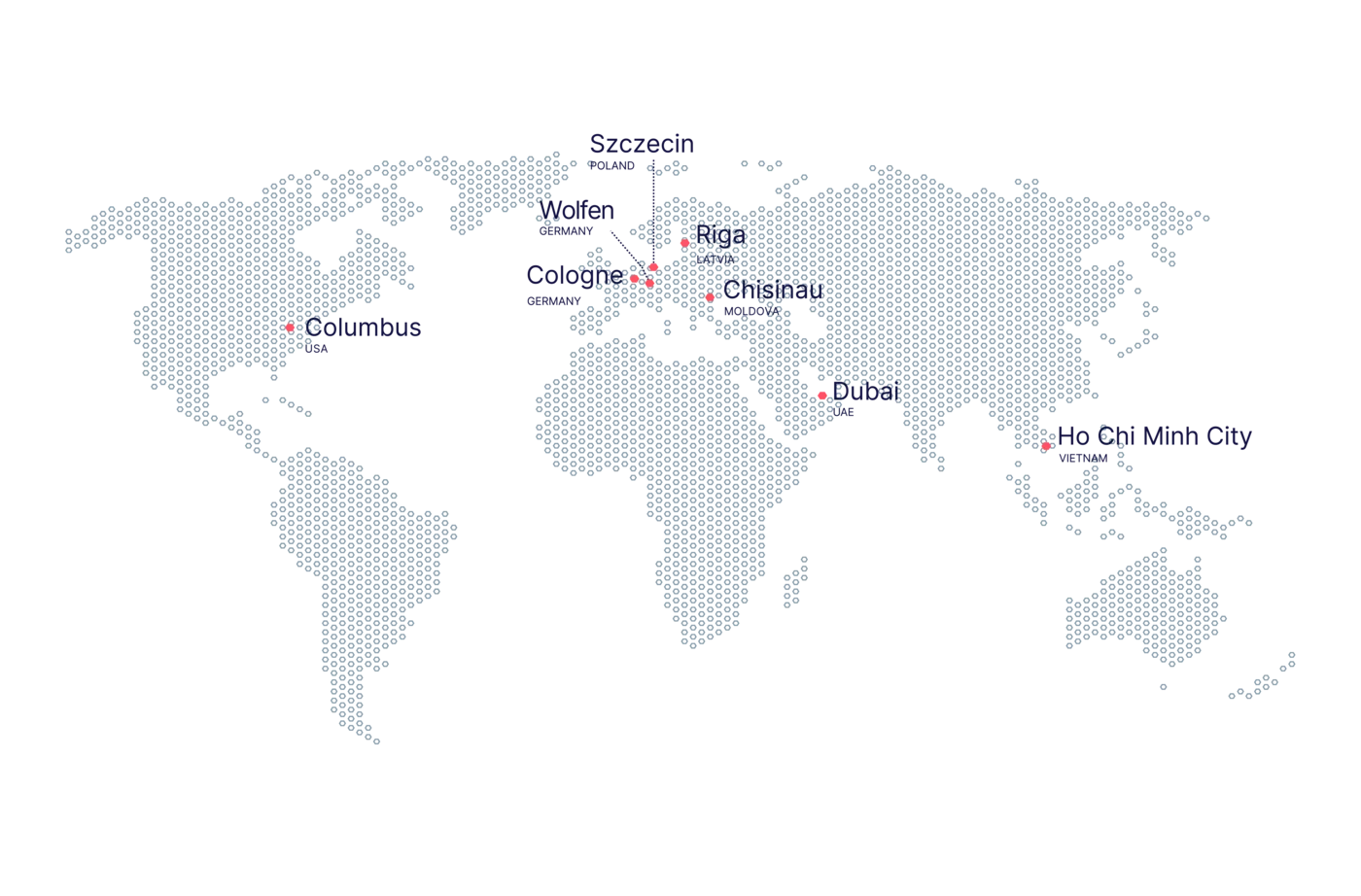
merchOne is a print-on-demand manufacturer specializing in wall art and home décor, with production across four facilities in Poland, Germany, Latvia, and Columbus, Ohio. Sellers can connect through the Shopify app, REST API, or Order Desk for multi-channel POD order routing, then build catalog ideas across wall decoration formats for personalized gift stores, print-on-demand home décor and accessories, print-on-demand blankets for custom gifts, and print-on-demand pet products for personalized pet niches.

FAQ: Personalized vs. Customized Products

What is the difference between personalized and customized products?

Personalization changes the shopping experience based on buyer data, while customization changes the product itself through buyer input. In POD, personalization may mean recommending a matching product after purchase. Customization may mean letting the buyer add a name, photo, date, or message before checkout.

Which is better for print on demand sellers?

Customization usually has the more direct impact on product value because buyers pay more for products made around their name, photo, date, or occasion. Personalization is better for improving repeat purchases, email relevance, and customer lifetime value. The strongest POD stores use both.

What tools are needed for product customization?

Product customization usually requires input fields, image upload options, product preview tools, design templates, and a fulfillment workflow that can pass buyer-specific data into production. Shopify apps, order-routing tools, and fulfillment APIs can help automate this process.

What POD niches benefit most from customization?

Gift-led niches benefit most from customization, including pet memorial products, wedding gifts, anniversary products, family heritage designs, newborn keepsakes, teacher gifts, and photo-based wall art. These products depend on personal details to create emotional value.

Can personalization and customization work together?

Yes. A buyer may customize a product first, such as a pet portrait with a name and photo. That purchase then gives the seller data to personalize future recommendations, such as matching pillows, blankets, mugs, or pet products.

Build Personalized and Customized POD Products with merchOne

Personalization helps sellers show the right offer. Customization helps buyers create the right product. merchOne supports both with white-label POD fulfillment across wall art, home décor, mugs, blankets, apparel, photo gifts, and pet products.

Connect through Shopify, REST API, or Order Desk, then route personalized order data into production without holding inventory or rebuilding your fulfillment workflow.

Explore merchOne Integrations

author avatar
Ngan Le SEO Specialist
SEO Specialist in the ecommerce and fulfillment industry, focused on driving organic growth and optimizing marketing campaigns to maximize sustainable sales performance. Passionate about data-driven strategies, search optimization, and conversion improvement to help brands scale effectively.