




February may be the shortest month, but it’s packed with events that ignite creativity and sales opportunities for print-on-demand businesses. From Groundhog Day’s whimsical charm to Valentine’s Day’s heartfelt romance, February is a month of anticipation and celebration.
POD sellers can tap into a spectrum of thematic inspirations. Design products expressing love, celebrating friendship on Galentine’s Day, or embracing self-love on Singles Awareness Day. Print-on-demand thrives on celebrating connections, achievements, and the joys of life – and February is brimming with such moments!
February is also a showcase of cultural richness. Tap into the vibrant festivities of the Chinese New Year, the communal spirit of Family Day, and the reflective spirit of President’s Day. This unique blend of romance, cultural celebration, and personal milestones empowers POD sellers to explore diverse themes and connect with a broad customer base.
By harnessing February’s celebratory spirit, your print-on-demand business can offer irresistible products that resonate with the season, delighting customers and making every occasion even more special.
2nd: Will Punxsutawney Phil see his shadow? Groundhog Day (Canada, US)
Every February 2nd, all eyes turn to Punxsutawney, Pennsylvania, for the quirky tradition of Groundhog Day. Will furry weather forecaster Punxsutawney Phil see his shadow, predicting six more weeks of winter, or will his shadowless emergence signify an early spring?
This lighthearted tradition creates a perfect buzz for print-on-demand sellers – let’s get those creative juices flowing!
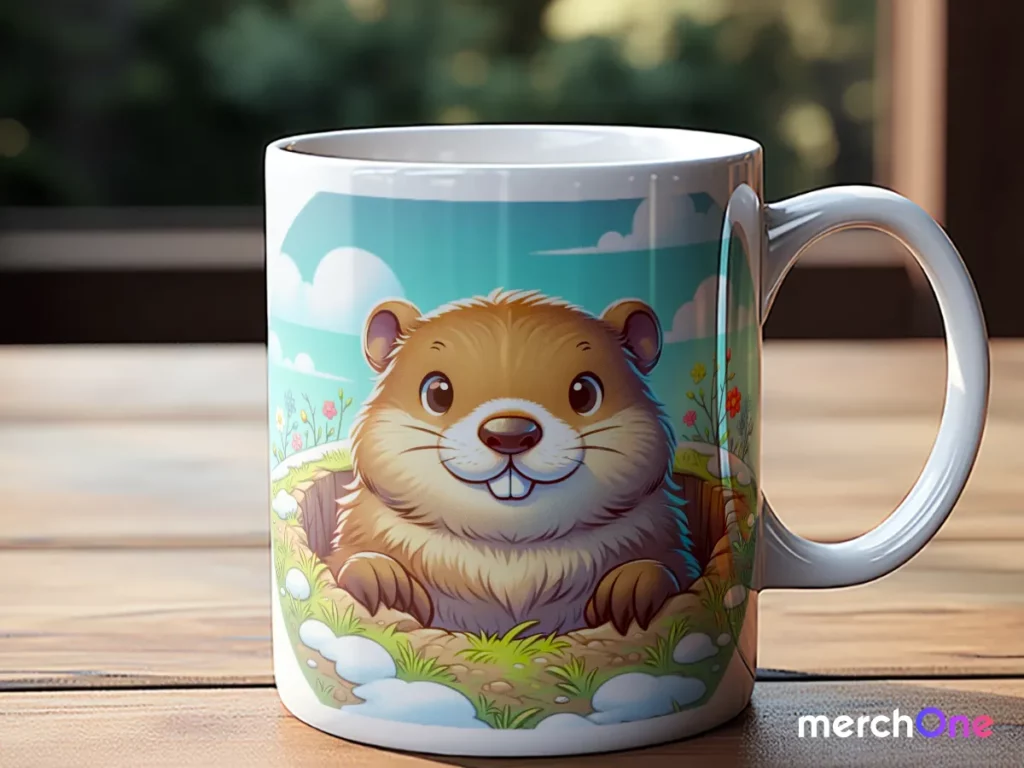
While some might consider Groundhog Day a niche holiday, with a little creativity, POD businesses can leverage it for some fun and unique sales opportunities. Here are some ideas:
General strategies
- Targeted messaging: Connect Groundhog Day puns and references to customizable POD items. For example, “Stuck in a fashion loop? Break the cycle with custom [product name] featuring your own witty Groundhog Day design!”
- Beyond traditional products: Suggest less obvious POD options that can still embody the holiday’s themes.Examples: phone wallpapers, printable wall art, and custom gift tags.
- Community Angle: Encourage audience-sourced designs. “Can you beat Phil at weather puns? The winning slogan gets printed on a mug!”
Product-specific ideas
- Expand clothing: Are there niche audiences specific to the day? Maybe cozy pajamas for those disappointed by a ‘long winter’ prediction? Or upbeat tees celebrating early spring?
- Homeware specificity: Could mugs boast humorous “predictions” with the actual forecast revealed by hot beverages? Think also about playful table decor – placemats, napkins, etc.
- Focus on stationery: This category lets customers spread the fun! Encourage the creation of custom Groundhog Day postcards to send well wishes to friends and family.
- Accessories niche: Think beyond the basics. Eye-catching socks, jewelry with groundhog charms, or tote bags for those venturing to Groundhog Day events!
Additional tips
- Local flavor: Highlight how POD sellers can create designs catering to regional variations of Groundhog Day celebrations. (Different towns may have their own special “groundhogs.”)
- Think ahead: Groundhog Day can inspire products relevant throughout the remaining winter or the transition to spring.
- Results = Growth: Remind sellers that even small experiments provide valuable data to hone future holiday sales strategies.
3th: Celebrating musical excellence with the Grammy Awards (Global)
Roll out the red carpet and crank up the music! February 3th brings the glitz and glamour of the Grammy Awards, honoring the best and brightest in the music industry. For POD sellers, this prestigious ceremony isn’t just about celebration – it’s an explosion of inspiration!
Tap into iconic performances, fan-favorite artists, and trending styles to create unique designs that resonate with music lovers.
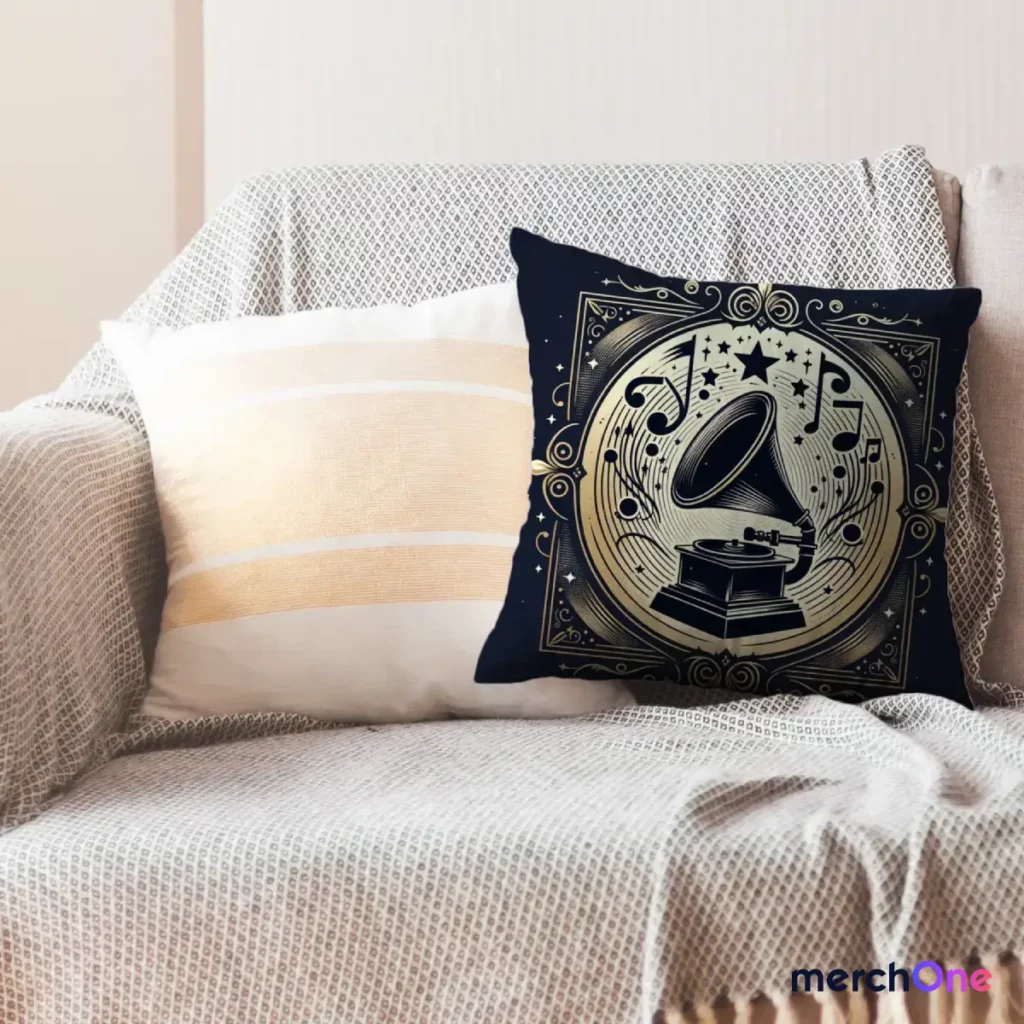
Do you think your design skills deserve a Grammy? With trending artist tributes, witty award-win predictions, and fan-centric products, your POD store will be the after-party everyone’s talking about:
Limited-edition designs
- Indie artist focus: Highlight that POD removes many traditional merch headaches (inventory, bulk orders) for niche artists gaining Grammy buzz. This attracts both their fanbases and sellers alike!
- Award appeal: Emphasize that you can turn “Song of the Year” lyrics into wall art, mugs, etc. Customers want that connection to the winning moment.
- Parody with purpose: Instead of directly targeting famous artists, focus on themes Grammy nominees embody – ambition, artistry, passion – which customers can personalize on products.
Promotional opportunities
- The ‘countdown’ factor: Suggest creating multiple flash sales, each revealing a design inspired by a different category announced. This builds anticipation for the event itself.
- Fan participation: Beyond contests, can customers help choose the most ‘on-trend’ product colors based on red carpet fashions? Or create a word cloud collage from fan predictions?
- Influencer impact: Encourage influencers to style outfits inspired by nominees and accessorize with POD creations. (A “look” showcasing music-themed jewelry, bag, etc.)
Product ideas
- Beyond the basics: Could your apparel cater to music fans as part of their viewing party attire? Fun group designs (“Album of the Year Drinking Team,” etc.)
- Personalized with playlists: Product ideas that let customers integrate Spotify codes for the winning or nominated playlists to become keepsakes of the evening.
- Home recording angle: Grammy wins inspire creators. Designs and products supporting DIY musicians (notepads, custom picks, mic stand decor) tap into this ambition.
- Gift guide twist: “Give The Musician In Your Life Their Own Award! Customize this [product] with their band name, an inspiring quote…”
Additional tips
- SEO power: Include “Grammy Inspired Gifts” or similar keywords in descriptions to organically attract shoppers.
- Leverage the aftermath: Design templates ready for customers to make products about award surprises, fashion wins/fails, and that viral performance moment — speed is key!
9th: Slice, savor, repeat: National Pizza Day (US)
Calling all pizza lovers and POD sellers! February 9th is National Pizza Day, and the opportunity is piping hot! Indulge your creativity with designs celebrating toppings, unique flavor combos, and the pure joy of a perfect slice.
From classic cheese to gourmet creations, this global comfort food fuels endless inspiration for irresistible POD products.
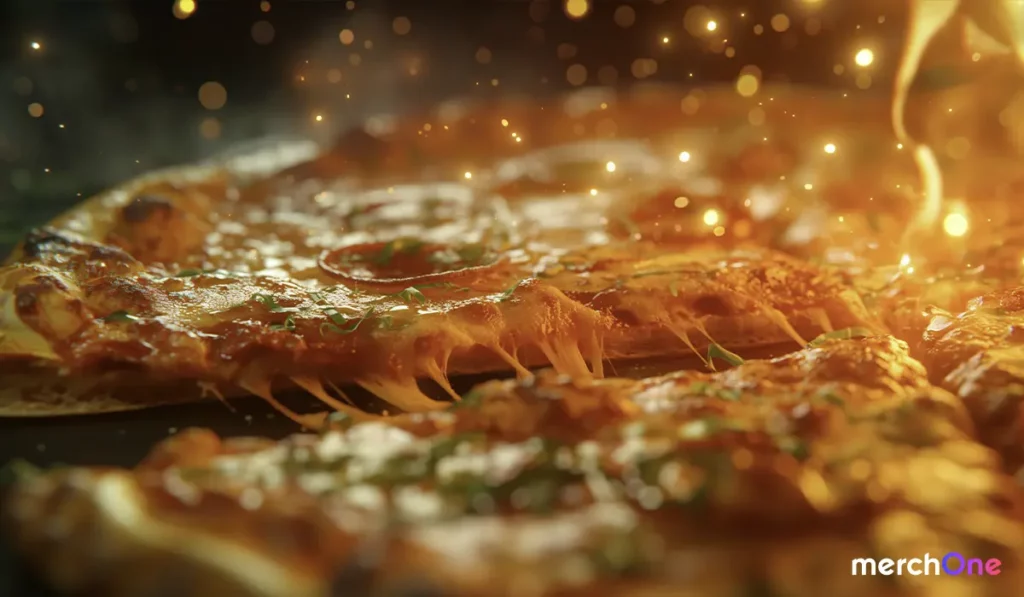
Your POD designs are about to get cheesy (in the best way possible)! National Pizza Day is a saucy opportunity to turn pizza obsessions into profits:
Limited-edition designs
- Hyper-local is HOT: Highlight designs catering to regional pizza styles or famous toppings specific to a city/state. Customers crave that exclusive connection.
- Inside jokes: Beyond general puns, think designs only serious pizza lovers understand (sauce-to-crust ratio debates, pro-fork stances, etc.). This targets enthusiasts.
- Partner power: Emphasize this helps local pizzerias stand out from chains with fun merch (without needing to stock inventory) showcasing their unique style.
Promotional opportunities
- Speed sells: Can sellers create simple “base” pizza designs, where winners (of contests, recipe swaps, etc.) get toppings representing THEIR ideas added and sold for a limited time?
- Pizza DIY: Play off foodie trends. “Mastered Your Sourdough? Perfect Your Pizza Crust With This [customizable apron, oven mitt set, etc.]”
- Beyond the day: Promote “Pizza Night-IN!” bundles for those tired of crowded restaurants.
Product ideas
- Niche & novelty: Could your apparel cater to pizza delivery folks? Humorous designs (“Tip Your Hero”), phone cases with heat-proof pockets, etc.
- Kitchen upgrade: Pizza stones are popular, but what about custom covers? A personalized stone boasts gift potential and is used year-round.
- Decor: Goes beyond kitchen: Think playful prints to liven up game rooms, kid spaces, etc. The wall art of iconic pizza boxes, and vintage pizzeria signs – sets the mood!
- Party PLUS: Those supplies get even hotter with customization options (kid’s birthday with their name “Pete’s Pizzeria Est. 2023”)
Additional tips
- Partner potential: Can sellers cross-promote with sellers offering spice mixes, gourmet sauces, etc., for the most epic pizza night bundle?
- Beyond the obvious: Think products pizza fans use while eating (comfy pants with stain-hiding patterns, “Official Taste Tester” tees for kids…)
9th: Touchdown! Super Bowl Sunday American football glory (US)
POD sellers, get in the game! February 12th brings Super Bowl Sunday, and fans are gearing up to celebrate. From spirited team apparel to fun party decor, the demand for Super Bowl-themed merchandise skyrockets.
Tap into the excitement with winning designs, promotions, and products that bring home the sales gold!
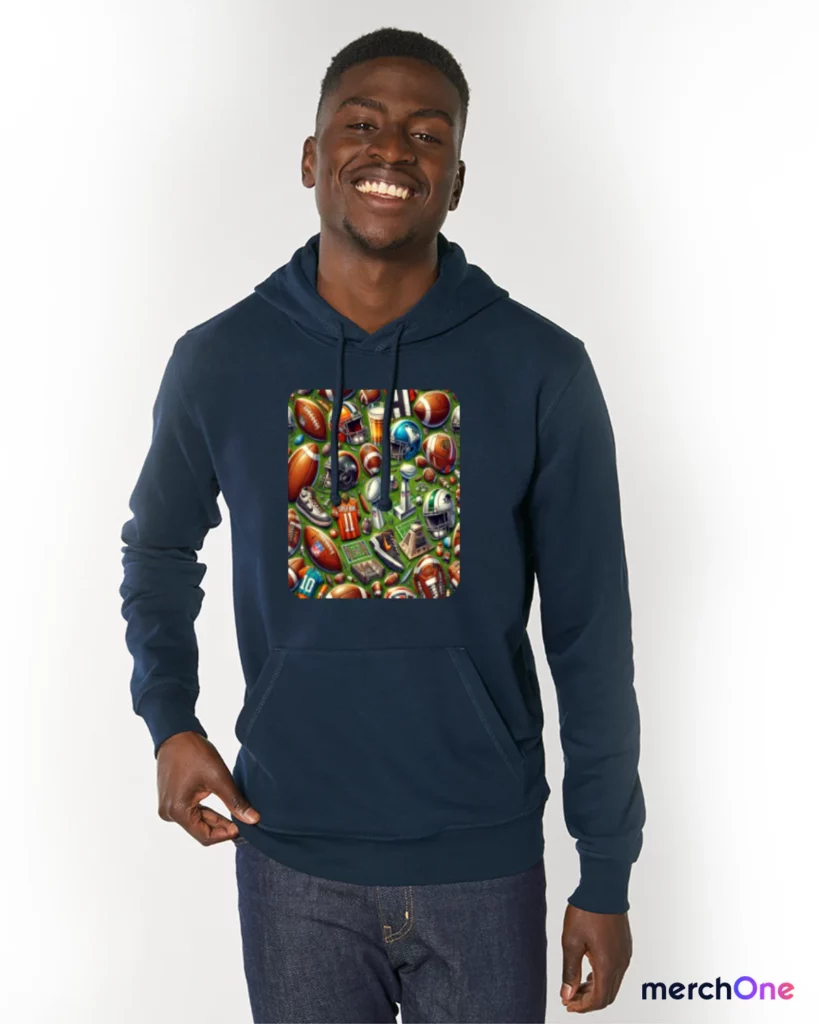
The Super Bowl isn’t just for football – it’s a touchdown opportunity for your POD store! Let’s strategize winning game day products and offers:
Limited-edition designs
- Go local: “Hometown Hero” angles featuring retired players beloved by their city’s team have broad appeal without copyright woes.
- Beyond predictions: Focus on game-day moods. Can designs embody rivalry humor, the stress of close game moments, nail-biter snack needs, etc.? That’s timeless (and less likely to offend losing fans).
- Commemorative with caution: POD’s strength is often personalization. Can sellers include space for customers to add the score, MVP name, etc.? It makes it meaningful even after the game.
Promotional opportunities
- Flash sale finesse: Can they use humor? (“Losing [X] Points Each Quarter? Distract Yourself With XX% Off This Deal”) This works if either team wins!
- The contest gets clever: Instead of simple ‘predictions,’ could contests be about who posts the best Super Bowl ad parody using a POD item? Or whose game-day pet photo wearing their team gear is the funniest?
- Think post-party too: Local places often do Monday ‘relive the play’ specials. A POD seller could partner with the prize being, say, a customized pint glass featuring the winning moment.
Product ideas
- Game day, not team day: Many parties have mixed crowds. Can designs evoke the event itself? Funny referee gear, ‘Instant Replay’ couch throws, etc.
- Host/Hostess hustle: The person throwing the party often buys at the last minute! Items making THEIR setup easy (“Snack Stadium” serving platters) are key.
- Decor = Wearable: Could bold team color scarves, bandanas, etc., easily go from the game to a casual wardrobe afterward? Versatility extends the product’s life.
Additional tips
- Licensing loopholes: Research if teams’ old-school logos fall under fair use. It has a vintage feel without current player/logo problems.
- Partnering power: Could sellers with food-safe items cross-promote with snack delivery services on game day? (“Your Super Spread Deserves This [custom table runner]”)
13th: Celebrating female friendships with Galentine’s Day (US)
February 13th is all about sisterhood! Embrace the fun and warmth of Galentine’s Day with POD products designed to celebrate those special friendships.
From thoughtful gifts to playful inside jokes, tap into the love shared between gal pals, creating one-of-a-kind items that say ‘You’re my person’.
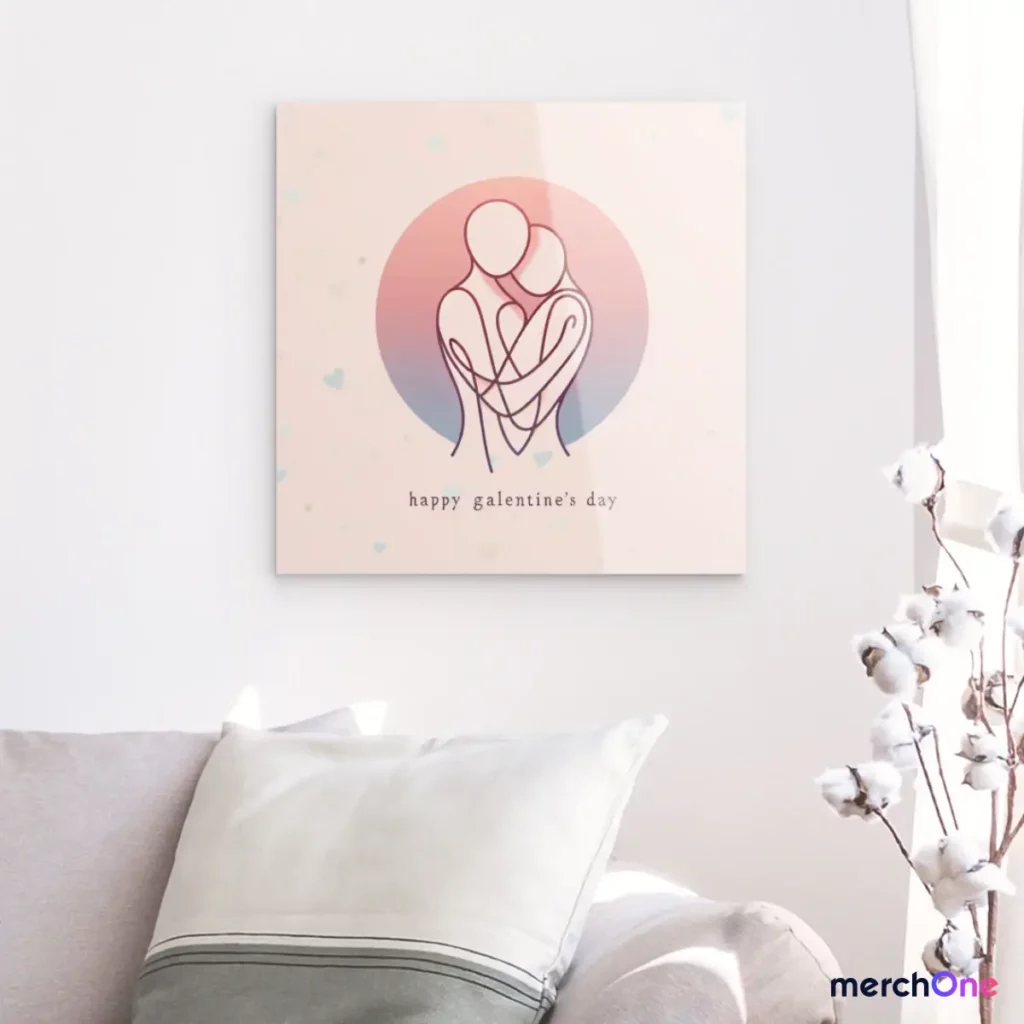
Ditch the hearts, embrace the laughs! Let’s design Galentine’s Day POD products that celebrate friendships with humor and heart:
Limited-edition designs
- The inside joke item: Emphasize that designs can reference only that friend group will ‘get’ — movie quotes, meme references, and shared mishaps turned into slogans.
- Empowering gets upgraded: Instead of general girl power quotes, how can designs hint at friends lifting each other up in career journeys, supporting life changes, etc.?
- Personalization POWER: Can products be tailored for duos (matching items, half-heart necklaces that fit together) or a whole squad (custom colors per friend)?
Promotional opportunities
- Bundle bonuses: Beyond physical items, could they bundle printable activity pages, ‘BFF coupons’ with silly favors, etc.? Adds value and shareable fun.
- Campaign = Collaborative: Let the audience help! “What’s the funniest inside joke your squad turns into a design?” The winning slogan gets printed, plus freebies for that group.
- Challenges get niche: Specific interests are perfect! Cookbook lovers design the ultimate Galentine’s menu on tea towels, sports fans with matching ‘team colors’ scarves…
Product ideas
- Apparel goes out: Galentine’s dinners are popular! Think designs that work for restaurant wear, comfy but with flair.
- Home = Heart: Many pals do cozy nights in. Designs that upgrade blankets, popcorn bowl sets, etc., are hits.
- Accessories as experience: Can necklaces have a ‘break for advice calls’ charm? A bracelet that helps donate to their favorite shared cause?
- Party pack versatility: Those supplies don’t have to be pink & frilly! Humorous “anti-hearts” decor appeals to different friend group vibes.
Additional tips
- “Beyond romance: Target searches using platonic love gifts” and “unconventional Valentine’s” to tap into this audience.
- Partner with purpose: Are there local Galentine’s community events sellers can donate items to, boosting charity and buzz?
- Inclusivity wins: Not all BFFs use “she” — is there design space for the full friendship spectrum?
14th: Love is in the air on Valentine’s Day (Global)
February 14th brings a global surge in gift-giving and self-expression! For POD sellers, Valentine’s Day offers a lucrative opportunity to spread the love with heartfelt designs for a wide audience.
From couples and singles to friends and families, capture the spectrum of how people celebrate connection – it’s time to turn those warm fuzzies into profits!
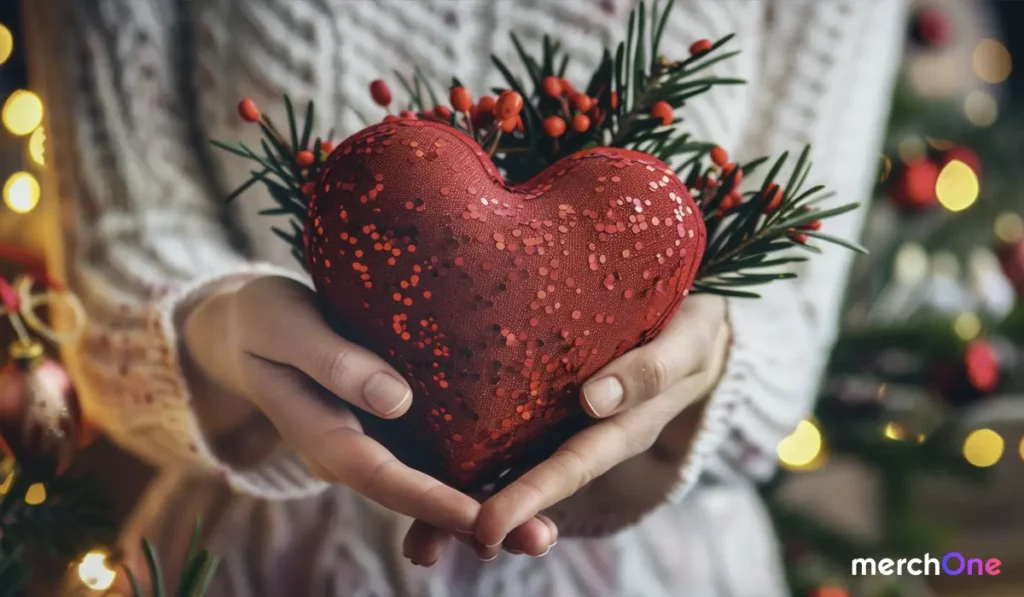
From romance to giggles, Valentine’s has a market for everyone. Let’s unlock POD sales across the full spectrum of love expressions:
Limited-edition designs
- Romance = Retro too: Emphasize sellers can offer vintage-inspired Valentine designs: old-school ads, kitschy motifs, etc. They’re unique and copyright-safer.
- “Niche gets specific: Those gamers in love” designs shouldn’t be general! Can they reference game genres or specific co-op adventures that couples play?
- Humor beyond singles: Can designs play off silly arguments couples have, shared love of bad pizza, etc.? This appeals to people who are in romance but want playful products.
Promotional opportunities
- Beyond bundles: Can POD items enhance non-POD experiences? A custom card earns bonus points on a restaurant reservation, and a shirt makes their concert date an event.
- “Campaigns get CREATIVE: Instead of ‘share your story’ why not Design your Dream Date” using our customizable items? Or a pet costume photo contest, the prize is a couple portrait with their best furry friend?
- “Charity with choice: Let buyers pick if donating part of their purchase goes to animal shelters, family services, etc. Spread the love” becomes broader and personalized.
Product ideas
- Apparel about actions: Not just slogans, but designs encouraging dates: cozy gear for stargazing, matching activewear for walks, etc.
- Jewelry, but joint: Could lockets hold a photo and space for their favorite takeaway order? Silly jewelry tied to their shared taste level elevates the simple gift.
- Home IS hygge: Couples crave shared hobbies: tea towels with both their fave brew styles, board game pillows, custom coasters for marathon movie nights.
- Stationery shared: Not just cards, but coupon books of favors they’ll do for each other, vow renewal kits on anniversaries…
- Pet = Cupid: Furry ‘wingmen’ are huge! Can items involve them in proposals, playful dates (matching hats on dog walks), etc.?
Additional tips
- “SEO power: Target searches like unique gamer couple tees” to lure buyers tired of the same old stuff.
- Partner potential: Local date spots (bakeries, cinemas) might LOVE offering gift certificates with Valentine’s POD merch bundles.
15th: Singles shine on Singles Awareness Day (US)
POD sellers, while Valentine’s gets the hype, Singles Awareness Day is your chance to tap into the self-love market with empowering and fun designs. Think celebration, not commiseration!
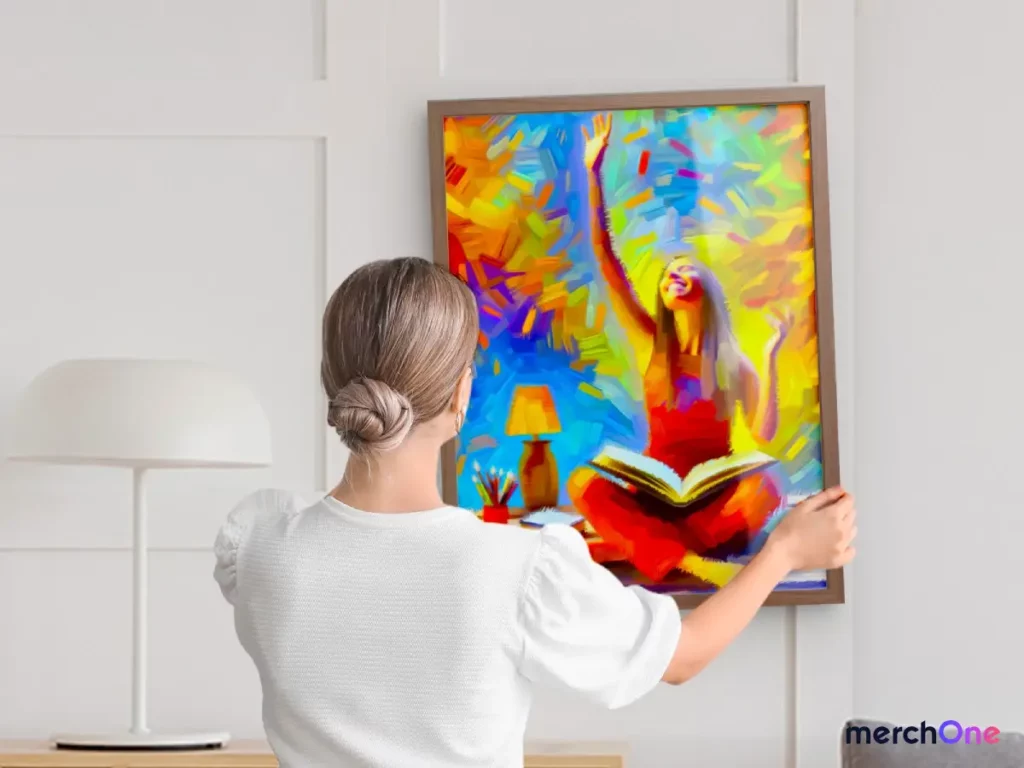
Celebrate solo style and boost your bottom line! Discover winning POD designs and promotional strategies for Singles Awareness Day:
Limited-edition designs
- Empowering angles: Beyond general phrases, focus on accomplishments singles are proud of (finishing a degree, solo travel, etc.). This helps target different single life stages.
- “Humor + Honesty: Instead of ‘dating struggles,’ focus on the silly freedoms singlehood grants: messy takeout on the couch, hobby obsession tees (My Plants Get All My Attention.”)
- “Self-care upgrade: POD can turn generic items into ‘ritual’ pieces: custom eye masks for the BEST naps, Do Not Disturb: Bookworm Time” robes, etc.
Promotional opportunities
- “Discounts with direction: Could single’s purchases on this day come with must spoil YOURSELF” coupons they can use later? This builds loyalty.
- Bundle = Experience: A puzzle bundle isn’t exciting solo. POD design on the box is ‘reward’ art when done, a tea subscription, etc. Tie enjoyment to the product.
- Challenge gets competitive: Can users submit self-love slogans, the funniest wins custom gear, AND others want ‘that shirt’?
- Charity choice: Offer options! Singles are diverse: Animal rescues, women’s career help, etc., broadens market appeal.
Product ideas
- Apparel about action: Can items feature single’s chosen adventures? Hiking boots graphic tees, travel passport covers, etc.
- Home = Haven: Beyond pillows, can items cater to the spaces singles curate for ONLY themselves? Unique art prints, music gear decor, etc.
- “Stationery for solo journeys: Not just to-do lists, but dream getaway’ travel notebooks, goal-tracking templates – celebrate where self-love can take you.
Additional tips
- Search savvy: Help sellers use ‘anti-Valentine’ AND positive terms relevant to singles’ interests (solo nomad bloggers, etc.).
- Partnerships = Personal: Local cooking classes, bookstores, and even solo-friendly resorts might want special day promos tied to POD items.
- Color matters: Bold, not just pastels! Singles aren’t rejecting the FUN of the holiday, just the narrow focus.
17th: Cherishing family bonds on Family Day (Canada, US)
Family Day offers a heartwarming opportunity for POD sellers to tap into a deep well of love and tradition. Capture the unique beauty of every family with personalized designs celebrating special bonds, inside jokes, and shared memories.
From matching apparel and custom family portraits to keepsakes that foster togetherness, help customers express their love with gifts as vibrant and diverse as the families themselves.
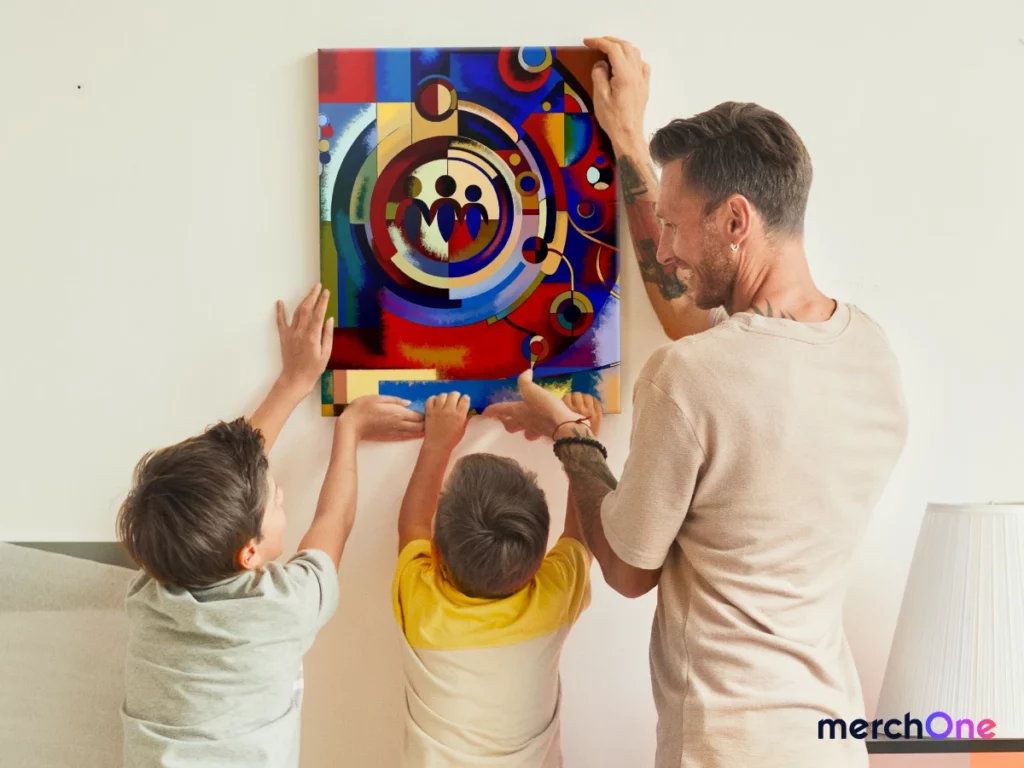
Strengthen family bonds with these Family Day POD design and promotion ideas:
Limited-edition designs
- Matching with meaning: Could designs cater to different family structures? Not just parent/kid, but grandparent sets, cousins, blended families, etc.
- Portraits beyond poses: Can customers add each member’s favorite hobby, a family motto, etc.? This makes it deeply personal (and harder to copy).
- Activities = Annual Update: Offer “Our Game Night Champs 2025” templates, yearly photo puzzle updates, etc., promoting repeat sales.
Promotional opportunities
- “Bundle the buy-in: Buy any Family Day design, get our printable activities (themed to that design) FREE!” Boosts perceived value.
- Campaign celebrates all families: Customers submit photos of ‘chosen’ family: friends, pets, etc. Winning pic is printed (for them + prize), boosts positive buzz.
- Charity gets local: Small groups supporting foster kids, families facing hardship… partnering brings buyers on a deeper level.
Product ideas
- Apparel with activities: Not just names, but matching aprons with easy recipes kids can help with, tees with outdoor scavenger hunt designs, etc.
- Home upgrades: Could placemats tell family history like a tree? Growth chart wall decals get customized? Products become heirlooms.
- Games go niche Would families pay for trivia cards all about themselves? A board game map based on real places they love?
- “Kitchen keepsakes: World’s Best [Member]”- aprons evolve each year into inside jokes, signature baking dish designs…
- Memory beyond photos: Journals where every member logs the year’s fun in their ‘section’ – unique to that family over time.
Additional tips
- “Search specificity: Custom Grandparents Day gifts” beats just “family”. POD excels at niches!
- Partner power: Small kid-focused businesses lovesharing promos if designs feature them (dance studio logo + ballet recital tee, etc.)
- Inclusivity wins: Family means so much more than one image. Showing that in designs/promos attracts a broader audience.
17th: Honoring leaders on President’s Day (US)
President’s Day inspires patriotism and reflection on US history, sparking a market for themed merchandise. POD sellers, tap into this potential with products honoring past presidents, educational designs, and fun ways to celebrate.
From apparel to playful takes on political themes, let’s turn historical awareness into a sales boom!
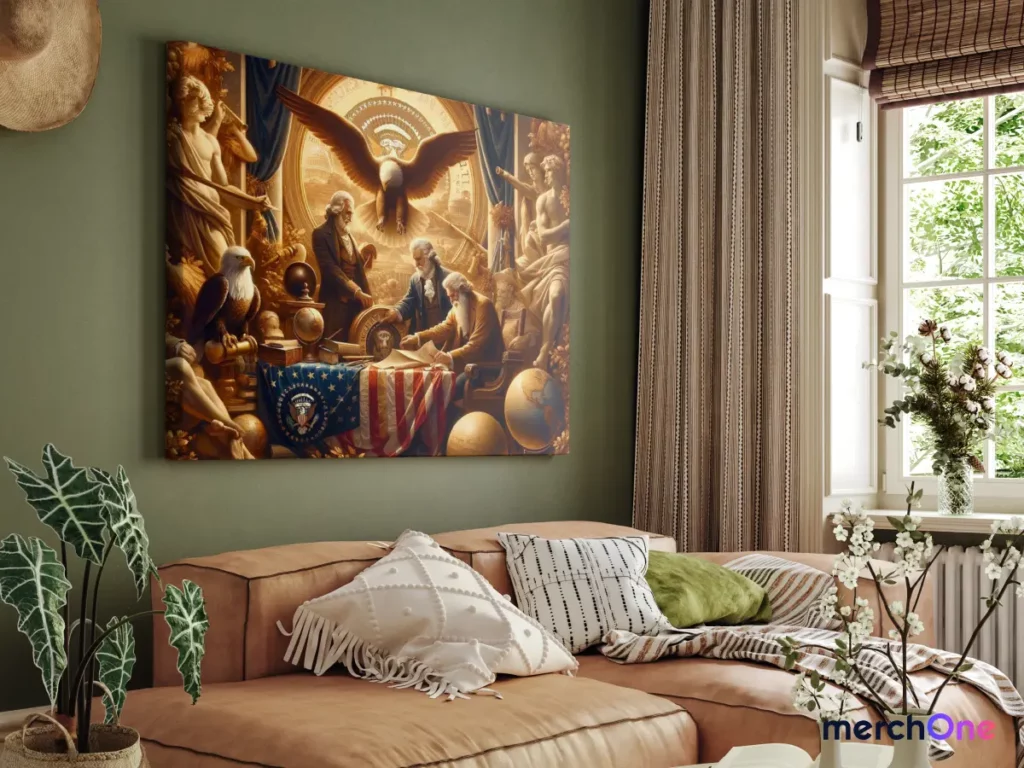
Ready to cash in on history? Discover POD products and strategies that spark patriotic pride and sales on President’s Day:
Limited-edition designs
- Patriotism is personal: Could designs let buyers add the year their family immigrated, tie symbols to states of ancestral origin, etc.?
- Humor with homework: Instead of just ‘funny faces,’ can design parody famous events kids are likely to study (tea party-themed mugs, etc.)?
- “State gets specific: Are slogans focused on state quirks presidents embodied (Determined Like [State Founder]”). This beats generic state flags
Promotional opportunities
- Flash sale as ‘Timeline’: Hourly discounts revealing products of certain eras build history lessons and urgency.
- Contests cater to kids: Winning historical ‘TikTok’ using POD props gets featured, the prize is a kid–designed item brought to life!
- Education kits, but upgraded: POD can make ‘dress as your president’ add-ons, felt board sets of major events, etc.
- Charity with choice: Support military families and historic preservation? Buyers feel their $ makes a specific impact.
Product ideas
- Apparel = Action: Tee graphics celebrating ‘underdog’ wins by presidents are inspiring. Those building businesses connect!
- Home as history buff haven: Can wall prints be famous ‘debates’, but modern speech bubble captions? Coasters of each state in the year it joined?
- Accessories get clever: Phone pops as mini ‘Mount Rushmore’, luggage tags for ‘history lovers’ tours, tie tacks as symbols, not faces…
- ”Education = Engagement: Timeline placemats kids fill in, “Would you Duel? debate kits… make learning participatory.
Additional tips
- “Search-friendly: Target homeschool President’s Day,” etc. Parents are actively seeking!
- Partner beyond museums: Veteran groups may love respectful dog tags commemorating wars, historic battle sites may want unique merch…
- Accuracy rewarded: A ‘bonus’ fact sheet with an item fosters goodwill in this sensitive market.
27th: Rewinding with National Retro Day (US)
National Retro Day is a goldmine for POD sellers! Tap into the passion for past decades with designs that revive beloved icons, pop culture trends, and childhood memories.
From vintage slogans and classic logos to reimagined retro art, let’s help customers channel their nostalgic vibes and turn that sentiment into sales!
National Retro Day is a blast from the past for your POD store! Let’s tap into the power of nostalgia with designs and sales strategies that stand out:
Limited-edition designs
- Pop Culture = Participation: Instead of just designs, could buyers add ‘class of,’ a favorite team from that sports era, etc.? It turns fandom into a unique item.
- Vintage upgrade: Offer “design kits” where fonts, icons, etc., of an era, let buyers layout slogans, like DIY design software 80s-style.
- “Personalized past-forward: Not just names, but I heart [classic game] champ” trophies, mugs in the pattern on their childhood bedspread…
Promotional opportunities
- Flash Sale with a story: Was a beloved toy discontinued that year? Timed ‘it’s back!’ drops based on events create urgency.
- Contest collaboration: Can users win vintage items on loan while sporting POD gear of that era? Partner with shops for huge buzz.
- Beyond recipes: Vintage skills! Macrame kits with 70s color combos, cross-stitch samplers of old sayings… tap different markets.
- “Charity drives choice: Proceeds support vintage [customer picks: film, arcade, library, etc.] preservation” appeals to diverse retro lovers.
Product ideas
- ”Apparel = Aspirational: Those “training like it’s the 80s slogans are popular – can designs cater to different goals beyond fitness?
- Home Decor as homage: Can textiles honor era trends instead of art prints? Macrame patterns made custom, kitsch tea towels like grandma had…
- Stationery gets silly: Pen pal sets with themed paper cater to kids and those craving that old ritual. Planner stickers of era-specific things…
- Accessories are action: Keychains like old hotel tags, but engraved with personal “member since XX” dates. Phone grips themed to old toys…
- Games are gateway: Simple POD ‘matching’ cards featuring logos kids wouldn’t know sparks curiosity! Becomes a family purchase, not just a solo buy.
Additional tips
- “Niche wins: Target 90s teen girl room decor” over bland ‘retro’. SEO favors specificity, plus buyers feel seen.
- Partners are powerful: Vintage game stores may need branded merch, local bands inspired by an era would love gig tees in that style, etc.
- Accuracy with affection: Slight humor about fads is better received than just copying (neon fanny pack = funny, just an 80s outfit photo on a tee is boring)
Seizing February’s moments: a print-on-demand perspective
February has proven how print-on-demand businesses can thrive by embracing diverse events! From quirky, niche celebrations to major holidays, we uncovered how to turn each occasion into a sales and engagement opportunity.
Through targeted designs, creative promotions, and understanding the unique emotional appeal of each event, we saw that POD sellers could resonate with customers seeking those ‘perfect’ products to express themselves.
The key lesson isn’t simply about ‘keeping up’ with a calendar. This month, we honed the POD seller’s ability to spot untapped markets (local sports fans on Super Bowl, playful singles on Valentine’s, etc.) and react quickly to bring fresh designs to life.
This flexibility is impossible for traditional retail, empowering you to seize trends and delight customers in ways the big brands cannot.
February may end, but our explored strategies equip you for year-round success. Whether adapting winning design themes, finding new marketing partnerships, or simply feeling more confident tackling niche celebrations, you now have the tools to turn ANY occasion into a sales opportunity.
The potential of print-on-demand shines brightest when you become a part of your customers’ moments – big or small, their celebrations are where your brand story unfolds!