

Don’t Get Sued: Copyright Tips for Wall Art Businesses
Walk into any home, and you’re likely to find walls adorned with art. From vibrant paintings to striking photographs, wall art brings life and personality to our spaces. It’s no wonder that the print-on-demand market for wall art is booming. But with this growth comes a significant risk: copyright infringement.
As a print-on-demand seller, you’re in a unique position. You have the power to bring beautiful designs to life, but you also have the responsibility to ensure those designs don’t infringe on someone else’s intellectual property. One misstep could lead to legal troubles that could sink your business.
Disclaimer: This article is provided for general informational and educational purposes only and does not constitute legal, tax, accounting, financial, customs, intellectual-property, regulatory or other professional advice.
The information may not be complete or applicable to your circumstances. Requirements vary by jurisdiction, business structure, transaction, product and sales channel, and may change over time. Third-party products, services, fees, policies and availability are subject to the relevant provider’s current terms.
Readers should verify current requirements with the relevant authority, platform or provider and obtain advice from a suitably qualified professional before making legal, tax, financial or compliance decisions. Nothing in this article modifies any applicable agreement or service terms.
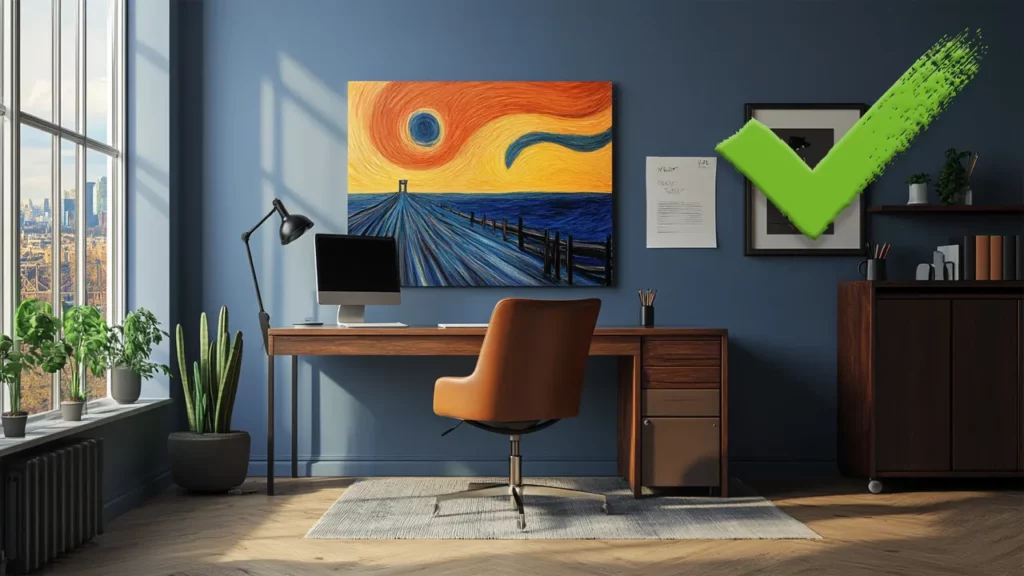
This guide aims to help you navigate the tricky waters of copyright in the wall art business. We’ll cover everything you need to know to keep your business safe and successful. From understanding what copyright means in the context of wall art to practical tips on avoiding infringement, we’ve got you covered.
So, whether you’re just starting out or looking to tighten up your existing practices, read on. Let’s make sure your wall art business stays on the right side of the law.
Understanding Copyright in the Context of Wall Art
Before we discuss the specifics of avoiding copyright infringement, let’s define what copyright actually means in the world of wall art.
What is Copyright?
Copyright is a form of intellectual property protection. It gives the creator of an original work exclusive rights to its use and distribution. This means that if someone creates a piece of art, they have the legal right to decide how it is used, reproduced, or sold.
How Copyright Applies to Visual Arts
In the realm of visual arts, copyright protection kicks in as soon as a work is created and fixed in a tangible form. This means that the moment an artist puts brush to canvas or captures a photograph, that work is protected by copyright. The artist doesn’t need to register the work or put a copyright notice on it for this protection to apply.
For wall art businesses, this means you need to be careful about the designs you use. Even if an image is freely available online, it doesn’t mean it’s free to use in your products.
Copyright vs. Trademark vs. Patents
It’s important to understand that copyright is different from other forms of intellectual property protection:
- Copyright protects original creative works.
- Trademarks protect brand names, logos, and slogans.
- Patents protect inventions and discoveries.
In the wall art business, you’re most likely to deal with copyright, but it’s good to be aware of these distinctions.
Common Misconceptions About Copyright in Wall Art
There are several myths about copyright that can lead wall art businesses into trouble:
- “If I change the image by 10%, it’s not copyright infringement.” This is not true. No fixed percentage makes use of copyrighted material okay.
- “If there’s no copyright symbol, it’s not protected.” Wrong. Copyright protection applies whether or not the work has a copyright notice.
- “If I’m not making money from it, it’s fair use.” Not necessarily. While commercial use is a factor in determining fair use, it’s not the only consideration.
Understanding these basics of copyright is your first step in protecting your wall art business from legal issues.
Types of Wall Art at Risk for Copyright Infringement
Understanding which types of wall art are most likely to face copyright issues can help you navigate potential pitfalls. Here are some high-risk categories to be aware of:
- Reproductions of Famous Paintings
You might think selling prints of well-known artworks like Van Gogh’s “Starry Night” or Da Vinci’s “Mona Lisa” is safe. While the original artworks may be in the public domain, be careful.
High-quality photographs or digital reproductions of these works could be protected by their own copyrights. Always check the source and rights before using such images. - Photography-Based Wall Art
Using photographs in wall art can be tricky. Most photographs are automatically protected by copyright when they’re taken, whether by professionals or amateurs. Finding a photo online doesn’t mean it’s free to use in your products. Always get permission or proper licensing for any photographs you use. - Typography and Quote-Based Designs
Text-based art is popular, but not without risk. While short phrases typically can’t be copyrighted, the specific design or layout of the text might be. Also, be careful with quotes from books, songs, or movies. These are often protected by copyright, even if they’re short. - Pop Culture and Fan Art
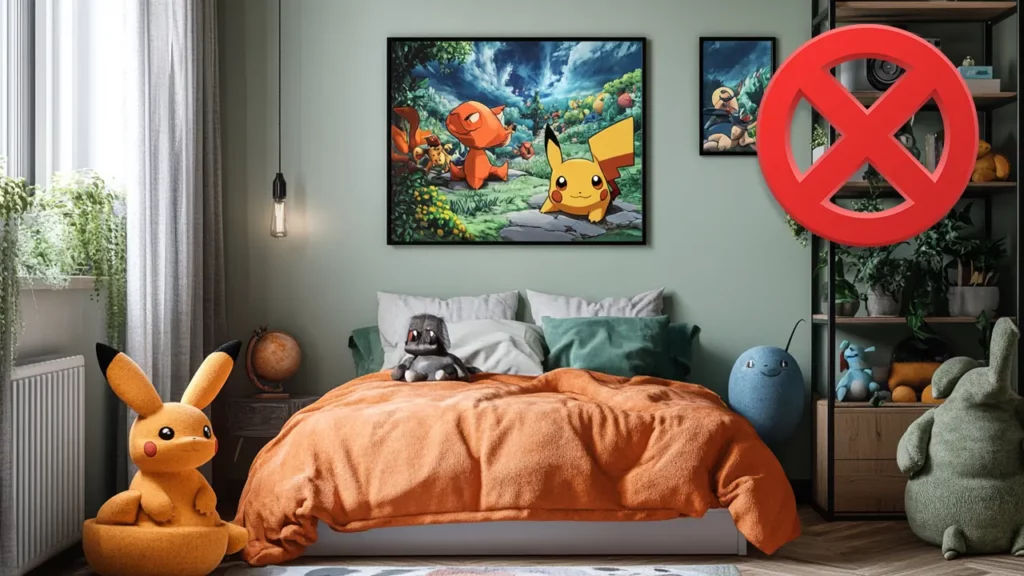
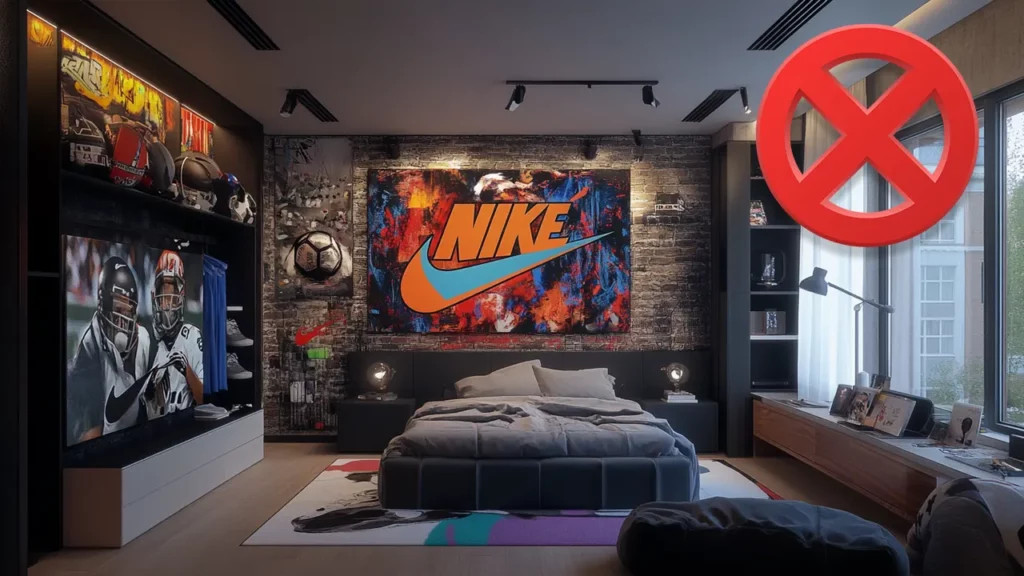
Creating art based on popular movies, TV shows, or characters is risky. Both copyright and trademark laws usually protect these properties. Even if you make an original piece inspired by pop culture, you could still infringe on someone’s intellectual property rights. - Digital Illustrations and Graphic Designs
Digital artwork and designs have the same copyright protection as traditional art forms. If you’re using digital illustrations or graphic designs in your wall art, make sure you have the right to use them commercially. This applies whether you create or get the designs from someone else.
By knowing these high-risk categories, you can better protect your wall art business from potential copyright issues. In the next section, we’ll discuss specific strategies for avoiding copyright problems in your work.
How to Avoid Copyright Infringement: Do’s and Don’ts
Now that we’ve covered the types of wall art that are more likely to infringe copyright, let’s look at some practical steps you can take to protect your business.
Do’s:
- Create original artwork: The safest way to avoid copyright issues is to make your own designs. This protects you legally and helps you build a unique brand.
- Use public domain resources: Works in the public domain are free for anyone to use. These include works whose copyright has expired, or works that were never protected by copyright. Always double-check that a work is truly in the public domain before using it.
- Obtain proper licenses for commercial use: If you want to use someone else’s work, get the right license. Many stock image websites offer commercial licenses for a fee. Read the terms of the license carefully to ensure it covers your intended use.
- Understand and respect fair use: Fair use allows limited use of copyrighted material without permission for purposes such as commentary, criticism, or parody. But be careful – fair use is complex, and what qualifies can be subjective. When in doubt, it’s safer to get permission or create your own work.
Don’ts:
- Copy or closely imitate existing artwork: Even if you’re not making an exact copy, creating work that’s very similar to copyrighted material can still be an infringement. Instead, focus on developing your own unique style.
- Use copyrighted images without permission: Just because an image is online doesn’t mean it’s free to use. Always assume an image is protected by copyright unless you can confirm otherwise.
- Assume all online images are free to use: Many people think that if an image doesn’t have a watermark or copyright notice, it’s okay to use. This isn’t true. Copyright protection applies whether or not there’s a visible notice.
- Ignore copyright notices or watermarks: If an image has a copyright notice or watermark, that’s a clear sign that you need permission to use it. Removing or ignoring these is a severe violation of copyright law.
Following these do’s and don’ts can significantly reduce your risk of copyright infringement. Remember, it’s always better to play it safe when in doubt.
Best Practices for Wall Art Creators and Sellers
While knowing the do’s and don’ts is crucial, implementing best practices in your day-to-day operations can further protect your wall art business from copyright issues. Here are some strategies to consider:
Creating a distinctive style sets you apart and reduces the risk of accidentally copying others. It also builds your brand identity. Explore different techniques, color palettes, and themes to find your artistic voice.
Before using any image or design element:
- Research its origin and copyright status
- Document where you found it and any relevant copyright information
- Keep records of licenses or permissions you’ve obtained
This documentation can be invaluable if questions arise about using an image.
Use Reputable Design Resources
When you need design elements or inspiration:
- Use reputable stock image sites with clear licensing terms
- Consider subscribing to design resource libraries that offer commercial-use assets
- Explore public domain archives from museums and libraries
Always read and understand the terms of use, even on free resource sites.
Implement a Copyright Clearance Process
Develop a step-by-step process for clearing copyrights on all elements in your designs. This might include:
- Checking the source and copyright status of each element
- Obtaining necessary permissions or licenses
- Having a second person review the clearance before production
Make this process a standard part of your workflow for every new design.
Educate Yourself on Copyright Laws
Copyright laws can be complex, and they change over time. Stay informed by:
- Following copyright law blogs or newsletters
- Attending webinars or workshops on intellectual property for artists
- Joining professional associations that offer resources on copyright
The more you know, the better equipped you’ll be to protect your business.
Incorporating these best practices into your business will create a strong foundation for copyright compliance. This will protect you legally and demonstrate professionalism and respect for other creators’ work.


The Acrylic Print on Metal is a fusion of modern aesthetics and timeless elegance. Its sleek, minimalist design allows your artwork to take center stage, while the interplay of acrylic and aluminum creates a captivating visual experience.
The high-definition printing process ensures that every detail of your design is faithfully reproduced, resulting in vibrant colors and crisp lines. The acrylic layer adds a lustrous finish, amplifying the visual depth and impact of your images.
Whether your customers are seeking to adorn their homes with personalized artwork or looking for a unique gift, the Acrylic Print on Metal offers a premium solution that exceeds expectations.


Our Framed Posters feature high-quality photo printing and lightweight, easy-to-hang frames made from 100% recycled ocean plastic. Frames are available in 30 × 20, 40 × 30, 60 × 40, and 80 × 60 cm.
EU posters are printed on 230 g/m² matte satin luster photo paper, while framed posters use 275 g/m² matte satin paper. US versions use 9 mil Briteline satin semi-gloss photo paper. For framed posters sized 60 × 40 cm and larger, adhesive is used to secure the decorative frame. Optional poster clips are also available, with prints offered in color or black and white.

Take your print-on-demand business to the next level with our premium canvas wall hangings. These versatile canvases are crafted to showcase your unique designs in stunning detail, making them a valuable addition to any home or office. Made with durable, gallery-wrapped canvas, they’re built to last and impress.
Our high-resolution printing process ensures vibrant colors and sharp details, making your artwork truly come alive. With multiple sizes available, you can cater to various customer preferences and spaces. The lightweight design and included hanging kit make it easy for your customers to display their new artwork with minimal effort.
Invest in our premium canvas wall hangings and offer your customers a product that embodies both quality and artistic expression. With their undeniable appeal and customizable nature, they’re sure to become a bestseller in your POD store.
Legal Considerations and Consequences
Understanding the potential legal ramifications of copyright infringement is crucial for any wall art business. Let’s explore what could happen if you accidentally (or intentionally) infringe on someone’s copyright and how to handle such situations.
Potential Penalties for Copyright Infringement
Copyright infringement can lead to serious consequences:
- Financial Damages: If found liable, you might have to pay the copyright owner for damages. This could include the owner’s lost profits, your profits from the infringing work, or statutory damages (which can range from $750 to $30,000 per work infringed, or up to $150,000 for willful infringement).
- Legal Fees: You might be required to pay the copyright owner’s legal fees, as well as your own.
- Injunctions: A court may immediately order you to stop selling the infringing work.
- Destroyed Inventory: In some cases, you might be ordered to destroy any remaining inventory of the infringing work.
- Damage to Reputation: Beyond the financial impact, copyright infringement can harm your business’s reputation and customer trust.
How to Handle Copyright Claims
If you receive a copyright infringement claim:
- Don’t ignore it. Respond promptly and professionally.
- Remove the allegedly infringing work from sale immediately while you investigate.
- Review the claim carefully. Is it valid? Do you have proper licensing or permissions?
- Gather evidence to support your position if you believe the claim is invalid.
- Consider seeking legal advice, especially if the claim involves significant damages or if you’re unsure of your rights.
Quick action can often prevent a copyright dispute from escalating into a lawsuit. It shows good faith and may help you negotiate a resolution with the copyright owner.
When to Seek Legal Advice
While many copyright issues can be resolved without legal action, some situations call for professional help.
Consider consulting a lawyer if:
- You receive a formal cease and desist letter or lawsuit
- The potential damages are significant
- You’re unsure about the validity of a copyright claim against you
- You need help negotiating a license or settlement
Remember, it’s often more cost-effective to get legal advice early to prevent issues than to wait until you’re facing a lawsuit.
By understanding these legal considerations, you can better protect your wall art business and respond effectively if issues arise.

Bring natural warmth and unique character to your print-on-demand products with our Wood Panels. Each panel is meticulously crafted from top-grade plywood, showcasing the wood’s natural beauty and individual grain patterns.
Our advanced printing technology ensures your designs are reproduced with exceptional detail and vibrancy on the smooth, polished wood surface. The results will impress, whether you’re printing photographs, artwork, or text-based designs.
Available in various sizes, our Wood Panels cater to a wide range of customer preferences and design needs. From small, personalized gifts to large-scale wall art, these panels offer the versatility and quality that discerning customers demand.
Brushing Up on Copyright: Essential Knowledge for Wall Art Entrepreneurs
Navigating copyright law in the wall art business can seem daunting, but it’s essential to running a successful and ethical operation. Let’s recap the key points we’ve covered:
- Understanding copyright basics is crucial for wall art creators and sellers.
- Certain types of wall art, like reproductions and fan art, carry higher copyright risks.
- Following best practices, such as creating original work and obtaining proper licenses, can significantly reduce your risk of infringement.
- Implementing a copyright clearance process and staying educated on copyright laws are vital for long-term success.
- The legal consequences of copyright infringement can be severe, affecting your finances and reputation.
Remember, copyright compliance isn’t just about avoiding legal trouble — it’s about respecting other creators’ work and building a sustainable, ethical business. By implementing the strategies we’ve discussed, you’re protecting your business and contributing to a more vibrant and innovative wall art industry.
As you move forward, stay curious, keep learning, and don’t hesitate to seek expert advice when needed. With the right approach, you can create stunning, original wall art that delights customers and stands the test of legal scrutiny.