Horizontal purple gradient banner transitioning from blue-purple to pink-purple, used as a background Horizontal purple gradient banner transitioning from blue-purple to pink-purple, used as a background
Local Production Sites in the USA & EU!
No customs fees and delays - just fast and effective fulfilment to scale!


More than 500,000 premium products manufactured daily for commercial and private customers.

Explore
FEATURE
Back to All Posts
Print-on-Demand 101

White-Label Products in 2026: How to Launch a Brand Without Inventory

Quick answer: White-label products are made by one company and sold under another company’s brand. In 2026, the strongest white-label print-on-demand products are framed canvas prints, custom photo mugs, magic mugs, premium pillows, photo puzzles, acrylic keepsakes, pet portrait products, T-shirts and hoodies, tote bags, metal prints, wall tapestries, and Christmas ornaments — all producible on demand with no minimum order quantity and no unsold inventory.

The model works because sellers can launch branded products without owning a factory, buying inventory, or managing fulfillment. The difficulty is no longer finding a product. It is choosing a narrow enough niche that buyers remember the brand, and finding a production partner whose quality holds up after the first order.

This guide covers the best white-label POD products for 2026, where margins come from, how to launch a white-label brand, and what to check before choosing a production partner.

Collage of white-label product ideas for launching a brand without inventory: a graphic t-shirt, framed art, a patterned mug, round dog badge, blanket, flower prints, wall tiles, and a rolled poster. • merchOne

Key Takeaways

  • White-label is faster than private-label: sellers brand existing products instead of developing custom specs from scratch — launch timelines are weeks, not months.
  • POD removes inventory risk: products are produced after purchase, so sellers avoid minimum order quantities, unsold stock, and warehousing costs.
  • Branding creates the margin: the base product may be available to other sellers, but niche positioning, design quality, packaging, and buyer experience drive perceived value and pricing power.
  • Giftable products perform well: mugs, framed canvas, pet products, acrylic keepsakes, pillows, puzzles, and ornaments carry emotional value that makes buyers willing to pay more.
  • Wall art supports higher AOV: framed canvas, metal prints, acrylic prints, and premium home décor absorb platform and ad costs better than low-ticket commodity products.
  • Supplier quality shapes reviews: frame material, print color, packaging condition, shipping speed, and replacement handling determine whether buyers trust the brand after the first order.

What Are White-Label Products?

White-label products are pre-manufactured goods that a seller rebrands and sells as their own. The manufacturer handles production. The seller controls everything the customer sees: brand name, storefront, pricing, design direction, packaging, product copy, customer service, and marketing.

In print on demand, white-label becomes leaner still. A seller uploads a design, publishes a product, and the production partner prints, packs, and ships only after a customer orders. That removes the factory, the minimum order, and the warehouse from the equation — which makes the model practical for new brands, Etsy sellers, Shopify stores, creators, agencies, and niche ecommerce businesses at any stage.

The key distinction: white-label gives sellers brand control without factory ownership. POD adds single-unit fulfillment without inventory risk. Together, they make branded product launches accessible without capital.

White-Label vs Private-Label vs Dropshipping

These three models are regularly confused. They solve different problems and suit different business stages.

ModelHow it worksWhen it fits
White-labelSell existing products under your own brandFast branded launches, POD stores, gift shops, niche ecommerce
Private-labelModify product formula, design, specs, or materials for exclusivityBrands with capital, custom product requirements, and longer timelines
DropshippingSell supplier products without inventory, typically with limited brandingProduct testing, low-control stores, generic catalog selling

White-label sits between the two. It is faster than private-label and more brandable than generic dropshipping. For POD sellers, that balance is the sweet spot — brand ownership without the capital or timeline that private-label requires.

Best White-Label POD Products in 2026

The strongest white-label products are not the trendiest products. They are products where brand, design, personalization, and gifting context can justify a higher retail price — and where buyers attach enough emotional meaning that price comparison with generic alternatives becomes less relevant.

ProductTypical retail rangePrimary buyerWhy it works as white-label
Framed canvas prints$40–$150Home décor and gift buyersHigh perceived value and strong personalization potential
Custom photo mugs$15–$30Gift shoppers and office buyersDaily-use product with emotional value, easy to niche
Magic mugs$20–$40Novelty gift buyersHeat-reveal effect creates a giftable moment that standard mugs lack
Premium pillows$35–$80Home décor and pet buyersDecorative, personal, and bundles naturally with canvas and blankets
Photo puzzles$25–$50Family and memory gift buyersTurns a photo into an activity and a keepsake simultaneously
Acrylic keepsakes$18–$45Wedding, anniversary, and memorial shoppersSmall format with strong sentimental value and low return rate
Pet portrait products$35–$120Pet parentsHigh emotion, strong cross-sell potential across multiple formats
T-shirts and hoodies$20–$70Niche communities and creatorsIdentity-driven, repeat-purchase behavior in focused niches
Tote bags$15–$30Book, lifestyle, and eco-conscious buyersLow-friction accessory with visible public branding
Metal prints and wall tapestries$30–$180Premium décor and dorm décor buyersStrong visual impact, expands wall art catalog beyond standard canvas
Christmas ornaments$12–$28Seasonal family gift buyersAnnual collection drops create repeat buyers year over year

1. Framed Canvas Prints

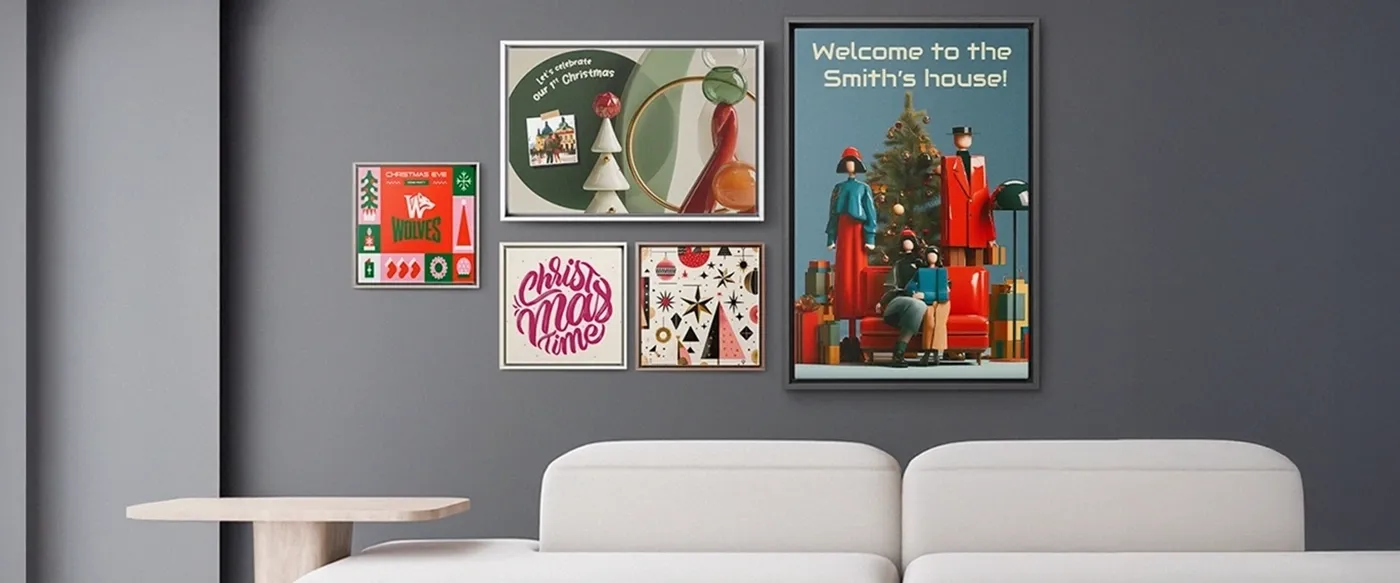
Framed canvas prints are one of the strongest white-label POD products because buyers perceive them as home décor, not commodity prints. A family-name canvas, pet portrait, wedding date print, or local-history design commands a higher retail price than a generic poster precisely because the buyer sees it as a permanent part of their home.

Frame quality determines the price ceiling. Frames that warp, peel, or arrive damaged destroy the perceived value of the brand in one delivery. Sellers building premium décor brands must check frame material, print finish, packaging condition, and sample quality before scaling — because the review that describes a warped frame attaches to the listing permanently.

2. Custom Photo Mugs

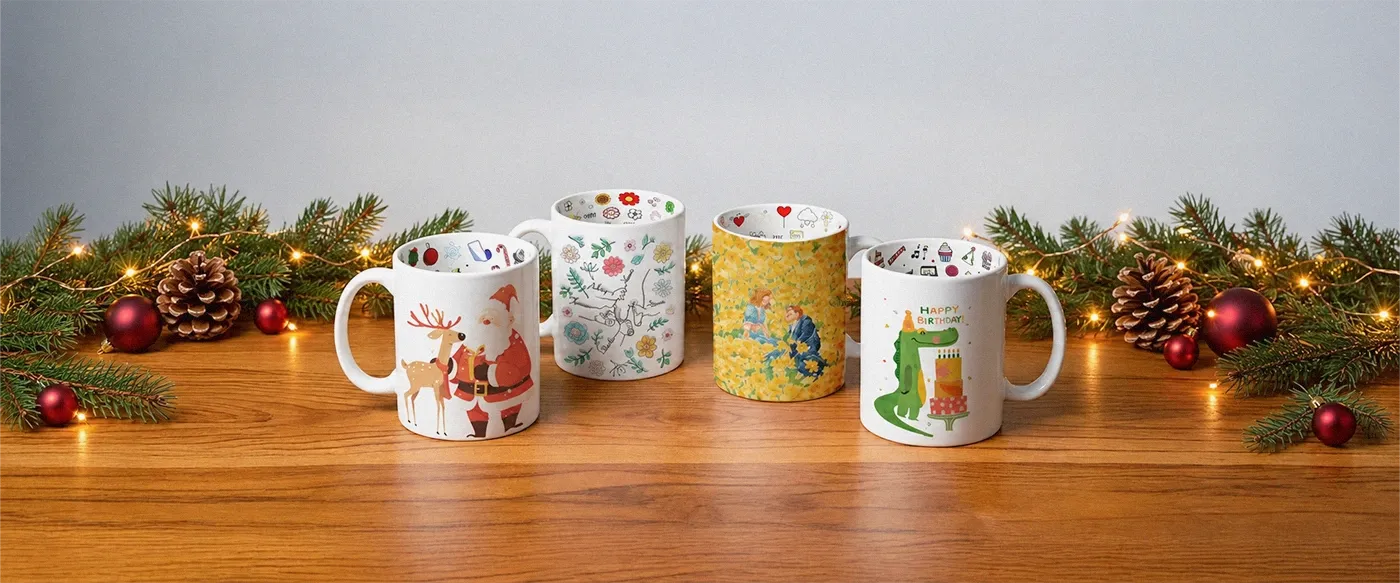
Custom photo mugs remain reliable because they are affordable, personal, and easy to gift. They convert for Mother’s Day, Father’s Day, office gifts, teacher gifts, pet owners, couples, grandparents, creators, and company merchandise — the same base product, positioned differently for each buyer segment.

The strongest mug brands do not sell “a mug.” They sell a specific morning moment: coffee with a pet portrait, a grandparent photo, a team inside joke, a wedding date, or a phrase that belongs to a particular community. That framing lifts conversion even at identical price points.

3. Magic Mugs

Magic mugs use a heat-reactive coating that reveals the printed design when hot liquid is added. The reveal effect makes them especially strong for surprise gifts, relationship gifts, fan merchandise, and novelty campaigns where the moment of reveal is part of the value proposition. Because the mechanism feels more considered than a standard mug, sellers can typically position magic mugs as a gift upgrade at a higher price point without needing to justify a major quality difference.

4. Premium Throw Pillows

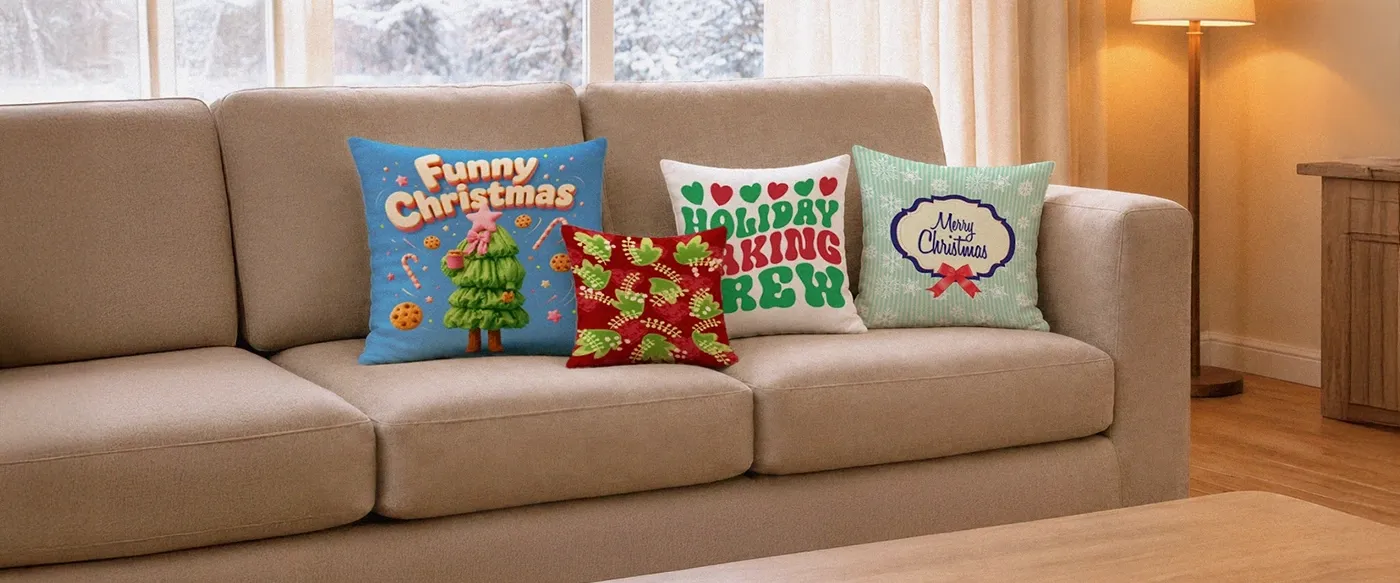
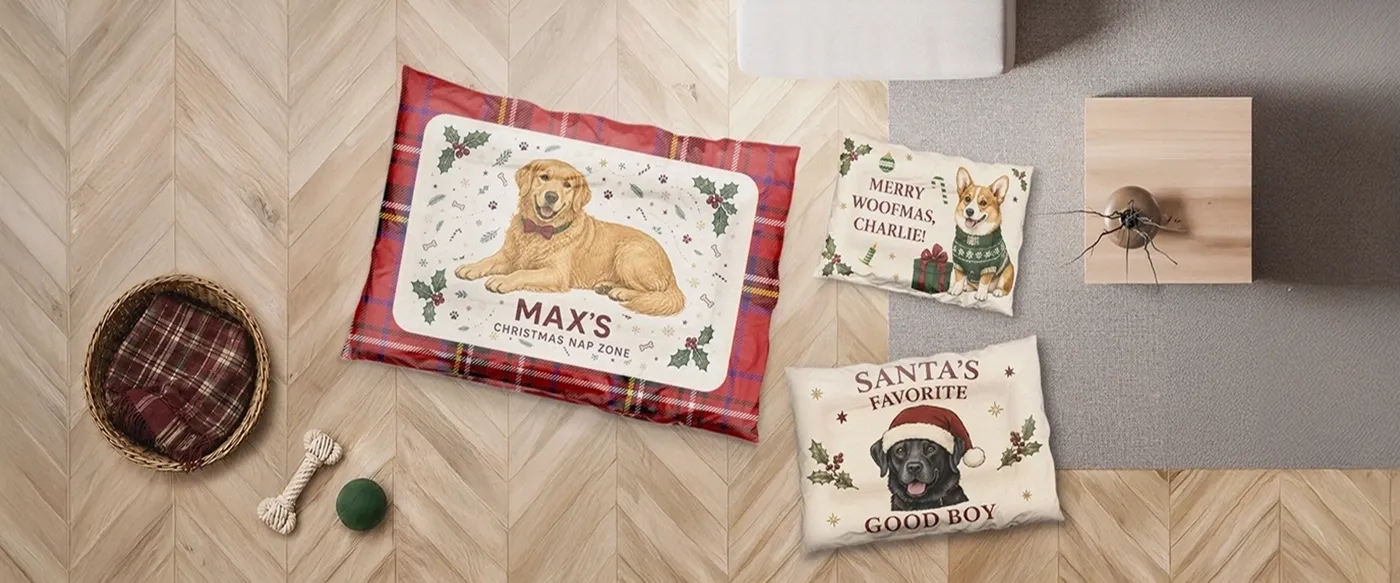
Premium pillows work well for white-label home décor brands because they are giftable, visible in the home, and easy to personalize. Pet portrait pillows, family name pillows, wedding pillows, and seasonal designs all convert in the gift-buying context. Pillows also bundle naturally with blankets, mugs, wall art, and pet products — which makes them useful for increasing average order value without adding product development complexity.

5. Custom Photo Puzzles

Custom photo puzzles turn a family photo into both a gift and an activity. They perform well for grandparents, weddings, anniversaries, pet portraits, travel memories, and holiday gifting — occasions where the photo has strong emotional meaning and the recipient has time to engage with the product. The listing copy matters as much as the product: “a rainy-day family activity” or “a wedding photo keepsake” outperforms “custom puzzle” because it gives the buyer a specific use case to picture before purchasing.

6. Acrylic Keepsakes and Hearts

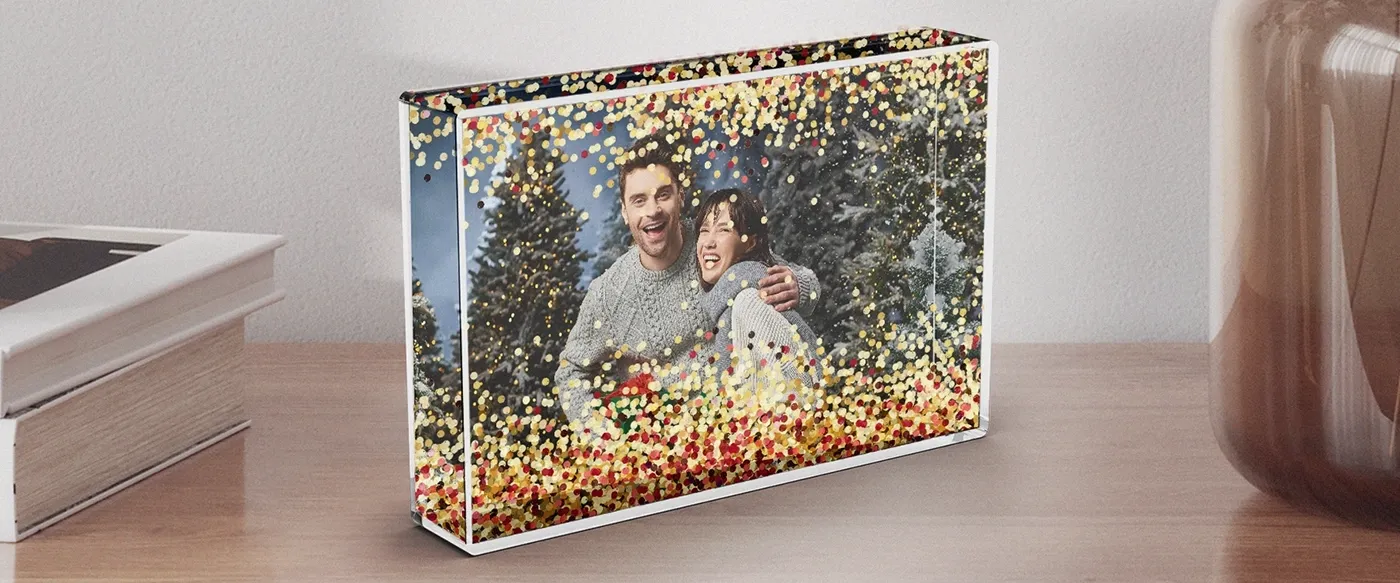
Acrylic hearts, acrylic blocks, and keepsake formats are compact, emotionally resonant, and easy to personalize. They fit wedding gifts, anniversaries, memorials, Mother’s Day, long-distance relationship gifts, and family keepsakes. Because acrylic products are typically bought as emotional gifts rather than functional items, photo clarity, product mockup quality, and listing copy carry more weight than design complexity. A simple, clear photo on a well-made acrylic format converts better than an ornate design on a cheap one.

7. Pet Portrait Products

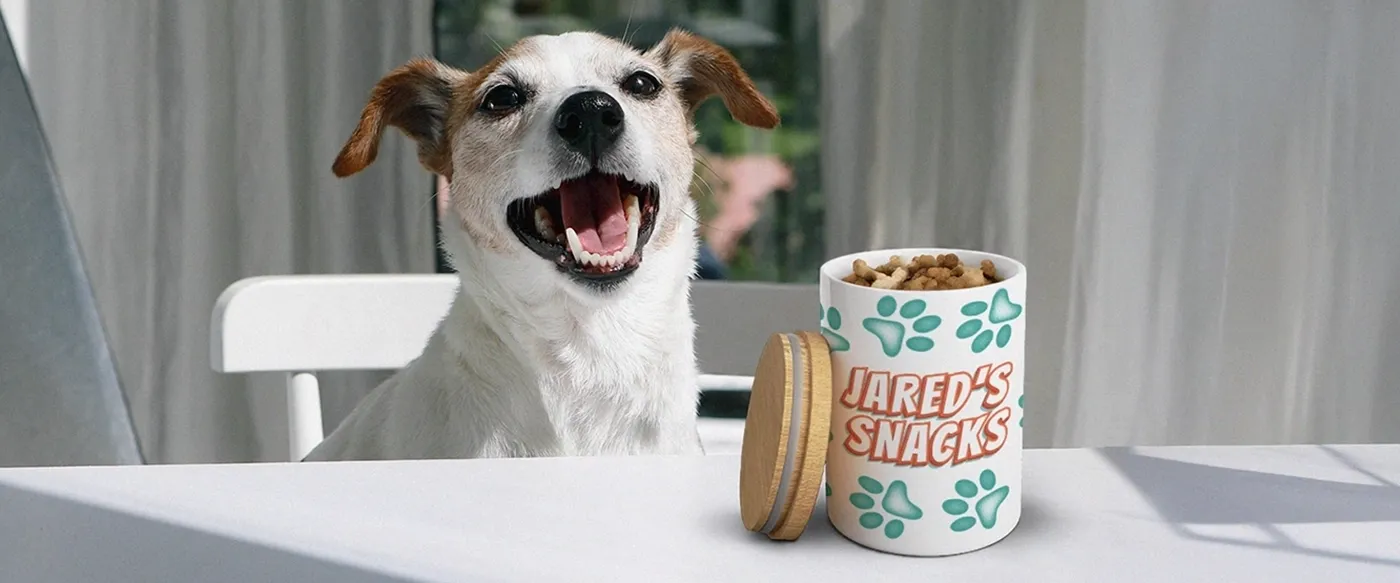
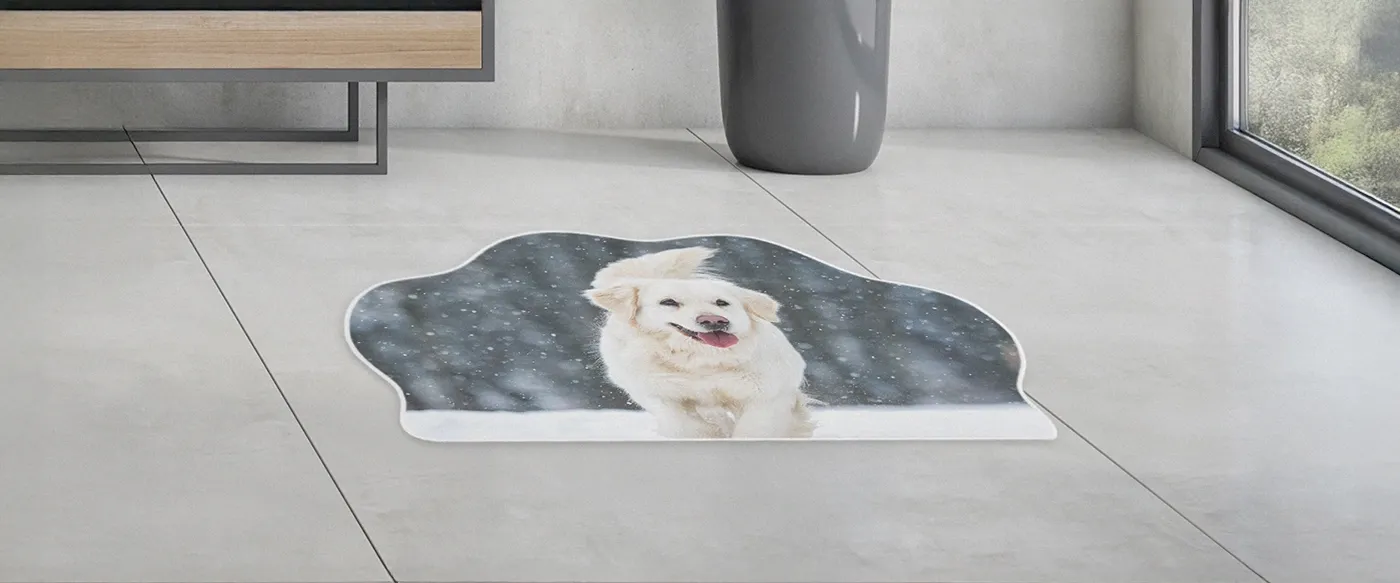
Pet portrait products are one of the most durable white-label opportunities because pet owners buy emotionally and buy repeatedly. A single pet portrait photo can become a canvas, mug, pillow, blanket, keyring, bowl, rug, or memorial product — giving the brand multiple SKUs from one buyer relationship. Breed-specific positioning outperforms generic pet designs: “Golden Retriever Mom,” “Custom Cat Memorial,” or “New Puppy Gift” gives buyers an identity-driven reason to choose the product over a generic alternative.

8. T-Shirts and Hoodies

White-label apparel featuring high-quality fabrics, durable materials, and precise print finishing works best when it is tied to identity rather than aesthetics alone. Generic graphic tees are the most crowded product category in POD. Hyper-specific apparel for hobbies, professions, faith communities, local pride, creators, events, or lifestyle tribes gives buyers a reason to wear the product that is specific to who they are — and that specificity is what makes the brand memorable to their audience.

9. Tote Bags

Tote bags are simple, publicly visible, and easy to position around shared identity. Book lovers, teachers, farmers market shoppers, students, museum shops, and eco-conscious buyers all respond to tote designs that communicate something specific about who they are and what they value. The strongest tote concepts are tight: book club totes, library totes, coastal market totes, teacher totes, faith-based totes, or local-pride designs — not “nature lover” or “I love reading.”

10. Wall Tapestries and Metal Prints

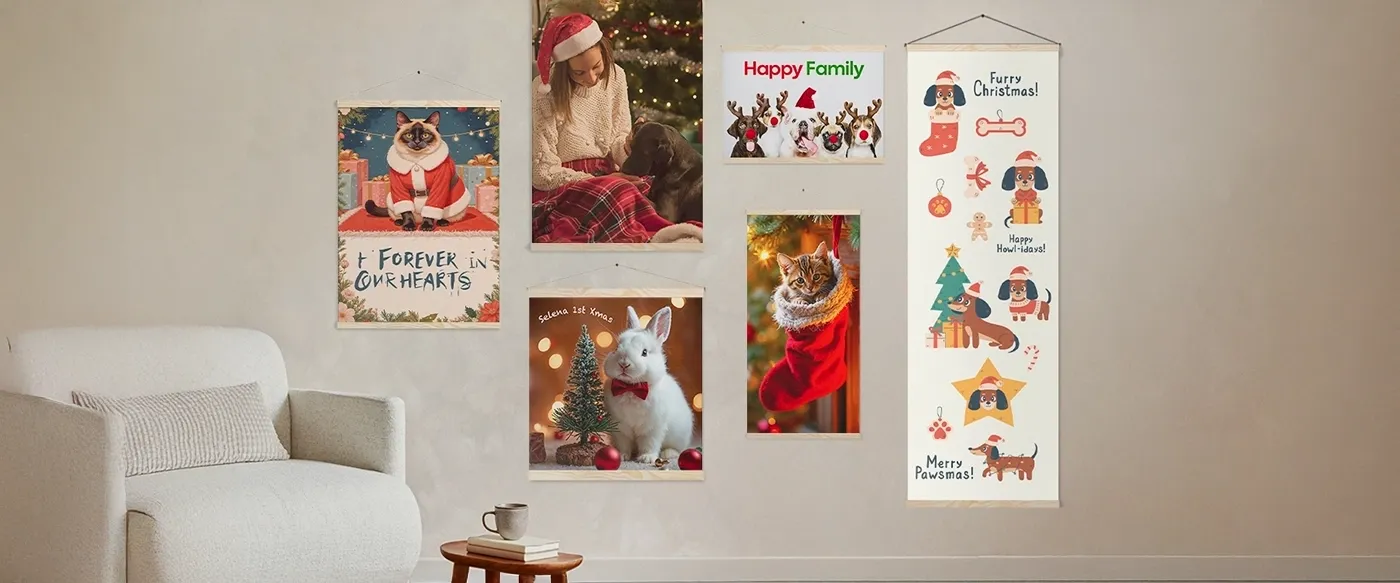
Wall tapestries serve dorm décor, boho interiors, spiritual wellness brands, music-inspired art, and renter-friendly wall decoration where drilling is not an option. Metal prints sit at the premium end — especially relevant for photography, landscape art, modern interiors, and collector-style products where the material’s depth and sheen add perceived value. Both formats expand a wall art catalog beyond standard canvas and poster, giving sellers more price tiers and more room styles to target.

11. Christmas Ornaments

Christmas ornaments are seasonal, but they create a repeat-buyer behavior that most POD products do not. Families add ornaments each year, which makes annual collection drops a sustainable white-label strategy rather than a one-time revenue spike. Strong ornament angles include baby’s first Christmas, first home, pet memorial, couple’s first Christmas together, family name ornaments, teacher gifts, and corporate holiday gifts — any occasion that recurs annually or marks a milestone.

How White-Label Margins Work

White-label margin depends on more than product cost. Sellers who model only the base cost and shipping typically discover missing margin after the first quarter of real operations — once platform fees, ad attribution, sample costs, listing renewals, replacements, and personalization tools are counted.

  • Price for perceived value, not cost plus: buyers compare the finished product against retail alternatives, not against the supplier invoice.
  • 2.5x to 3x base cost is a common starting point: lower multiples often look profitable until ad spend and replacements are included.
  • Higher-AOV products absorb fees better: framed canvas, acrylic, metal prints, pet products, and personalized gifts leave more margin per order than commodity apparel or low-ticket accessories.
  • Bundles raise order value without new SKUs: mug plus coaster, canvas plus ornament, pet portrait canvas plus matching pillow — these increase revenue per order from the same buyer.

How to Choose a White-Label Production Partner

The production partner shapes what buyers experience after the package arrives — which is when the review is written and the brand is either confirmed or undermined. Choosing correctly requires testing the details that are invisible in product mockups but visible in real orders.

  • Production model: owned production for core categories can support more consistency across orders; aggregator networks offer broader catalog range but variable output by provider.
  • Material quality: frame material, paper weight, canvas finish, ink quality, mug coating, fabric feel, and packaging condition should all be tested on actual samples before launch.
  • Fulfillment location: US and EU production reduces cross-border shipping friction for those markets — relevant for sellers with international buyers.
  • White-label packaging: verify that the production partner’s branding does not appear on packages, packing slips, tracking emails, or return labels.
  • Integration depth: Shopify, WooCommerce, Etsy, Order Desk, REST API, Customily, and Teeinblue support matter as order volume grows beyond what manual handling can sustain.
  • Policy documentation: replacement policy, return process, complaint workflow, billing structure, taxation documentation, and shipping terms should be confirmed before launch, not discovered after the first problem order.

How merchOne Fits White-Label POD Brands

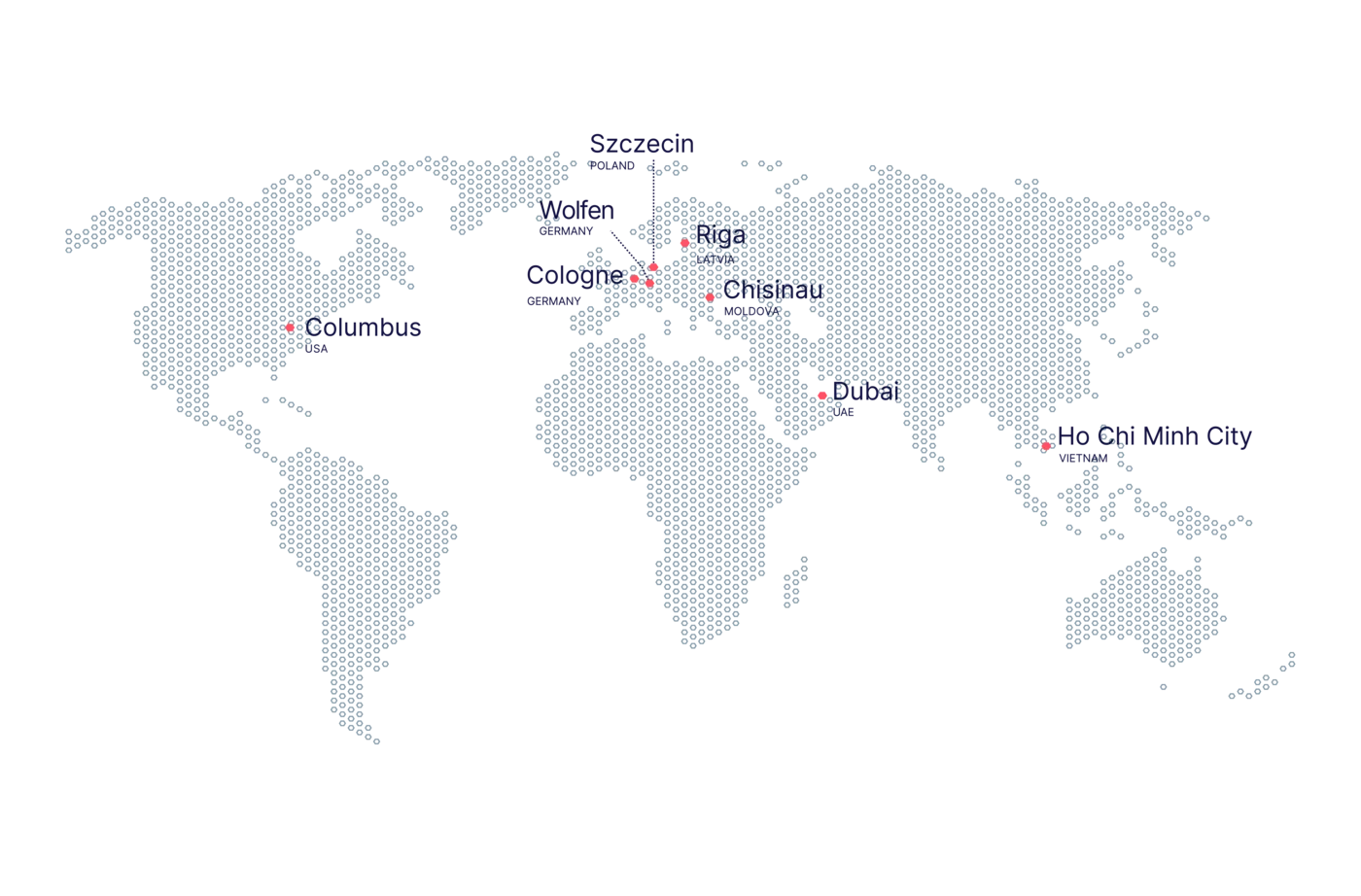
merchOne is a print-on-demand manufacturer specializing in high-quality wall art and home décor, produced in-house at four facilities the company owns and runs — three in Europe (Latvia, Poland, and Germany) and one in the US (Columbus). Wall art and home décor are manufactured using HP Latex water-based inks and FSC-certified wood frames, with timber from sustainably managed forests in Latvia. With 30,000 m² of production space and 2.5 million units of daily capacity, the operation targets 95% on-time shipping — 2 business days for canvas and posters, 3 business days for other products. White-label packaging on every order keeps the customer experience tied to the seller’s brand.

Category coverage for white-label sellers

  • Wall decoration: canvas, framed canvas, framed poster, acrylic print, metal print, wood panel, wall tapestry, photo board, MIXPIX®, and framed MIXPIX®.
  • Print-on-demand canvas: art reproductions, family prints, pet portraits, and premium wall décor.
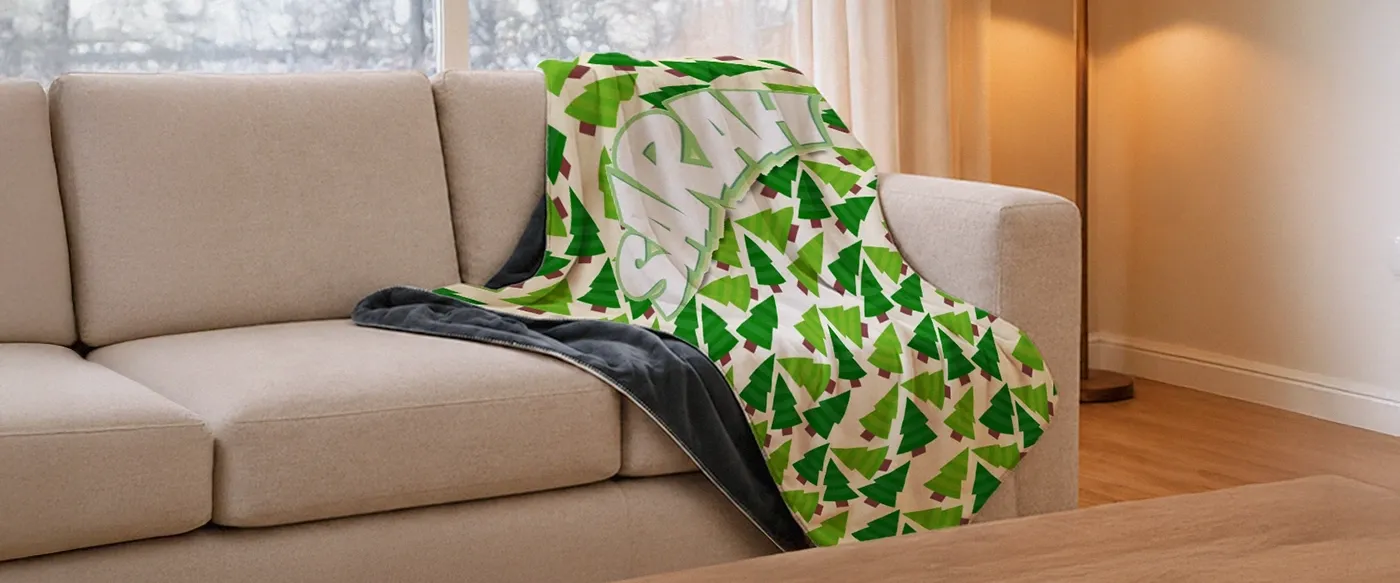
  • Home décor accessories: pillows, blankets, mugs, classic mug, magic mug, heart mug, travel mug, puzzle, tote bag, acrylic heart, heart keyring, glitter picture frame, and mouse pad.
  • Print-on-demand mugs: classic, premium, magic, heart, inner colored, and travel formats.
  • Pet products: dog bowl, dog pillow, and paw rug for pet portrait, memorial, and owner-gift brands.
  • Apparel: T-shirts, hoodies, and sweatshirts with high-quality fabrics, durable materials, and precise print finishing.

Connect through Shopify app, REST API, or Order Desk — covering Amazon, Etsy, eBay, WooCommerce, BigCommerce, TikTok Shop, and 30+ other e-commerce platforms. Customily and Teeinblue handle personalized product file preparation automatically as order volume scales.

How to Launch a White-Label Brand

  1. Choose a niche first: “pet memorial canvas for senior dog owners” is a launchable niche. “Pet products” is a category — too broad to build a brand around.
  2. Select 5 to 10 products: start focused. A tight catalog that converts is more valuable than a broad catalog that dilutes marketing spend across dozens of listings.
  3. Order samples: test print quality, packaging, delivery window, and real product photos before publishing any listing. The sample is also the source material for lifestyle photography.
  4. Build the brand system: logo, colors, typography, product naming conventions, copy tone, and packaging inserts — all before the first listing goes live.
  5. Build the storefront: Shopify, Etsy, WooCommerce, TikTok Shop, or another channel that matches where the target buyer already shops.
  6. Price with the full cost stack: product cost, shipping, platform fees, payment processing, expected ad attribution, sample amortization, listing renewals, and replacements — all before setting the retail price.
  7. Expand from data: add new products and SKUs only after the first listings demonstrate real demand and conversion rate.

Pricing, Policies, and Help Center Resources

White-label sellers should confirm product setup, shipping windows, billing, taxation, returns, print file requirements, integration setup, and platform policies before scaling. The merchOne product catalog covers base pricing across wall art, home décor, mugs, apparel, and pet products. The shipping policy and Help Center cover production regions, delivery windows, and order handling. For specific documentation: product setup and print files, shipping and tracking, orders and returns, billing and invoices, taxation and VAT, REST API integration, privacy policy, and terms of service.

Related Guides on merchOne

Frequently Asked Questions

What does white-label mean?

White-label means a product is manufactured by one company and sold under another company’s brand. The seller controls the brand name, storefront, pricing, design, and customer relationship. The manufacturer handles production, quality control, and often fulfillment. The customer sees only the seller’s brand — not the manufacturer’s name or packaging.

Are white-label products legal?

Yes. White-label products are legal when sellers use legitimate manufacturers, make accurate product claims, follow category-specific regulations, and respect intellectual property — no unlicensed brand logos, copyrighted characters, or trademark-infringing designs on the products being sold. The white-label model itself is a standard commercial arrangement used across industries from consumer goods to software.

What is the difference between white-label and private-label?

White-label uses an existing product that multiple sellers can brand. Private-label modifies the product — formula, design, material specification, or manufacturing process — to create something more exclusive to one brand. White-label is faster and requires less capital. Private-label gives stronger product differentiation but requires investment, development time, and minimum order commitments.

Which white-label products are easiest to launch?

The easiest white-label POD products are low-cost to produce, easy to personalize, and simple to fulfill. Custom mugs, framed canvas, premium pillows, tote bags, acrylic keepsakes, pet products, and Christmas ornaments are practical starting points. They require no design expertise to personalize, have clear gift use cases, and are available through established POD production partners with Etsy and Shopify integrations.

Can you make money with white-label products?

Yes. Profit depends on niche selection, product quality, pricing discipline, and advertising costs. Sellers who price only from the base cost — without modeling platform fees, Offsite Ads attribution, sample amortization, listing renewals, and replacement orders — typically find margins thinner than expected. Sellers who model the full cost stack before setting prices, and choose product categories with strong AOV, consistently see better results.

Do white-label sellers need to hold inventory?

Not with print-on-demand. Traditional white-label arrangements often involve minimum order quantities and warehoused stock. POD white-label eliminates both — products are manufactured after each individual order, which means zero unsold inventory, zero warehouse cost, and no capital tied up in stock. The trade-off is that per-unit production costs are higher than bulk manufacturing, which must be factored into pricing.

What should I check before choosing a white-label supplier?

Order samples of the specific products the store will carry before committing. Check frame material and print color accuracy on canvas, wrap quality and handle durability on mugs, and packaging condition on arrival. Verify that no supplier branding appears on the outer package, packing slip, tracking email, or return label. Confirm integration compatibility with the sales channel and check replacement policy, billing documentation, shipping SLAs, and taxation documentation before the first live order.

Build White-Label POD Products With merchOne

White-label works best when the product feels branded, giftable, and reliable from first click to unboxing. Build around products buyers are willing to display, wear, use, personalize, or give — and a production partner whose quality keeps the brand promise after the first sale.

merchOne is a print-on-demand manufacturer specializing in high-quality wall art and home décor, produced in-house at four facilities in Latvia, Poland, Germany, and Columbus (US) — with 30,000 m² of production space, 2.5 million units of daily capacity, 95% on-time shipping, and white-label packaging on every order. Connect through Shopify app, REST API, Order Desk, WooCommerce, Customily, Teeinblue, and 30+ other e-commerce platforms.

Before launching, review the platform overview, shipping policy, Help Center, privacy policy, and terms of service.

author avatar
Ngan Le SEO Specialist
SEO Specialist in the ecommerce and fulfillment industry, focused on driving organic growth and optimizing marketing campaigns to maximize sustainable sales performance. Passionate about data-driven strategies, search optimization, and conversion improvement to help brands scale effectively.