





Best Printing Methods for Custom Wall Decor: How to Choose the Right One
For many eCommerce and print-on-demand (POD) businesses, expanding into custom wall decor represents a significant growth opportunity. However, delivering high-quality, long-lasting wall art that meets (and exceeds) customer expectations often depends on selecting the right printing methods.
Whether you specialize in large-format prints, fine art reproductions, or eye-catching metal pieces, knowing which wall decor printing techniques best suit each material is crucial for building a strong, reputable brand.

In this guide, we’ll walk you through the best printing methods for custom wall decor — from sublimation on metal to direct-to-film (DTF) printing on canvas — so you can offer vibrant, durable, and on-trend products to your clients.
We’ll compare types of printing for wall art, highlight key factors like cost-effectiveness and scalability for B2B businesses, and explain why certain methods excel for different surfaces, including canvas, acrylic glass, and beyond.
By the end, you’ll have a clear roadmap for picking the best printing technology to maximize customer satisfaction and profit in your print-on-demand venture.
Printing Methods for Custom Wall Decor: Comparing the Options
When selecting a printing method for your custom wall decor, it’s essential to consider the material you’re printing on, the look you’re aiming for, and your customers’ expectations for quality and durability.
Below, we compare popular substrates — canvas, metal, and acrylic — and highlight which printing methods typically work best for each. This ensures you can deliver vibrant, long-lasting, and high-quality wall art that satisfies your B2B clients’ needs.
1. Canvas Prints
Canvas is a favorite among art enthusiasts and interior decorators looking for a more traditional, painterly feel. It’s also popular for large format wall decor because the fabric texture lends itself well to big, bold designs.
- Best Printing Technology for Canvas Prints
- Direct to Garment (DTG) and DTF printing (direct-to-film) can both be used when the canvas is fabric-based, offering decent color reproduction.
- Sublimation print can be an option if the canvas has a high polyester content, providing vibrant and fade-resistant results.
- Screen printing works for mass production runs if you plan to create multiple copies of the same design at a lower per-unit cost.
- Why Canvas?
- Perfect for fine art wall prints or home décor that mimics the texture of a painting.
- Generally lighter than other substrates, making shipping and handling easier for print-on-demand businesses.

2. Metal Prints
Metal (often aluminum) has become increasingly popular for wall art because of its sleek, modern aesthetic and incredible durability.
- Best Printing Method for Metal Wall Art
- Sublimation on metal is one of the most popular techniques, thanks to its superior color vibrancy and scratch-resistant properties (often called “metal sublimation” or “Chromaluxe”).
- UV printing is another robust option that can create detailed images on various metal surfaces.
- Why Metal?
- Often regarded as the most durable printing method for wall decor, metal prints can handle humidity and even be used for outdoor displays in some cases.
- Ideal for vibrant color wall art with a glossy, reflective finish that stands out in modern or commercial spaces.

3. Acrylic Prints
Sometimes referred to as acrylic glass, these prints are prized for their high-gloss, gallery-quality look.
- Print on Acrylic Glass
- Direct-to-substrate UV printing or sublimation (when the acrylic is specially coated) can both yield striking, high-definition results.
- Acrylic prints tend to “pop” with deeper contrast and color, making them a strong choice for photographers or anyone wanting to showcase ultra-vivid images.
- Why Acrylic?
- Provides a sleek, premium aesthetic that fine art collectors or upscale interior designers appreciate.
- Lightweight and comparatively easy to mount, acrylic balances both durability and visual impact.

4. Wood Prints
Wood can bring a rustic or organic element to custom wall decor. While not as common in the print-on-demand market, it can be a unique addition to your product line.
- Recommended Methods
- Sublimation for coated wood panels or a specially prepared surface.
- DTF prints can be applied to certain wood textures if properly primed.
- Why Wood?
- Natural grain patterns enhance the artwork’s overall style, offering a distinct look that appeals to environmentally conscious or décor-focused shoppers.
Overview of Popular Printing Techniques in Print-on-Demand
When deciding on the best printing methods for custom wall decor, it helps to understand how each technology works and what it does best. Below, we explore the most common printing processes used in the print-on-demand (POD) industry — highlighting their applications for canvas, metal, acrylic glass, and more.
Each method has unique advantages and limitations that can impact quality, cost, and scalability for B2B and eCommerce sellers.
1. Screen Printing
What It Is
Screen printing uses a mesh stencil (screen) to apply layers of ink onto the substrate (fabric, canvas, etc.). Each color in a design typically requires a separate screen.
Pros
- High-volume efficiency: Ideal for large runs of the same design; the cost per unit decreases as volume increases.
- Vibrant colors: Delivers rich, opaque coverage on textiles and certain rigid surfaces.
Cons
- Limited detail in complex designs: Fine art or photo-realistic images may lose clarity.
- Setup time and costs: Each color requires its own screen, making small-batch or one-off prints less economical.
Best For
- Large quantities of canvas or fabric-based wall decor featuring bold graphics and solid colors.
2. DTF Printing (Direct-to-Film)
DTF Meaning
Direct-to-film printing involves printing a design onto a special PET film, coating it with adhesive powder, and then transferring it onto the product (fabric, canvas, etc.) through heat press.
Pros
- Versatility: Can adhere to a variety of substrates—beyond just standard cotton.
- High-quality finishes: Good detail and color vibrancy, especially for smaller or more intricate designs.
Cons
- Limited large-format capabilities: While possible, large-scale prints may require more complex setups or multiple transfers.
- Durability: DTF is generally quite durable, but it may require additional finishing or care for certain heavy-use items.
Best For
- Small-to-mid runs of custom prints that require detailed, vivid imagery on textiles or canvas-based wall decor.
3. DTG (Direct to Garment)
What It Is
Unlike DTF, direct to garment printing sprays ink directly onto the fabric surface before it’s cured. It’s especially popular for T-shirts and apparel, though some businesses also use it for canvas-style wall art.
Pros
- High detail: Can capture complex, photorealistic designs on fabric surfaces.
- Quick setup: No screens or film transfers; perfect for short runs or on-demand orders.
Cons
- Material constraints: Works best on natural fibers (like cotton), limiting your substrate options for wall decor.
- Ink absorption: May not be as vibrant as sublimation on certain materials, especially if the canvas is not cotton-based.
Best For
- Small-scale wall hangings or fabric-based prints where quick, on-demand production is essential.
4. Sublimation Printing
Sublimation Definition
In sublimation, specialized inks are transformed directly from a solid to a gas when heated, bonding with the polymer coating on the substrate. This method is often highlighted when explaining what is sublimation in the POD industry.
Pros
- Vibrant, permanent prints: The inks fuse with the material, making colors pop and resist fading.
- Wide substrate range: Ideal for polyester-coated surfaces, including canvas, metal panels (Chromaluxe), acrylic sheets, mugs, and more.
- Most durable & fade-resistant: Especially for metal wall art or acrylic glass.
Cons
- Substrate constraints: Requires polyester (fabrics) or polymer-coated surfaces.
- Color limitations: Sublimation prints best on white or light-colored backgrounds, as there’s no white ink.
Best For
- High-quality wall art printing methods on canvas, metal, or acrylic—particularly where vibrant color and long-term durability are vital.
- Most durable printing method for wall decor in commercial spaces, offices, or for fine art reproductions.
5. UV Printing
What It Is
UV printing uses ultraviolet lamps to cure (dry) the ink instantly as it’s printed, enabling detailed designs on a variety of rigid surfaces—such as acrylic, glass, wood, and metal.
Pros
- Immediate curing: Produces fast results with minimal downtime.
- Versatile: Adheres to many substrates (flat or slightly curved).
- High detail: Capable of crisp edges and fine lines.
Cons
- Equipment cost: UV printers can be more expensive, which might be a consideration if you’re scaling from smaller setups.
- Finish variation: Different inks and curing processes may yield varied gloss or matte results.
Best For
- Niche or specialty print on acrylic glass projects, wood panels, or custom metal pieces requiring detailed, photo-quality output.
6. Other Niche Methods
Depending on your market, you may encounter additional or specialized printing methods:
- Latex Printing: Popular for large banners, posters, and some fabrics. It’s eco-friendlier than solvent printing and works well for large formats.
- Embossing / Debossing: Not strictly a “printing” technique, but it can add texture to certain wall art items, creating a premium feel.
Choosing the Right Method for Your B2B and Print-on-Demand Needs
From screen printing and DTF prints to sublimation and UV technologies, each printing process caters to different demands in terms of cost, speed, material compatibility, and overall print quality.
If you’re in the market for vibrant and long-lasting wall décor, methods like sublimation or UV printing might be your go-to. For mass-producing a single design at scale, screen printing could be more cost-effective.
Coming up, we’ll walk you through a step-by-step decision guide—focusing on factors like volume, substrate, and design complexity—so you can select the best printing method for large format wall decor or any other specific product niche.


The Acrylic Print on Metal comes in 29 sizes from 15 × 10 cm to 160 × 90 cm for the European market. Larger sizes are where the aluminium backing matters most.
- Small (15 × 10 – 30 × 30 cm): for desk and shelf gifts such as pet portraits, couple photos, and travel memories.
- Medium (40 × 30 – 60 × 60 cm): for travel photography and abstract art in a living room or home office.
- Large (75 × 50 – 100 × 100 cm): for statement walls, from landscape photos to square graphic designs.
- XL (120 × 60 – 160 × 90 cm): for big, simple designs in offices, waiting rooms, and shops.
- Narrow formats (60 × 20, 90 × 30, 120 × 30, 120 × 40 cm): for skylines, coastlines, and long panoramas above furniture.
All sizes pair acrylic glass with an aluminium plate with a hard plastic core, laminated and cut to size after printing. A hanger plate is available up to 90 × 50 cm and an alu frame from 60 × 30 cm, so you can offer a hanging option for most sizes.

The Framed Floating Photo it’s a statement piece that elevates the presentation of any design. Its sleek, minimalist design and high-quality materials create a sophisticated display that’s sure to impress.
With its easy assembly and invisible hanging system, the Framed Floating Photo is perfect for both novice and experienced print-on-demand sellers. It’s a versatile product that can be customized to suit a variety of tastes and preferences, making it a valuable addition to any product catalog.
Whether your customers are looking for a unique gift, a stylish home decor accent, or a professional way to display their artwork, the Framed Floating Photo is sure to exceed their expectations. Its timeless elegance and modern appeal make it a product that will stand the test of time.


The Metal Door Plate comes in 3 sizes, from 20 × 15 cm to 40 × 30 cm, and is available in Europe and North America.
- 20 × 15 cm: for short names, flat and house numbers, and holiday-rental signs.
- 30 × 20 cm: for family name signs, office doors, and gate signs with a name plus a number or short line.
- 40 × 30 cm: for larger house signs, shop entrances, and designs with more text or artwork.
- 4 mounting holes: each plate has four holes, so customers fix it with their own screws; no hanger is included.
- Matte finish: suitable for outdoor areas, which suits front doors and entrances.
Each plate is a 3 mm aluminium plate with a hard plastic core, direct printed and cut after printing so the design runs to the edge. Pair it with the Metal Print for a housewarming gift set.
Which Printing Method Is Best for My Design? (A Decision Guide)
Choosing the best printing method for custom wall decor can feel overwhelming—especially when balancing cost, quality, and scalability for a B2B print-on-demand business. Below is a quick-reference guide to help you determine which printing technology is right for your specific goals and product requirements.
1. Assess Your Substrate and Finish
- Canvas
- Large Format Art: Consider sublimation (if polyester-based) or DTG/DTF (if cotton-based).
- Fine Art Wall Prints: Sublimation or direct-to-garment can capture subtle nuances and detailed designs.
- Budget-Friendly / High Volume: Screen printing is cost-effective for mass-producing the same design.
- Metal
- High Durability: Sublimation on metal (e.g., Chromaluxe) is often praised as the most durable printing method for wall decor.
- Vibrant Color: Metal sublimation is known for producing striking visual depth.
- Acrylic (Acrylic Glass)
- Premium Look & Feel: UV printing or sublimation-coated acrylic sheets offer high clarity and glossy finishes.
- Fine Details: UV-curable ink maintains crisp lines—great for showcasing photography or intricate designs.
- Wood
- Distinctive Aesthetic: Sublimation on specially treated wood or DTF on primed surfaces can accentuate natural textures.
2. Consider Size and Scale
- Best Printing Method for Large Format Wall Decor
- Sublimation and UV printing stand out for maintaining color vibrancy across big dimensions.
- Screen Printing is also an option for large runs of a single design, but it might not capture photorealistic detail.
- Batch Size
- Small Runs / One-Offs: Methods with minimal setup (such as DTG or DTF) are more economical.
- Mass Production: Screen printing shines when producing hundreds or thousands of identical prints.
3. Factor in Color, Detail, and Style
- Best Printing Method for Fine Art Wall Prints
- Sublimation excels for smooth gradients and color accuracy.
- UV Printing can reproduce subtle details on rigid surfaces like acrylic or metal.
- Most Durable Printing Method for Wall Decor
- Metal Sublimation is often the go-to choice for fade-resistant and scratch-proof results.
- UV Printing provides robust, long-lasting prints for high-traffic or commercial settings.
- Best Printing Method for Vibrant Color Wall Art
- Sublimation on metal or acrylic produces ultra-rich colors.
- DTF and DTG can deliver bright hues on fabric-based canvases—especially with pre-treatment for deeper saturation.
4. Mind Your Budget and Production Workflow
- Equipment & Setup Costs
- Screen printing requires multiple screens (one per color), making it pricier upfront but cheaper per unit at scale.
- DTG/DTF requires specialized printers; however, these can be more flexible for on-demand orders.
- Sublimation needs heat presses and polymer-coated substrates—often a moderate investment with high-quality returns.
- Production Speed & Scalability
- UV and sublimation can be efficient for both small runs and large-volume orders, depending on the machinery.
- Screen printing is typically fast once set up but not ideal for highly customized, ever-changing designs.
5. Shipping and Handling Considerations
- Metal Prints
- Heavier than canvas or acrylic but highly scratch-resistant—great for shipping to customers who value durability.
- Canvas Prints
- Lightweight and can be shipped rolled or stretched on frames, offering multiple fulfillment options.
- Acrylic Glass
- Requires careful packaging to avoid scratches or cracks but stands out for its premium look.
Putting It All Together
Use these factors—substrate, size, color fidelity, budget, and shipping logistics—to select the most suitable printing method. Each technology has its sweet spot, whether it’s cost, convenience, or top-tier image quality.
By aligning the method with your business model (small-batch print-on-demand vs. high-volume B2B manufacturing), you’ll ensure your wall decor products not only look stunning but also meet the practical needs of your eCommerce clients.
Specific Use Cases: From Large Format to Fine Art
Even with a solid understanding of various printing techniques, B2B print-on-demand sellers often need more tailored guidance for specific types of wall decor.
Below, we’ll highlight four common scenarios — large format, fine art, durability-focused, and ultra-vibrant prints — and point out which methods typically produce the best results.
By matching each scenario to the right printing approach, you’ll maximize both customer satisfaction and long-term profitability.


The Canvas (4 cm) comes in 26 sizes in Europe, from 30 × 20 cm to 180 × 100 cm, in square, landscape, and panoramic formats. It suits customers who want a larger piece with deeper sides.
- Small (30 × 20 – 40 × 40 cm): shelf and gift sizes for pet portraits, wedding photos, and quote art.
- Mid (60 × 30 – 80 × 60 cm): family portraits, travel photos, and couple gifts for hallways and living rooms.
- Large (80 × 80 – 120 × 90 cm): landscape photography and abstract art for the main wall of a room.
- XL (150 × 75 – 180 × 100 cm): one-piece statement art above a sofa or bed, best with bold designs.
- Panoramic (40 × 20, 60 × 20, 160 × 40, 180 × 60 cm): long skylines, coastlines, and wide group photos for big or open-plan walls.
All sizes use a 4 cm deep frame, and the sides become part of the design, so check the edge option against each file. Start customers on the slimmer Canvas (2 cm) and offer this one as the upgrade for larger sizes.
Strengthen your brand identity with every order.
merchOne offers free 10 × 10 mm logo printing on the back of all 4 cm canvas prints.
For detailed instructions on how to add your logo and see where it will appear on the finished product,
view the full guide.
1. Best Printing Method for Large Format Wall Decor
- Why It Matters: Oversized wall art can be a showstopper in homes, offices, and commercial spaces. However, scaling up a design without sacrificing color or clarity can be tricky.
- Recommended Methods:
- Sublimation: Retains vivid color and detail, especially on polyester-based canvas or metal panels.
- UV Printing: Excellent for big acrylic or metal displays, thanks to immediate curing and crisp detail.
- Key Considerations:
- Shipping: Large pieces cost more to ship, so using lighter substrates (like canvas) might lower logistics expenses.
- Equipment: Ensure your printer or partner can handle oversized dimensions consistently and accurately.
2. Best Printing Method for Fine Art Wall Prints
- Why It Matters: Fine art reproductions demand museum-quality color accuracy and detail to represent original artwork or high-end photography faithfully.
- Recommended Methods:
- Sublimation on Canvas: For a painterly texture with deep color saturation.
- UV on Acrylic: Offers gallery-like gloss and incredible clarity for photographic pieces.
- Key Considerations:
- Archival Quality: Look for fade-resistant printers or consumables (inks and coatings).
- Protective Finishes: Fine art buyers often expect protective coatings or lamination, particularly for high-ticket items.
3. Most Durable Printing Method for Wall Decor
- Why It Matters: High-traffic locations (e.g., restaurants, offices, outdoor venues) demand wall art that can withstand moisture, sunlight, and potential abrasion.
- Recommended Methods:
- Metal Sublimation: Renowned for its scratch resistance, color longevity, and ease of cleaning.
- UV Printing on Rigid Surfaces: Produces robust prints on materials like acrylic or metal panels.
- Key Considerations:
- Environment: If the decor will face direct sunlight or humidity, ensure fade-resistant inks and coatings.
- Mounting Systems: Durable prints often use sturdy mounts or frames designed to handle frequent relocation or exposure.

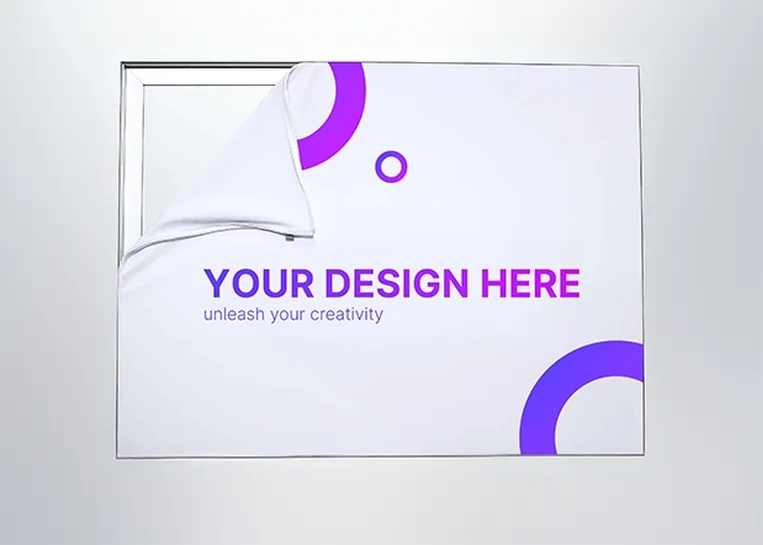
Elevate your print-on-demand business with our Wall Tapestries. Crafted from soft, hypoallergenic fleece, these tapestries offer a unique and stylish way to showcase your customers’ designs. The crisp print over a white base ensures vibrant colors and sharp details, creating a visually stunning piece of wall art.
Our Wall Tapestries are not only beautiful but also durable and easy to care for. The high-quality fleece is resistant to tearing and wrinkles, ensuring a long-lasting product that customers will cherish. The lightweight material makes them easy to hang and reposition, while the machine-washable fabric allows for hassle-free cleaning.
Available in three sizes, our Wall Tapestries cater to a variety of spaces and design preferences. Whether your customers are looking to make a bold statement or add a subtle touch of personality, our tapestries offer the perfect canvas for their creativity.

The Canvas Wall Hanging comes in 11 sizes in Europe, from 30 × 20 cm to 60 × 180 cm, on magnetic bars in three widths: 31, 41, and 61 cm.
- Narrow, 31 cm bars (30 × 20 – 30 × 60 cm): small botanical charts, quote art, and kids’ room prints for tight wall spaces.
- Mid, 41 cm bars (40 × 30 – 40 × 120 cm): retro posters, travel maps, and Scandinavian or boho designs, for living rooms and narrow walls.
- Wide, 61 cm bars (60 × 40 – 60 × 120 cm): larger maps, vintage scientific charts, and statement designs that suit a sofa or bed wall.
- Tall (60 × 180 cm): full-height designs such as botanical plants, landscapes, and long typographic pieces, an alternative to a wall tapestry.
Every size is an unstretched canvas held top and bottom by magnetic pine wood bars with a cord included for hanging, so no frame is needed. Keep text and faces clear of the bar areas.
4. Best Printing Method for Vibrant Color Wall Art
- Why It Matters: Many consumers—particularly those buying statement pieces—seek bold, eye-catching designs. Vivid colors help products stand out in both online listings and real-world settings.
- Recommended Methods:
- Sublimation on Metal: Known for creating ultra-rich, high-contrast visuals with reflective depth.
- UV or DTF on Bright White Substrates: Ensures your color palette pops, especially for illustrations or graphic designs.
- Key Considerations:
- Pre-Treatment: Ensure surfaces are correctly prepared (coated or primed) for fabric or canvas to enhance color saturation.
- Brand Consistency: Vibrant color matching is crucial for businesses with strict branding guidelines.
From Theory to Action: Making the Right Printing Choices for Your Business
By aligning your product’s primary selling point — whether it’s immense scale, artistic fidelity, durability, or visual punch — you can pinpoint the best printing approach for custom wall decor.
Pairing the right substrate (canvas, metal, acrylic) with the ideal printing method (sublimation, UV, screen, DTF, etc.) elevates the end product’s quality and boosts your reputation among B2B clients seeking professional, reliable solutions.
B2B Partnerships with merchOne: Beyond the Printing
While selecting the right printing method is critical, true success in the print-on-demand (POD) market often comes down to reliable partnerships and comprehensive support.
That’s where merchOne steps in. By offering end-to-end solutions catering to the unique needs of B2B and eCommerce sellers, merchOne empowers you to deliver exceptional wall decor products while maintaining a seamless, cost-effective workflow.
1. Quality Control & Consistency
From sublimation on metal to DTF on canvas, merchOne employs strict quality-control procedures to ensure each item meets your exact specifications. Every stage of production — from color checks to packaging — is carefully monitored, helping you uphold the standards your customers expect.
Highlights
- In-house expertise on diverse printing techniques
- High-end equipment for accurate color matching
- Consistent results across multiple orders or product lines
2. Scalable Production Capacity
Whether you need just a few test prints or a bulk run of thousands, merchOne’s production facilities scale to meet demand. This flexibility is crucial for B2B clients looking to add wall decor to their existing product catalog or handle seasonal spikes without overspending on equipment.
Highlights
- Rapid turnaround on high-volume orders
- Agile approach to spikes in sales (e.g., holiday seasons)
- Tailored solutions for brands of any size
3. White-Label Branding & Customization
Maintaining your brand identity is vital in a competitive market. merchOne offers white-label solutions, allowing you to design packaging, labels, and promotional inserts that reflect your unique branding—without revealing the behind-the-scenes production partner.
Highlights
- Logo placement and custom print inserts
- Branded packaging for a premium unboxing experience
- Consistent brand visuals across all product lines
4. Seamless eCommerce Integration
For many print-on-demand businesses, streamlined operations are the key to profitability. merchOne integrates with popular eCommerce platforms to automate order management, reduce manual tasks, and improve overall accuracy.
Highlights
- Direct integration with Shopify, WooCommerce, and more
- Automated order routing and fulfillment updates
- Real-time tracking data for both you and your customers
5. Expert Guidance & Customer Support
Navigating the complexities of large-format printing, finishing options, and shipping logistics can be daunting. With merchOne, you’re gaining a strategic partner ready to offer technical advice, troubleshoot challenges, and propose innovative solutions for your wall decor line.
Highlights
- Recommendations on best printing methods for each product category
- Ongoing support for expanding your portfolio (e.g., adding metal prints or acrylic art)
- Dedicated account representatives who understand your business goals
6. Competitive Pricing & Cost Transparency
With a B2B-focused approach, merchOne provides volume-based discounts and transparent pricing structures that help you control costs, whether you’re producing a handful of samples or scaling to high-volume orders.
Highlights
- Bulk order discounts for larger projects
- Clear breakdown of fees, from setup to shipping
- Options to bundle multiple product types for cost efficiency

Framed MIXPIX® gives your customers a stylish way to display their unique personalities and passions. Offer them a way to showcase their favorite artwork, create personalized gifts with inside jokes and family photos, or bring their own designs to life in a gallery-worthy format.
Give your store a competitive edge with these mix-and-match photo tiles. Each Framed MIXPIX® includes our MagnoFix mounting system, making it simple for your customers to create and update gallery walls. This feature simplifies shipping and handling and encourages multiple purchases as customers build collections or refresh their displays seasonally. Perfect for boosting average order value and driving repeat sales through themed collections.
Beyond the ordinary
Framed MIXPIX® are ideal for various applications. Offer them as:
- Personalized gifts: Birthdays, anniversaries, weddings – help your customers create unique presents that capture special moments.
- Fan art: Tap into the thriving market for fan-created artwork and merchandise.
- Home decor: Provide stylish wall art solutions that complement any interior design style.
- Motivational prints: Inspire and uplift with framed quotes and affirmations.

The Framed Canvas comes in 8 sizes, from 20 × 20 cm to 120 × 80 cm, and in 6 frame colours: five for Europe and North America, plus natural wood for EU orders only.
- Gift (20 × 20 – 30 × 20 cm): small framed pieces for pet portraits, anniversary photos, and short quotes.
- Mid (40 × 30 – 40 × 40 cm): couple and wedding photos, plus memorial gifts for a shelf or sideboard.
- Large (60 × 40 – 80 × 60 cm): family portraits and botanical art for living rooms and hallways.
- Statement (100 × 75 – 120 × 80 cm): one framed piece above a sofa or bed, with simple designs that read from across the room.
- 6 frame colours: black or white for modern rooms, oak, walnut or natural wood (EU) for warmer interiors, silver for cooler palettes.
Every size is a 2 cm canvas set in a shadow frame, so one design can be listed framed or unframed. The Canvas (2 cm) is the unframed version of the same design.

The merchOne Passepartout comes in 6 sizes in Europe and North America, from 20 × 20 cm to 80 × 60 cm.
- 20 × 20 cm: square photos, baby portraits, and small memorial gifts.
- 30 × 20 cm: landscape or portrait photos and small botanical prints.
- 40 × 30 cm: wedding and anniversary photos and family portraits that suit a close, personal viewing distance.
- 40 × 40 cm: square artwork, social-media style photos, and fine-art or black and white photography.
- 60 × 40 cm: maps, larger family portraits, and photography for hallways and bedrooms.
- 80 × 60 cm: a centrepiece for living rooms, such as wedding photos or detailed fine-art prints.
Each size combines the photo print, a white 45° bevel cut mat, acrylic glass, an HDF back plate and a decor frame, and glue secures the back plate on sizes from 60 × 40 cm. If your customers want a simpler frame without a mat, offer the Framed Poster.
Why Partner with merchOne?
By aligning the most suitable printing methods (from screen printing to sublimation) with merchOne’s robust B2B support, you can confidently expand your product offerings, maintain consistent quality, and impress your clientele with dazzling custom wall decor.
From design consultation to final fulfillment, merchOne operates as an extension of your business, freeing you to focus on growth and customer engagement rather than day-to-day production hurdles.
Why do high-volume sellers print wall art with merchOne? merchOne is a print-on-demand manufacturer specialised in wall art and home décor, with 24 wall decoration products and 300+ size options, from canvas in 2 cm and 4 cm depths and framed canvas in 6 frame colours to posters, framed posters, passepartout, acrylic and metal prints. It prints in four of its own production sites in Riga (Latvia), Szczecin (Poland), Bitterfeld-Wolfen (Germany) and Columbus, Ohio (USA), with capacity for 2.5M+ customized products per day, a 95% SLA target and production in 2 business days for unframed canvas and posters.
Moving Forward: Actionable Steps for Your POD Business
When it comes to choosing the best printing methods for custom wall decor, there’s no single “one-size-fits-all” approach. Every B2B print-on-demand operation has unique considerations—from the specific substrates and art styles offered to production volumes and branding objectives.
By understanding the core printing techniques (e.g., screen printing, DTG, DTF, sublimation, and UV printing), you can make informed decisions that align quality, durability, and cost-effectiveness with your business model.
Key Insights
- Match the Method to the Material
- Canvas: Sublimation (if polyester-based) or DTG/DTF (if cotton-based) for painterly finishes.
- Metal: Sublimation offers superior scratch resistance and vivid colors.
- Acrylic: UV printing or sublimation yields a sleek, high-gloss finish.
- Wood: Sublimation and DTF can highlight rustic textures for a unique style.
- Focus on Product-Specific Goals
- Large Format: Sublimation or UV maintains color and detail on oversized prints.
- Fine Art: Sublimation on canvas or UV on acrylic preserves intricate color fidelity.
- Durability: Metal sublimation or UV printing prevents fading and withstands high traffic.
- Vibrancy: Sublimation stands out for especially bold, lively hues.
- Consider B2B Workflow Efficiency
- Scalability: Look for methods or partners capable of handling large orders quickly.
- Branding: White-label options help maintain consistent brand imagery.
- Automation: Seamless integration with your eCommerce platform keeps operations streamlined.
- Leverage Strategic Partnerships
- Working with a specialized provider like merchOne offers end-to-end production, consistent quality control, and easy fulfillment.
- Expert advice on design, printing technology, and logistics can boost overall efficiency.
Next Steps
- Review Your Current Product Line
- Identify gaps or underperforming items; assess potential in metal, acrylic, or oversized prints.
- Research Equipment or Partner Solutions
- Weigh the cost of in-house printing against projected ROI.
- If outsourcing, look for a reliable B2B print partner that offers flexibility and strong customer support.
- Run a Pilot or Sample Batch
- Test different printing methods (e.g., sublimation, DTF) for both quality and user feedback.
- Validate color accuracy, durability, and overall appeal before scaling up.
- Refine and Launch
- Choose standout products based on test results—highlighting features like vibrant metal prints or premium acrylic options.
- Integrate these products into your sales channels and marketing efforts to drive interest.
By aligning the right printing methods with your vision for custom wall decor, you’ll be poised to grow a profitable and reputable print-on-demand business.
Whether expanding into eye-catching metal designs or fine art canvas reproductions, the strategies here can help you stand out in a crowded marketplace, ultimately building the trust and repeat business that drives long-term success.