The Creator Merch Economics Report 2026: 6 Personas, 5 Tiers, Real Numbers
For creators, merch is no longer only a side product. It can become the most controllable revenue stream because it scales with superfans, not only total followers, streams, views, or platform payouts.
This report breaks down creator merch economics across Spotify artists, podcasters, YouTubers, Twitch streamers, photographers, and indie musicians — with a practical focus on product tiers, AOV, return rates, seasonal timing, international fulfillment, and catalog mix.
Related article: Sell Custom Merchandise With merchOne

Key Takeaways
- Superfans drive merch economics: a smaller creator with a committed fanbase can outperform a larger creator with weak purchase intent.
- Five-tier catalogs beat single-product stores: entry, identity, collector, seasonal, and personalized products serve different buyer moments.
- Wall art raises perceived value: framed canvas, posters, and collector prints can lift AOV even when they represent a smaller share of unit sales.
- Return rates vary by category: apparel returns are often driven by sizing, while wall art, mugs, and personalized products usually create different support patterns.
- Timing matters: merch should be ready before the album, episode, video, stream event, exhibition, or tour moment goes live.
- International fulfillment affects conversion: creators with global audiences need to solve shipping cost, customs friction, and delivery time early.
- Sustainability claims must be specific: certifications, traceable materials, and concrete production details are stronger than vague eco language.
Quick Answer Table: Creator Merch Economics
Creator merch works when each product has a job. A catalog with only three T-shirt colors leaves too much buyer intent uncaptured.
| Tier | Buyer intent | Product examples | Commercial role |
|---|---|---|---|
| Entry | Low-friction fan support | T-shirt, basic mug, sticker, poster | Converts casual fans |
| Identity | Public fan signal | Premium hoodie, sweatshirt, heavyweight tee | Raises apparel AOV |
| Collector | Superfan ownership | Framed canvas, signed poster, vinyl variant, premium blanket | Anchors perceived value |
| Seasonal | Limited-time urgency | Holiday drop, Wrapped canvas, anniversary edition | Creates timed demand |
| Personalized | One-of-one fan connection | Custom name, Top Listener, fan-tier print, photo product | Supports premium pricing and low comparison shopping |
Why Creator Merch Is Now a Primary Revenue Stream
Platform payouts are usually volume-dependent. Merch is intent-dependent. A creator does not need every follower to buy. They need enough fans who feel connected enough to own the product.
That is why merch can outperform streams, views, tips, or ad revenue for mid-size creators. A single physical product purchase can be worth far more than thousands of passive content impressions. The real lever is not total audience size. It is the percentage of the audience that behaves like superfans.
Practical takeaway: Build merch around the highest-intent fan moments: release week, viral episodes, membership milestones, stream rituals, gallery drops, tour dates, and annual fandom events.
Six Creator Personas Tracked in This Report
Each creator type has a different merch economy. The product mix that works for a Spotify artist may not work for a podcaster, streamer, or photographer.
| Creator persona | Core merch behavior | Best product direction |
|---|---|---|
| Spotify artists | Release-tied drops and profile merch shelves | Three-tier shelf: entry, identity, collector |
| Podcasters | Language, inside jokes, and listener rituals | Mugs, quote prints, inside-joke apparel |
| YouTubers | Video momentum and niche-coded identity | Apparel, mugs, mousepads, wall art, Shorts-driven drops |
| Twitch streamers | Live community and desk-visible products | Hoodies, mugs, mousepads, emote-inspired products |
| Photographers | Edition discipline and visual collecting | Framed prints, canvas, acrylic, metal prints |
| Indie musicians | Hybrid merch across Bandcamp, tour booths, and stores | Apparel, album art canvas, posters, vinyl-adjacent bundles |
Average Order Value by Product Tier
The highest-converting creator stores usually do not rely on one price point. They create an upgrade path from casual fan support to superfan ownership.
| Tier | Typical price range | Examples | Why it matters |
|---|---|---|---|
| Entry | Lower-ticket | T-shirts, mugs, stickers, small posters | Makes the first purchase easy |
| Identity | Mid-ticket | Premium hoodie, sweatshirt, heavyweight tee | Lets fans wear the community publicly |
| Collector | Higher-ticket | Framed canvas, signed poster, premium blanket | Anchors value and serves superfans |
| Seasonal | Variable | Holiday drops, Wrapped canvas, anniversary products | Creates urgency around a calendar or platform moment |
| Personalized | Mid-to-high-ticket | Custom name, fan stats, personalized art | Turns fandom into a one-of-one product |
Collector and personalized products may sell fewer units, but they often carry a larger share of revenue because they serve the fans with the strongest purchase intent.
Return Rate by Product Category
Return pressure is one of the easiest places for creator merch margins to leak. Apparel can create sizing issues. Wall art and mugs usually create more packaging and damage-related support. Personalized products need clear proofing and order-confirmation workflows.
| Category | Main risk | How to reduce it |
|---|---|---|
| Standard apparel | Sizing, fit expectations, fabric feel | Use clear size charts, fit notes, and realistic mockups |
| Premium apparel | Mismatch between price and perceived quality | Choose blanks that match the audience’s style expectations |
| Wall décor | Transit damage, color mismatch, weak packaging | Use reliable production, packaging, and realistic room mockups |
| Mugs and home goods | Breakage or buyer expectation mismatch | Use strong packaging and product-specific listing copy |
| Personalized products | Input errors, unclear customization rules | Use clear personalization fields and proofing rules |
Revenue Split: Streaming, Sponsorship, and Merch
Creators often think of merch as secondary income until they compare it with platform revenue. The strongest creator businesses treat merch as one part of a broader stack: platform monetization, subscriptions, sponsorships, live events, licensing, and product sales.
The pattern is consistent across personas: once a creator has enough engaged fans, merch can become a major revenue share because product purchases monetize intent more directly than passive content consumption.
Stanley Stella vs Gildan: When Premium Apparel Pays
Premium apparel works when the audience expects quality, fit, sustainability, and brand alignment. It can fail when the audience primarily wants low-cost heavyweight basics or joke-first merch.
Premium apparel usually works when:
- The audience skews older than teen-heavy fanbases.
- The niche is wellness, indie music, education, lifestyle, climate, art, photography, or premium creator culture.
- The creator brand feels thoughtful, design-led, or sustainability-aligned.
- The catalog also includes wall art or collector products that support a higher-value brand position.
Budget apparel usually works when:
- The audience wants casual joke merch.
- The creator serves gaming, comedy, meme, or event-driven communities.
- The buying moment is fast, low-friction, and price-sensitive.
- The product is meant to support a campaign, not become a premium wardrobe item.
The Catalog Mix Sweet Spot: Apparel Plus Décor
Single-category creator stores often leave money on the table. Apparel captures identity. Mugs capture daily ritual. Wall art captures collector behavior. Personalized products capture emotional attachment.
A practical starter mix for creators under $100K annual merch revenue:
- One premium apparel item.
- One basic apparel item.
- One wall décor item.
- One mug or home good.
- One rotating seasonal or personalized item.
Five SKUs are enough to test the fanbase without overwhelming operations. Ten SKUs are usually enough before a creator has real sales data. More products do not automatically create more revenue if each product does not have a clear job.
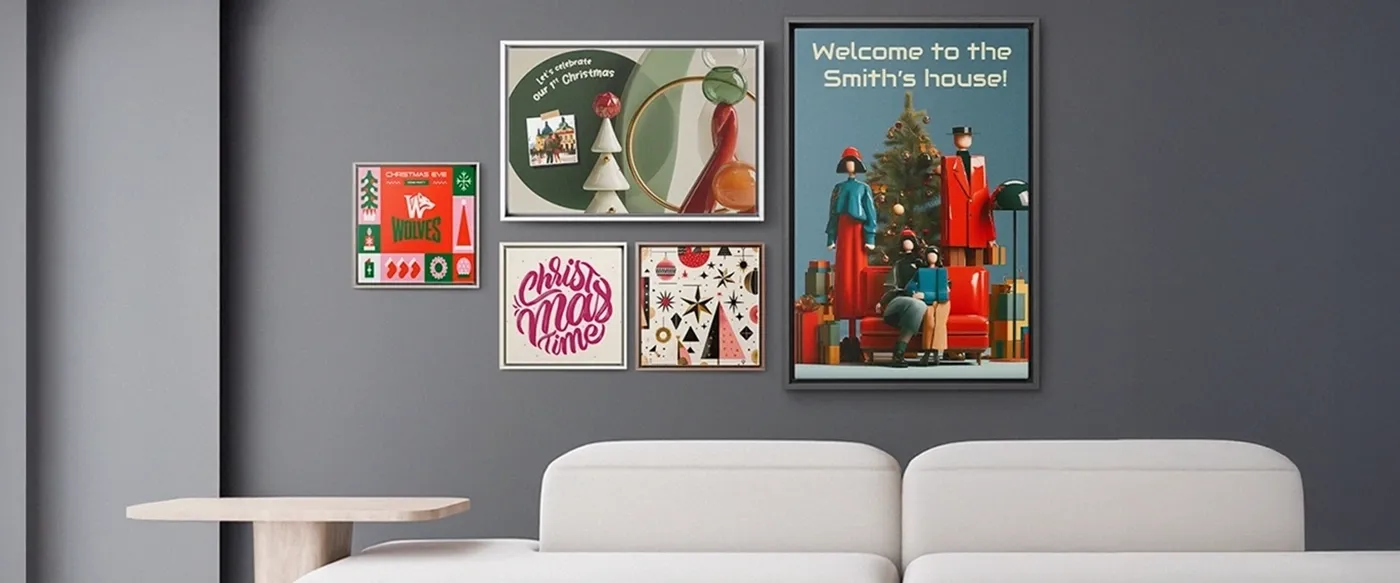
Wall décor effect: framed canvas and posters can anchor price perception across the whole store. Even when they sell fewer units, they make entry products feel more accessible and give superfans a higher-value option.
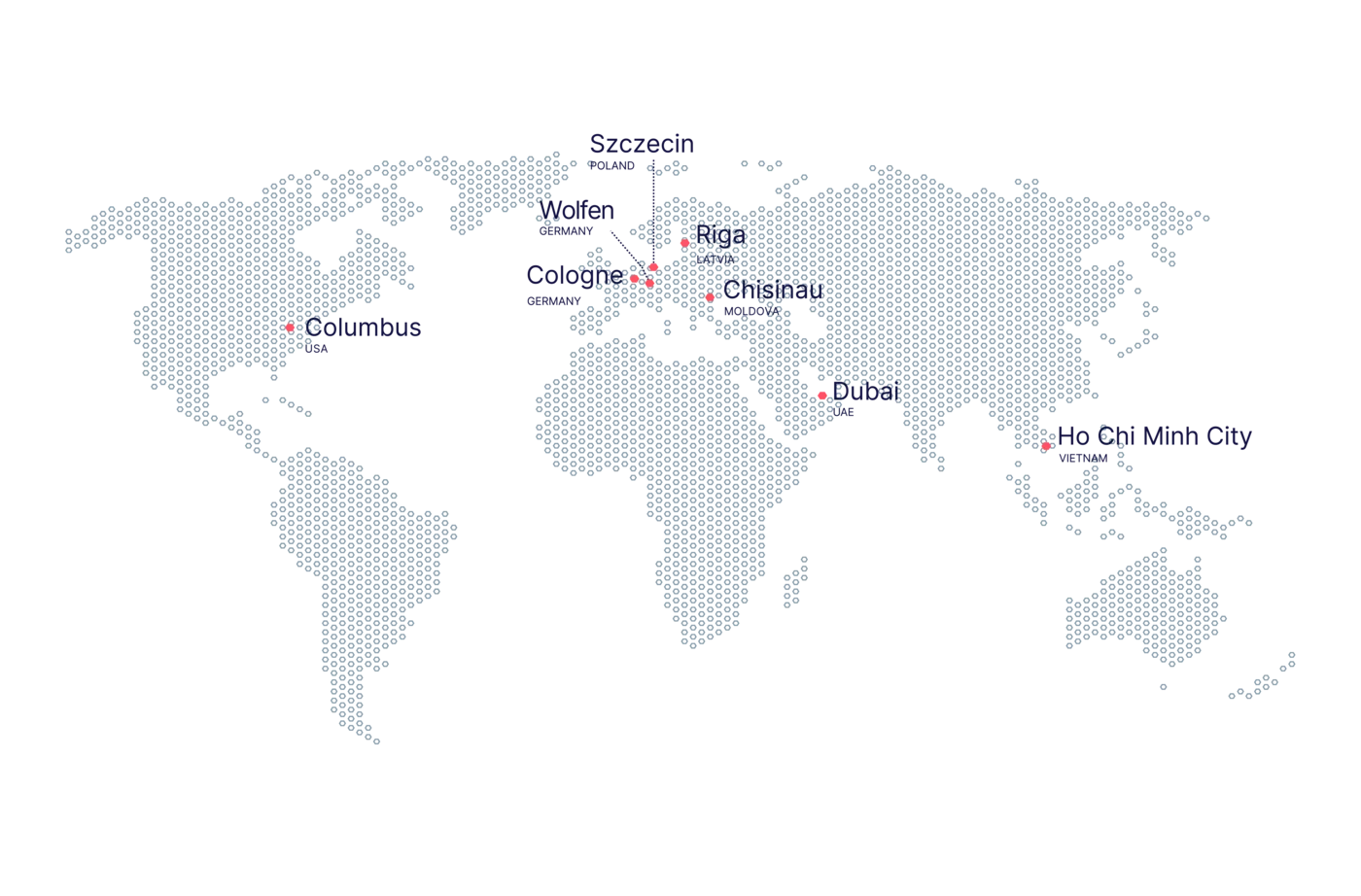
International Audiences and Dual-Region Production
Creators often build global audiences before they build global operations. That creates a gap: fans may want to buy, but shipping cost, customs delays, and delivery uncertainty can break the checkout.
| Audience mix | Fulfillment risk | Recommended setup |
|---|---|---|
| Mostly domestic | Lower shipping complexity | Single-region fulfillment may work at first |
| Mixed domestic and international | Shipping price and customs friction | Use multi-region production where possible |
| Large US and EU audience | Cross-border cost can suppress conversion | Route orders closer to buyers |
For creators with meaningful US and EU audiences, regional production is not just an operations detail. It can become a conversion lever because the checkout feels more realistic to international fans.
Sustainability Premium: What Fans Actually Respond To
Sustainability can support premium pricing, but only when the claim is specific. Vague language such as “eco-friendly” or “ethically sourced” is weaker than naming certifications, materials, production methods, and supply-chain details.
Weak sustainability claims
- Eco-friendly with no proof.
- Sustainable materials without certification.
- Ethically sourced with no traceability.
Stronger sustainability claims
- OEKO-TEX, GOTS, FSC, or other recognized certifications.
- Named material sources and production standards.
- Water-based ink details, recycled material details, and transparent manufacturing claims.
- Concrete facility-level practices instead of generic green language.
For sustainability-positioned creators, the production chain has to support the story. Fans who care about climate, wellness, art, or conscious consumption will notice whether the product details match the creator’s brand values.
The Post-Release Merch Window
Creator merch traffic usually clusters around a content event. The window differs by persona, but the operational rule is the same: products, mockups, descriptions, tags, and fulfillment settings should be ready before the moment goes live.
| Creator type | High-intent merch moment |
|---|---|
| Spotify artist | Album or single release window |
| Podcaster | Viral episode, guest moment, or inside-joke spike |
| YouTuber | Above-average video, Shorts series, or channel milestone |
| Twitch streamer | Live stream events, community rituals, tournament moments |
| Photographer | Exhibition opening, limited-edition release, travel series |
| Indie musician | Tour announcement, Bandcamp Friday, release week, vinyl drop |
Seasonal Demand Patterns by Product Category
Creator stores should plan product timing around seasonal demand, not only content calendars. A hoodie drop in cold-weather months has a different conversion environment than the same hoodie in spring. Mugs, blankets, and wall art often strengthen around holiday gifting. T-shirts benefit from warmer-weather and event seasons.
| Product category | Stronger window | Why |
|---|---|---|
| T-shirts | Spring, summer, festivals, back-to-school | Light apparel works with events and warmer weather |
| Hoodies and sweatshirts | Fall, winter, Q4 gifting | Higher comfort and gift relevance |
| Wall art | Q4 gifting, spring refresh, collector drops | Home décor and premium fan ownership |
| Mugs | Q4, office gifting, creator rituals | Low-friction gift and daily-use product |
| Personalized canvas | Spotify Wrapped, anniversaries, milestones | Turns fan identity into a keepsake |
Common Merch Business Mistakes Across Personas
- Single-tier catalogs: three T-shirt colors do not serve entry, identity, collector, seasonal, and personalized demand.
- No release tagging or placement strategy: untagged Spotify merch, missing podcast episode links, weak YouTube pins, and buried store links lose active traffic.
- Single-region fulfillment for global audiences: international fans may abandon when shipping feels too expensive or uncertain.
- Vague return policies: buyers hesitate on higher-ticket products when shipping, returns, and damage policies are unclear.
- Wrong blank for the audience: premium blanks can help thoughtful brands but may fail for price-sensitive comedy or meme-driven fanbases.
- Seasonally misaligned drops: launching products against demand patterns can suppress conversion even when the design is strong.
Pricing, Policies, and Help Center Resources
Creator merch teams need clear product setup, pricing, shipping, order handling, billing, taxation, returns, and integrations before launch week. These merchOne resources help connect campaign planning with fulfillment operations:
- merchOne pricing and platform overview for product categories, seller setup, and margin planning.
- Print-on-demand apparel for T-shirts, hoodies, sweatshirts, and creator identity products.
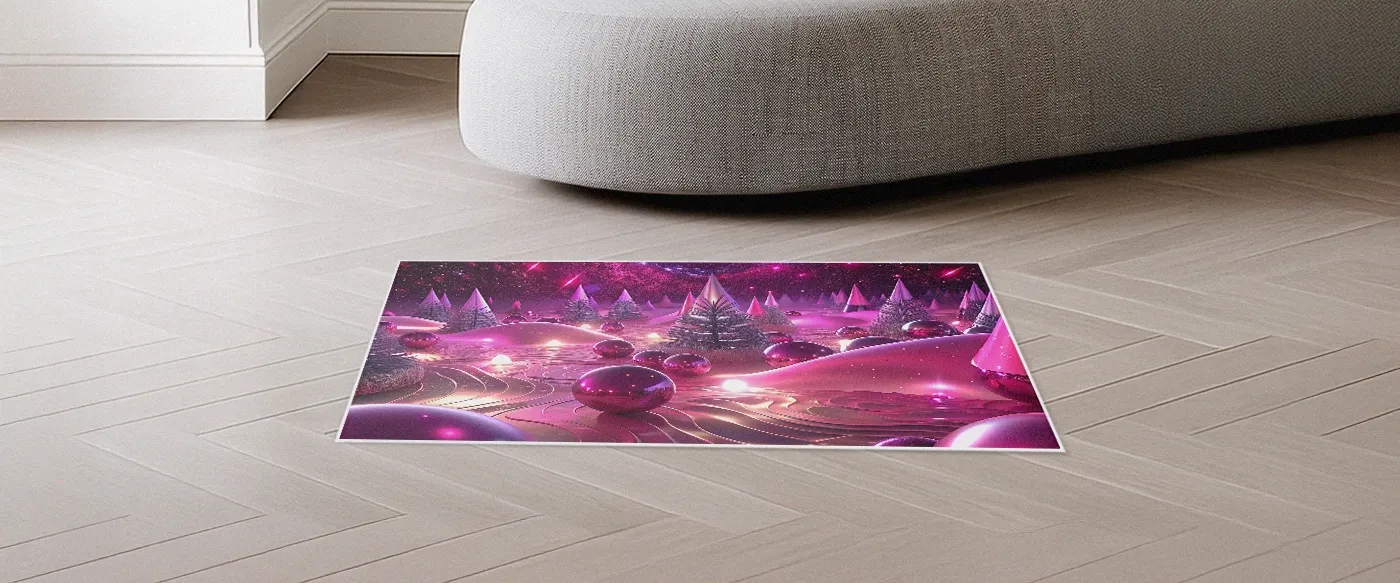
- Wall decoration catalog for framed canvas, posters, acrylic, metal, and collector products.
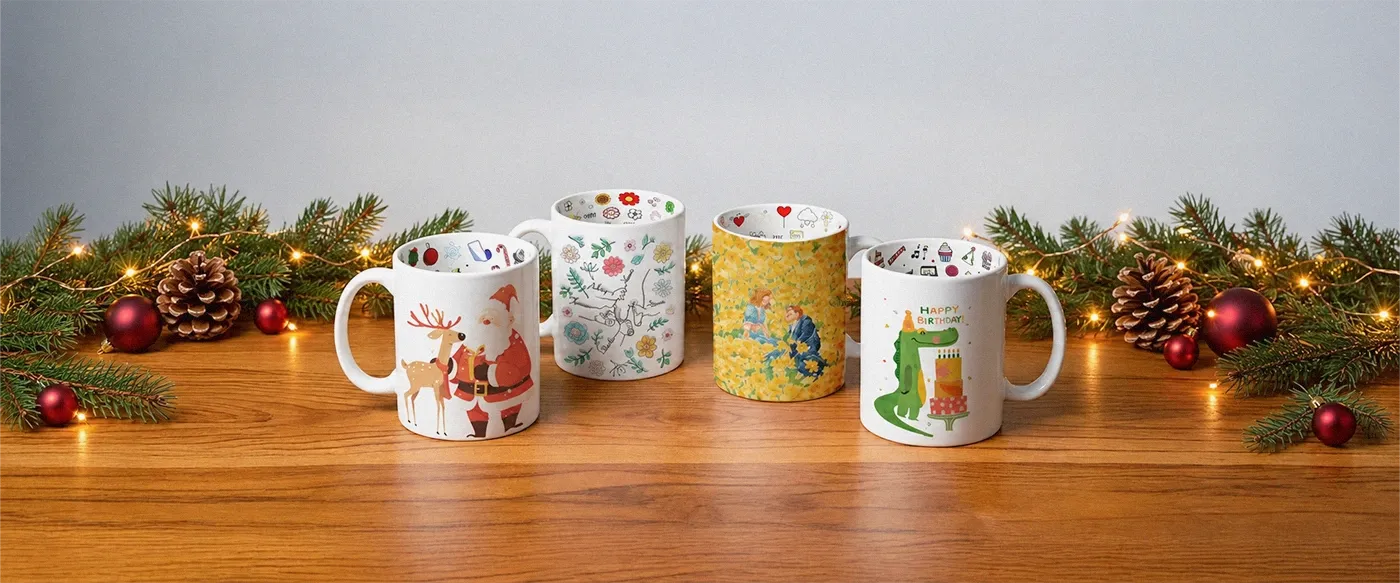
- Print-on-demand mugs for podcasts, creator rituals, office gifts, and fan products.
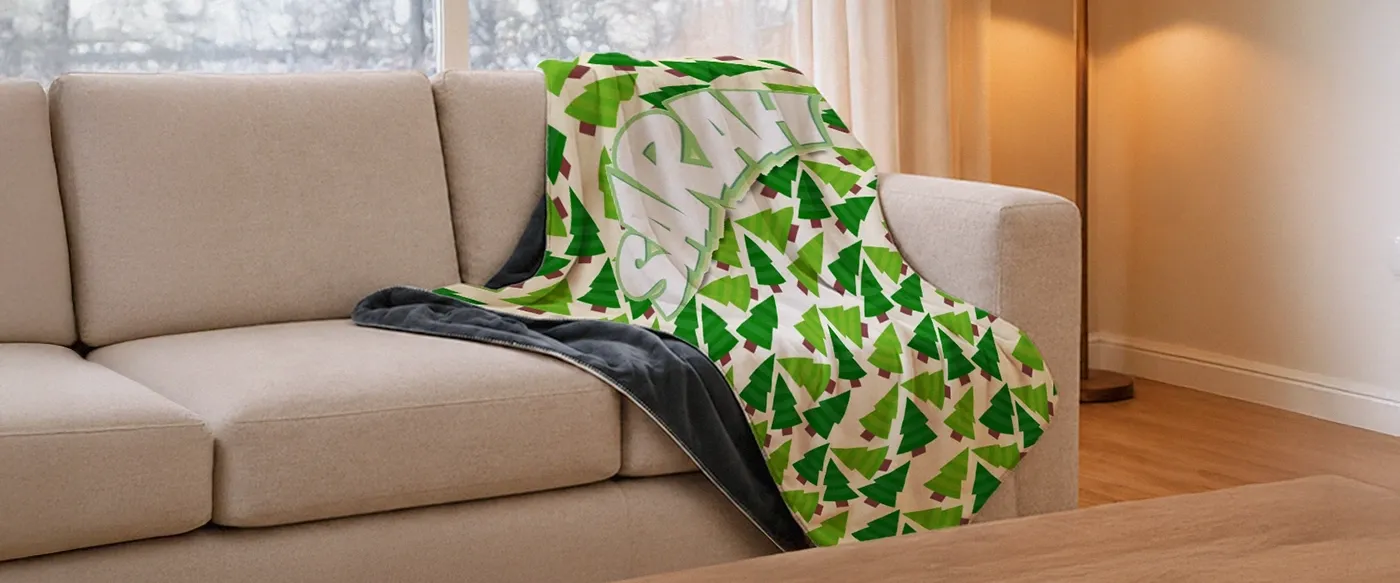
- Home décor accessories for blankets, mousepads, décor, and lifestyle merch.
- merchOne shipping policy for production regions, delivery expectations, and shipping information.
- merchOne Help Center for setup, product, order, billing, taxation, and shipping documentation.
- Products help center for print files, RGB and CMYK questions, product editing, and setup guidance.
- Shipping help center for tracking, delivery partners, parcels, shipping times, and shipping-price questions.
- Orders help center for order creation, samples, cancellations, complaints, and return-policy questions.
- Billing help center for invoices, payment methods, payment issues, and customs-fee questions.
- Taxation help center for tax-related seller documentation.
- API integration for creator teams building custom workflows.
- merchOne privacy policy for privacy and data-processing information.
- merchOne terms of service for platform rights, seller responsibilities, and service terms.
About merchOne
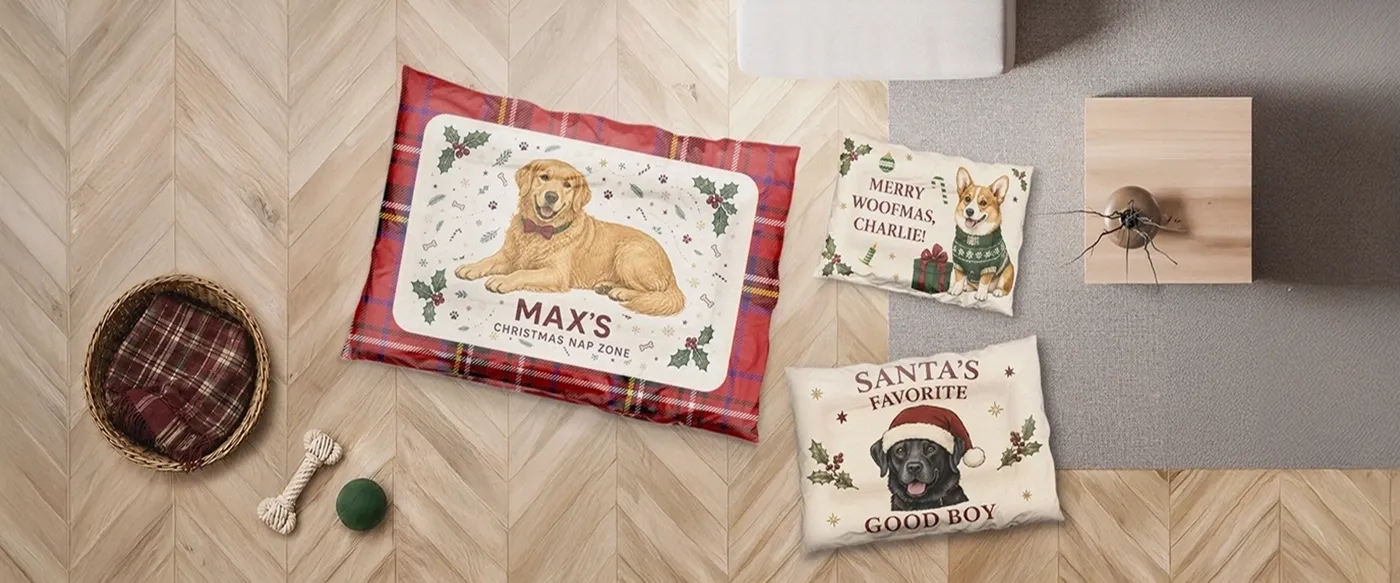
merchOne is a print-on-demand manufacturer built for sellers and creators who need premium quality at scale. As part of The Customization Group, merchOne supports creator catalogs across apparel, framed canvas, posters, blankets, mugs, home décor, wall art, pet products, and personalized gifts.
The production stack supports creator teams that need more than one product type. A Spotify artist may need apparel, album art canvas, and Wrapped products. A podcaster may need mugs and quote prints. A YouTuber may need hoodies, mousepads, and wall art. A photographer may need framed prints, canvas, acrylic, or metal formats.
Integration is available through the Shopify app, REST API, or Order Desk for Amazon, Etsy, eBay, WooCommerce, BigCommerce, TikTok Shop, and 30+ e-commerce platforms. That helps creator teams launch through one storefront and expand into broader channel coverage without rebuilding fulfillment manually.
Sustainability details creators can cite
- Solar-powered production facilities.
- FSC-certified wood sourcing.
- HP Latex water-based ink.
- Recycled plastic frames.
- OEKO-TEX and GOTS certified organic apparel options.
Related Guides on merchOne
- How to Sell Merch on Spotify for Spotify merch shelf and release-timing strategy.
- Podcast Merch Ideas 2026 for mugs, quote prints, inside jokes, and listener rituals.
- YouTuber Merch Store for channel-aesthetic product planning.
- Musician Merch in 2026 for indie artist merch stacks.
- How to Make Merch in 2026 for production models, platforms, and launch planning.
- Print on Demand Calendar 2026 for campaign and seasonal timing.
- Best Personalization Options to Add to merchOne Products for custom text, photos, names, fan stats, and gifts.
Frequently Asked Questions
What is creator merch economics?
Creator merch economics is the financial structure behind creator product sales: product tiers, pricing, average order value, return rates, fulfillment cost, seasonal demand, platform placement, and the share of revenue generated by superfans.
What products should a creator merch store start with?
A practical starter catalog includes one basic apparel item, one premium apparel item, one mug or home good, one wall décor item, and one seasonal or personalized item. This gives fans multiple buying paths without creating an oversized catalog.
Is apparel or wall art better for creator merch?
Apparel is usually better for public identity and fan visibility. Wall art is often better for collector behavior, home display, and higher perceived value. The strongest creator stores often use both.
Why do personalized products work for creators?
Personalized products turn a fan relationship into a one-of-one item. Examples include Top Listener prints, fan-name products, custom stats, signed-style artwork, and personalized canvas. These products are harder to compare on price because they feel specific to the buyer.
When should creators launch merch?
Merch should be ready before the content moment goes live: release week, viral episode, video launch, stream event, exhibition, tour announcement, or holiday window. Waiting until after attention peaks usually reduces conversion.
How many products should a creator store have?
Small and mid-size creator stores should usually start with five focused SKUs and expand only after seeing sales data. Ten SKUs is often enough before the store has clear winners, because too many products can dilute traffic and complicate operations.
Build Creator Merch with merchOne
Creator merch works best when every product has a commercial role. Start with a tight five-tier catalog, launch before the content moment peaks, and use product formats that match fan intent.
With merchOne, creators can connect through the Shopify app, REST API, or Order Desk for multi-channel POD order routing, route orders from 30+ ecommerce platforms, and build white-label catalogs across apparel, mugs, wall art, framed canvas, posters, blankets, home décor, pet products, and personalized gifts.
Before launching, review merchOne’s pricing and platform overview, shipping policy, Help Center, privacy policy, and terms of service.