Horizontal purple gradient banner transitioning from blue-purple to pink-purple, used as a background Horizontal purple gradient banner transitioning from blue-purple to pink-purple, used as a background
Local Production Sites in the USA & EU!
No customs fees and delays - just fast and effective fulfilment to scale!


More than 500,000 premium products manufactured daily for commercial and private customers.

Explore
FEATURE
Back to All Posts
eCommerce Tips & Strategies

How to Sell Classroom Decor with Print on Demand: The Niche Most Sellers Are Missing

Every August, millions of teachers walk into empty classrooms and start building the space where they’ll spend the next ten months. They pin up rules posters, arrange reading corners, tape motivational quotes above the whiteboard. And most of them pay for it out of their own pockets.

That’s not a guess. The National Education Association puts the number at $479 per year in personal spending on classroom supplies — and wall decor is a consistent line item. For print-on-demand sellers, this is one of those niches that’s hiding in plain sight: high demand, teachers who actively search for products, and very few POD stores actually serving them well.

This guide breaks down which products work, what designs teachers actually buy, how to reach them, and how to price classroom decor so the margins make sense for your store.

How to Sell Classroom Decor with Print on Demand: The Niche Most Sellers Are Missing • merchOne

Key Takeaways

  • Teachers spend $479 per year of their own money on classroom supplies (NEA 2024), and wall decor is a budget line item from August through May — not just back-to-school.
  • Adhesive posters solve a real pain point: damage-free mounting for shared, rented, or no-tack classrooms. They carry a premium price position and repeat-purchase potential.
  • Classroom door decorations are one of the easiest entry points for new sellers — low price, high visual impact, seasonal rotation built in.
  • Pinterest is how teachers discover classroom decor. 87% of teachers use Pinterest for classroom planning (WeAreTeachers, 2024). If you’re not pinning your products, you’re invisible to your best customers.
  • Bundles outperform singles: a coordinated wall kit at $50-70 increases average order value by 60-80% over individual product sales.
  • The classroom decor niche isn’t limited to August. Teacher Appreciation Week (May), mid-year refreshes (January), and new-teacher setups create year-round demand.

Why Classroom Decor Works for POD Sellers

Here’s what makes this niche worth your time.

Teachers aren’t browsing casually. They’re searching with intent — “classroom decor ideas,” “classroom door decorations,” “classroom wall art” — and they’re ready to buy when they find something that fits their classroom vision. That buying intent translates directly into conversions for sellers who show up with the right products.

The spending isn’t one-and-done either. A teacher setting up a new classroom in August will buy 4-8 wall pieces. Then they come back in January for a mid-year refresh. In May, parents and students shop for Teacher Appreciation Week gifts. A single customer relationship can generate three to four orders across a school year — which is unusual for POD, where most niches are one-purchase-and-gone.

And here’s the part that matters most for your margins: teachers choose custom over mass-produced. They want decor that matches their classroom theme, their subject, their personality. A biology teacher wants a periodic table poster in sage green and cream that coordinates with her reading corner. A kindergarten teacher wants alphabet charts in the exact colors she’s chosen for the year. That level of specificity is exactly what print-on-demand does well — and what big-box retailers can’t offer.

The Psychology Behind Teacher Classroom Decor Purchases

Classroom decor is not just decoration. For teachers, it is a way to create emotional safety, structure, identity, and authority before a lesson even begins. A teacher is not only buying a poster because the wall looks empty. They are buying a signal: this room is organized, welcoming, intentional, and ready for learning.

That is why the strongest classroom decor products usually connect to one of three deeper needs.

The first need is classroom control. Rules posters, visual schedules, labels, behavior charts, and subject reference prints help teachers reduce repeated explanations. A well-designed classroom wall can quietly answer student questions all day: where things belong, what the routine is, what the class values, and what students should do next. For sellers, this means functional wall art often converts better than purely decorative wall art.

The second need is teacher identity. Many teachers see their classroom as an extension of their teaching style. A minimalist high school English teacher, a colorful kindergarten teacher, and a nature-themed science teacher are not looking for the same product. They want decor that makes the room feel like theirs. This is where personalization matters: name, grade level, subject, school year, classroom theme, and color palette all make the product feel less generic.

The third need is student belonging. Teachers buy decor that helps students feel seen. Class photo walls, birthday displays, growth tracking charts, student work showcases, and welcome posters are powerful because they turn a classroom into a shared space. Products like MIXPIX, adhesive posters, measuring bars, and door displays work well because they let teachers build rituals around the room, not just decorate it.

For POD sellers, this changes the product strategy. Instead of asking, “What looks cute for a classroom?” ask, “What job does this product help the teacher do?” The best listings should make the functional and emotional benefit obvious: easier routines, stronger classroom identity, better student engagement, and a more cohesive room setup.

Turning Teacher Psychology Into Selling Strategy

Once you understand why teachers buy, your store can move beyond random classroom designs and build collections around real purchase motivations.

Sell by classroom outcome, not only by product type. A teacher may not start by searching for “adhesive poster.” They may search for “calm classroom decor,” “reading corner ideas,” “first day of school door decoration,” or “science classroom setup.” Your product title and description should connect the product to the outcome teachers want: a calmer room, a more organized wall, a better welcome moment, or a cohesive subject-themed space.

Build theme-based collections. Teachers often buy visually coordinated products because a matching room saves them time and decision fatigue. A “sage green classroom decor kit,” “boho reading corner set,” or “science classroom wall bundle” feels easier to buy than five separate products. This is especially important for new teachers who are overwhelmed and want a complete starting point.

Use personalization as the value lever. The more specific the classroom context, the more defensible your price becomes. Add personalization options such as teacher name, grade, subject, classroom slogan, school year, color palette, or student group name. A generic poster competes with Amazon. A personalized classroom rules poster for “Mrs. Carter’s 3rd Grade” competes on relevance.

Create products for repeat moments. Teachers refresh their rooms around predictable emotional moments: back to school, first day photos, fall door displays, winter bulletin boards, January resets, testing season motivation, Teacher Appreciation Week, and end-of-year memories. Sellers should design for these moments instead of treating classroom decor as a single August campaign.

Write listings that reduce hesitation. Teachers are often spending their own money, so they need to feel confident. Mention damage-free mounting, classroom-safe use cases, easy theme matching, year-long display value, and bundle savings. The more practical reassurance you provide, the easier it is for a teacher to justify the purchase.

Which merchOne Products to Sell for Classroom Decor

Not every product in the catalog belongs in a classroom collection. Here’s what works, organized by how teachers actually shop — walls first, then desk and floor, then gifts.

Wall Products

Adhesive Poster is your volume driver. Teachers in shared classrooms, portable buildings, or schools with no-tack policies need wall decor that goes up and comes down without leaving marks. That’s a bigger group than you might think — and adhesive posters solve it cleanly. Classroom rules displays, subject reference charts, motivational typography, alphabet and number charts — all of these translate to adhesive poster format. Teachers buy multiples, and they replace them each year.

MIXPIX opens up a category most POD sellers haven’t touched: photo-based classroom displays. Teachers use these for student work showcases, class photo walls, and memory boards that evolve throughout the year. The repositionable tiles work on any wall surface, which makes them practical for the same damage-free environments where adhesive posters thrive.

Canvas Wall Hanging serves the premium segment. Think signature classroom art pieces that a teacher keeps for years — a beautifully typeset literary quote for an English classroom, a detailed periodic table for science, a world map for social studies. The texture and weight of canvas signal quality in a way that justifies a $30-50 retail price. These are the anchor pieces that tie a classroom together.

Kid Measuring Bar is a seasonal hero, especially for elementary classrooms and preschools. Growth tracking walls are a beloved classroom tradition. A beautifully designed measuring bar with the school year, grade level, and playful illustrations gives teachers something they’ll use all year and parents will photograph on the first and last day.

Desk and Floor Products

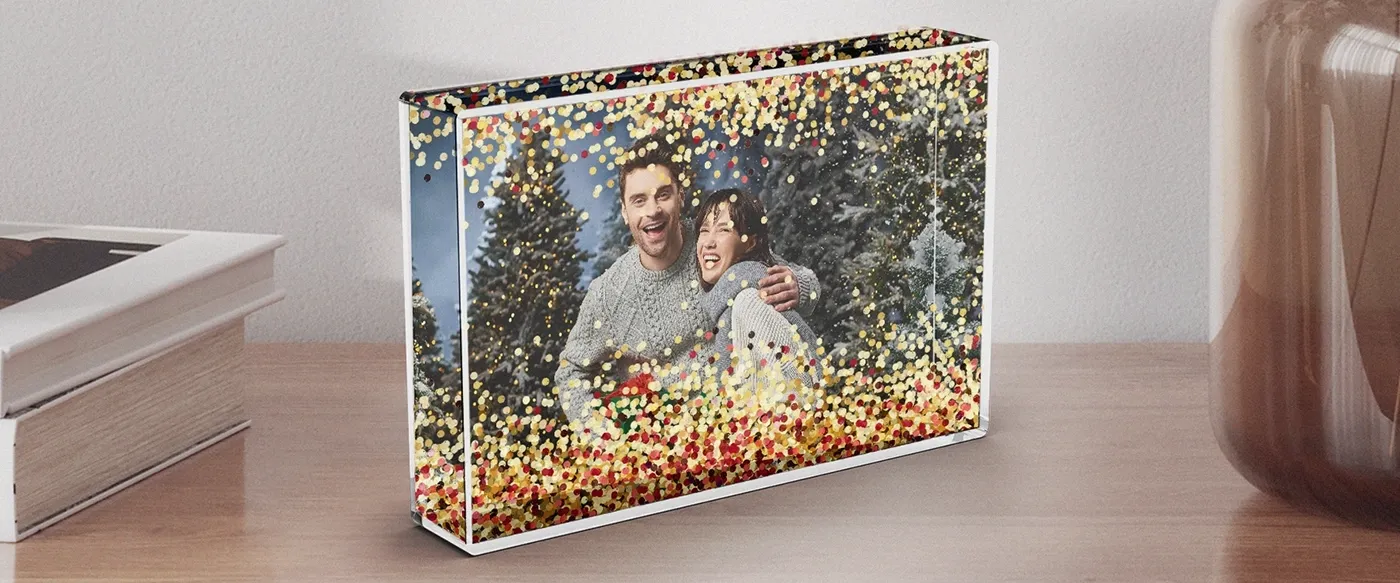
Table Top Print personalizes the teacher’s workspace. A small freestanding print with a classroom motto, an inspirational message, or a photo from last year’s class adds warmth to the desk teachers sit at for hours. It’s also one of the most giftable products in the catalog — keep that in mind for Teacher Appreciation bundles.

Rug might seem like a stretch for POD, but classroom reading corners are a real design category. Teachers actively search for rugs that match their classroom theme, and a custom-printed rug with an alphabet border, a world map, or a simple pattern in coordinating colors fills a gap that generic retailers serve poorly.

Notebook is the daily-use anchor. Lesson planners, meeting notebooks, subject logs — teachers go through these constantly. A notebook with a cover design that matches the classroom wall decor creates a cohesive branded experience, and it’s the kind of detail teacher-buyers notice and appreciate.

Mouse Pad and Travel Mug round out the desk setup. Subject-themed mouse pads and “teacher fuel” travel mugs are affordable products that cross-sell naturally with wall decor orders.

Tote Bag and Weekender Tote Bag serve a different moment — the commute, the supply run, the weekend. Teachers carry a lot. A tote with a subject pun or school name gets daily use and doubles as identity expression.

Apparel

Unisex T-Shirt (Bella + Canvas 3001) covers teacher squad shirts, staff matching outfits, and first-day-of-school style. One or two teacher-themed designs in your classroom collection add a cross-sell path for group orders — think “Team [Subject]” or the classic “Teach Love Inspire.”

What Classroom Decor Designs Actually Sell

This is where most sellers go wrong. They create generic “teacher” designs and wonder why they don’t convert. The reality is that a kindergarten teacher and a high school biology teacher have completely different taste — and if you lump them together, neither one feels like the product was made for them.

Elementary (K-5): Go colorful. High-contrast designs with playful, rounded typography. Alphabet posters with illustrated objects, number charts, classroom rules with simple icons, reading corner displays with book characters. Bright primary colors and soft sans-serif fonts signal “this was designed for my classroom” to elementary buyers. MIXPIX photo tiles work especially well here — teachers love showcasing student work in a way that changes throughout the year.

Middle School (6-8): The aesthetic shifts. Growth mindset messaging replaces cutesy — “Mistakes Are Proof That You Are Trying” in clean typography, subject vocabulary walls, and motivational phrases that don’t feel childish. Muted palettes (sage, dusty blue, warm neutrals) replace primary colors. Subject puns still sell, but the design treatment is more minimal.

High School (9-12): Minimalism wins. Literary quotes, scientific formulas rendered as wall art, clean sans-serif text on neutral backgrounds. Sage green, dusty blue, terracotta, navy and cream. Think more “design studio” and less “classroom.” Teachers at this level want their room to feel professional, not decorated.

Classroom door decorations deserve your attention specifically. Teachers change door displays seasonally — back-to-school welcome, holiday themes, end-of-year celebrations. That’s built-in repeat purchasing from the same customer. Create welcome-back door posters sized for standard classroom doors, themed by subject or grade. Low price, high visual impact, and a natural entry product for teachers browsing your store for the first time.

One universal rule across all grade levels: skip the clip art. It’s the fastest way to look amateur. Clean vector illustrations, modern typography, and intentional color palettes are what teachers are drawn to. They see enough clip art in free worksheet downloads — they’re willing to pay for something that looks like it belongs on a design blog.

How to Reach Teacher Buyers

Teachers don’t shop the way most consumers do. They plan, they save, they share with colleagues. Your marketing strategy needs to meet them where they actually spend time.

Pinterest is your primary channel — full stop. It’s not a social media platform for teachers; it’s a planning tool. They create boards months before school starts — “2026 Classroom Setup,” “Reading Corner Ideas,” “Blue and Green Classroom Theme.” Your product pins need to show up in those searches. Create a business account, pin every product with descriptive keyword-rich titles, and organize boards by grade level, subject, and style. Rich pins that pull product data directly from your Shopify listing convert better than standard image pins.

Teacher Facebook groups are where word-of-mouth happens. Groups with 50,000 to 200,000 members — like “Kindergarten Teachers” or “High School English Teachers” — are communities where teachers actively share classroom setup photos, ask for product recommendations, and tag the stores they bought from. If your product ends up in a group photo, that’s organic marketing you can’t buy. Many groups allow tasteful product sharing; check the rules, contribute genuinely, and let the product speak for itself.

Instagram works for visual discovery. Hashtags like #teachersofinstagram, #classroomdecor, and #classroomsetup connect you to an engaged audience. Post styled photos of your products in classroom settings — not flat product shots. Teachers want to envision the product on their wall.

Etsy and Shopify SEO captures buyers who already know what they want. Use “classroom decor,” “classroom poster,” and “teacher wall art” in product titles and descriptions. Write descriptions that speak to teachers specifically — mention classroom use cases, wall-safe mounting, durability for year-long display. The more your listing sounds like it was written for a teacher, the more likely a teacher is to click “add to cart.”

Timing matters more than you think. Teachers start browsing in June, peak buying happens in July, and by mid-August the window narrows fast. But — and this is the part most sellers miss — the season doesn’t end in August. Teacher Appreciation Week in May is a gift-driven purchasing moment. January brings mid-year room refreshes. And new teachers setting up classrooms mid-year create demand that has nothing to do with the calendar. Sellers who treat this as a year-round niche with seasonal spikes outperform those who list products in August and forget about them.

Pricing and Margin Strategy

Teachers are spending their own money, which makes them price-aware — but not price-only. They will pay more for something customized, cohesive, and well-designed. Your job is to make the value obvious.

Individual product pricing:

  • Adhesive Posters: $15-25 depending on size, with the damage-free benefit justifying the upper range
  • Canvas Wall Hangings: $30-50, reflecting the premium material and durability
  • MIXPIX tiles: $8-15 per tile, or $30-50 for a set of 4-6
  • Table Top Prints: $12-20
  • Mouse Pads: $12-18
  • Kid Measuring Bars: $20-30

Bundles change the math. A “Classroom Wall Kit” with 2-3 adhesive posters plus a canvas wall hanging at $50-70 delivers 60-80% higher average order value than individual sales. Subject-specific bundles — a “Science Classroom Pack” or “Reading Corner Set” — give teachers a complete solution in one purchase instead of piecing together items from five different stores. That convenience is worth a 10-15% bundle premium, and teachers know it.

The real competitive advantage isn’t price. It’s specificity. A teacher searching for “4th grade classroom decor sage green theme” will pay more for products designed exactly for that vision than they’ll pay for generic motivational posters on Amazon. That’s the lane print-on-demand was built for — serving specific taste at scale.

How to Get Started

You don’t need fifty products to launch a classroom decor line. Start focused, learn what sells, then expand.

Week 1: Build your core collection. Pick one school level (elementary is the highest volume) and create 8-10 designs — 3-4 adhesive posters (rules, motivational, subject reference), 1-2 MIXPIX display layouts, 1 canvas wall hanging as your premium anchor, and 2-3 desk products (table top print, mouse pad, notebook). Connect your Shopify store through merchOne’s native integration, or use the API or Order Desk for multi-channel routing.

Week 2: List and optimize. Put “classroom decor,” “classroom wall art,” and “[subject] classroom poster” in your product titles. Write descriptions that speak directly to teachers — mention wall-safe mounting, year-long durability, and classroom theming. Add 2-3 styled mockup images per listing. If you’re on Etsy, use all 13 tag slots with classroom-specific keywords.

Week 3: Start pinning. Create Pinterest boards organized by grade level and subject. Pin every product with a descriptive title and a link back to your store. Post at least 2-3 pins per day for the first month — Pinterest rewards consistency.

Week 4: Bundle and expand. Build your first bundle — a “Classroom Starter Kit” with 2-3 wall products and a desk accessory. Add a second school level to your collection. Start sharing in one or two teacher Facebook groups.

From there, it’s iteration. Watch what sells, talk to the teachers who buy from you, and let their feedback guide your next designs. The best classroom decor sellers aren’t the ones with the biggest catalogs — they’re the ones who understand what teachers actually need in their rooms.

How merchOne Supports Your Classroom Decor Store

The logistics side matters as much as the design side. If a poster arrives curled, damaged, or late, you lose the customer and the review — and in teacher communities, word travels fast.

merchOne produces in the EU (Latvia) and the US, which means shorter transit times and the ability to serve both markets. HP Latex inks resist fading under fluorescent classroom lighting — relevant when your product needs to look good on a wall for ten months straight. Canvas wall hangings use FSC-certified wooden frames sourced from Latvian suppliers, which matters for school purchasing departments that increasingly require sustainability credentials.

Everything ships white-label. Your customer sees your brand, not merchOne’s. The Shopify integration syncs products, forwards orders, and updates tracking automatically. If you sell on multiple channels — Etsy, Amazon, your own site — the API and Order Desk routing handle the complexity.

merchOne Products for Classroom Decor

ProductClassroom Use CaseRole in Your Store
Adhesive PosterClassroom rules, motivational prints, subject charts, door displaysVolume driver — damage-free, repeat purchase
MIXPIXStudent work display, class photo wall, memory boardEvolving display — changes throughout the year
Canvas Wall HangingPremium classroom art, subject anchor piece, teacher officePremium upsell — gift-worthy
Window BlindsLight control, themed window decor, projector-ready roomsUnique differentiator — functional + decorative
Kid Measuring BarGrowth tracking, classroom milestone wall, reading cornerSeasonal hero — especially K-2
Table Top PrintTeacher desk inspiration, classroom motto, gift add-onAffordable gift — high cross-sell
RugReading corner, classroom floor decor, themed areaRoom comfort — niche but strong
NotebookLesson planner, class notes, meeting notebookDaily-use repeat purchase
Travel MugTeacher fuel, commute companion, staff roomDaily-use cross-sell
Mouse PadTeacher desk, subject-themed workspaceAffordable desk accessory
Tote BagMaterials carrier, teacher identity, commute bagCross-sell — practical gift
Weekender Tote BagWeekend carry, school event bagPremium tote upsell
Unisex T-ShirtTeacher squad, staff shirt, first day outfitIdentity product — group order potential

Frequently Asked Questions

What classroom decor products sell best through print on demand?

Adhesive posters are the highest-volume classroom decor product for POD sellers — they cover classroom rules, motivational quotes, subject charts, and door displays while solving the damage-free mounting problem teachers deal with constantly. Canvas wall hangings serve the premium end at $30-50 retail. MIXPIX photo tiles are an emerging category for interactive classroom displays. Sellers who offer wall products, desk products, and at least one bundle capture the widest range of teacher spending.

When should I launch classroom decor listings for back-to-school?

Get your products live by late May or early June. Teachers start planning classroom setups well before the school year begins, and peak purchasing happens in July through early August. If you’re launching in September, you’ve missed the main window. That said, the niche isn’t purely seasonal — Teacher Appreciation Week (May), mid-year refreshes (January), and mid-year new-teacher setups create buying moments throughout the year.

How do I find teachers who buy classroom decor online?

Pinterest is where teachers plan their classrooms. Create a business account, pin every product with keyword-rich titles, and build boards organized by grade level and subject. Teacher Facebook groups with tens of thousands of members are where product recommendations spread organically. Instagram hashtags like #teachersofinstagram and #classroomdecor connect you to active teacher audiences. On Etsy and Shopify, classroom-specific keywords in your titles and descriptions capture teachers who are already searching with purchase intent.

What designs work best for classroom wall art?

It depends entirely on grade level — and that’s the key insight. Elementary teachers want colorful, playful designs with rounded fonts and bright illustrations. Middle school shifts to growth mindset messaging with cleaner layouts and muted palettes. High school teachers prefer minimalist typography on neutral backgrounds — think literary quotes and scientific formulas as art. The universal rule: avoid clip art. Teachers are willing to pay for designs that look professional and intentional.

Can I sell classroom decor year-round or only during back-to-school?

Year-round, and that’s what makes this niche especially attractive for POD sellers. The back-to-school window (June-August) is the biggest spike, but Teacher Appreciation Week in May drives gift-oriented purchases. January brings mid-year refreshes. New teachers setting up classrooms at any point in the year need the full wall-to-desk setup. According to NEA data, teachers distribute their $479 annual classroom spending across the full school year — sellers who stay visible beyond August capture spending that seasonal-only stores leave on the table.

Start Building Your Classroom Decor Collection

The opportunity here is straightforward: teachers need classroom decor, they search for it actively, and they prefer custom products that match their specific classroom vision. That preference for specificity is exactly what print-on-demand does best.

Start small — a focused collection for one school level, listed with the right keywords, pinned consistently on Pinterest, and bundled to increase your average order value. Let the early sales tell you which designs resonate, which price points work, and which products your customers want next.

Visit the merchOne wall decoration catalog and home decor accessories to explore the full range of classroom-ready products and connect your store.


author avatar
Ngan Le SEO Specialist
SEO Specialist in the ecommerce and fulfillment industry, focused on driving organic growth and optimizing marketing campaigns to maximize sustainable sales performance. Passionate about data-driven strategies, search optimization, and conversion improvement to help brands scale effectively.